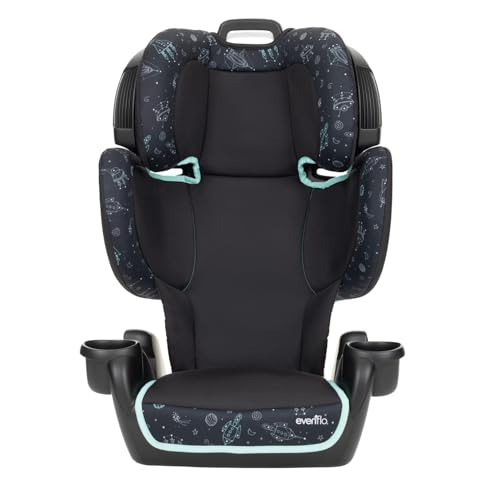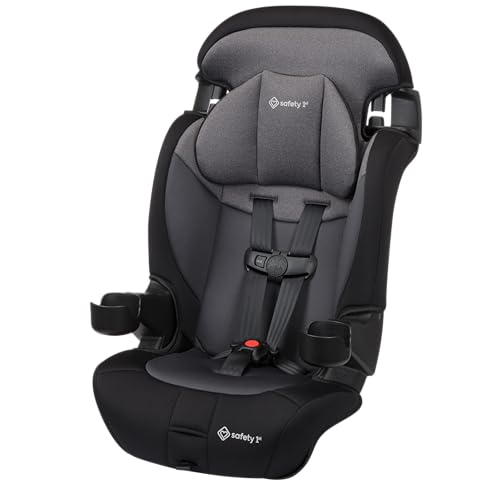
Highback Booster Car Seat Guide
Safety, comfort, and the perfect fit for your growing child. Everything you need to know before you buy.
VIEW TOP PICKSWhy a highback booster? As your child outgrows their forward-facing car seat, a highback booster provides essential head and side-impact protection while ensuring the vehicle's seat belt fits correctly. This guide covers safety standards, fit tips, and our top recommendations to help you choose with confidence.
What Is a Highback Booster Car Seat?
A highback booster seat is designed for children who have outgrown their forward-facing car seat but are not yet tall enough for a backless booster or the vehicle's seat belt alone. It elevates your child so the lap and shoulder belt sit correctly across the strongest parts of their body—the hips and chest—while providing head and neck support in the event of a side impact.
Unlike backless boosters, highback models offer adjustable headrests, side wings, and sometimes even extra padding, making them a safer and more comfortable choice for vehicles without high seat backs or integrated head restraints. They are ideal for children who still nap in the car, as the side wings provide a resting place for their head.
When shopping for a highback booster car seat, consider your child's weight, height, and the specifics of your vehicle. Many models convert to a backless booster for extended use, giving you years of value.
When to Transition to a Highback Booster
Most children transition to a booster seat between the ages of 4 and 7, but it's crucial to check the specific height and weight limits of your current car seat. Typically, your child should be at least 40 pounds and 38 to 40 inches tall. However, the most important factor is the 5-step test: the lap belt should lie flat across the thighs (not the stomach), the shoulder belt should cross the center of the shoulder (not the neck), and your child should be able to sit with their back flat against the seat for the entire ride.
Using a rear-facing car seat for as long as possible is the safest practice, followed by a forward-facing seat with a harness. Once your child exceeds the forward-facing seat's limits, a highback booster is the next logical step. Remember, children under 8 years old are often required by law to ride in a booster seat, but age is less important than size and maturity.
If you're also considering other options, take a look at our convertible car seat guide for younger children, or our infant car seat resources for new parents. For older kids, a booster seat (backless) might be suitable when they reach the maximum height of their highback booster.
Key Safety Features to Look For
Side-Impact Protection
Energy-absorbing foam and deep side wings protect the head and torso in a side collision.
Adjustable Headrest
Ensures the shoulder belt is properly positioned as your child grows.
Belt-Positioning Guides
Keep the lap and shoulder belts in the correct position for maximum effectiveness.
Rigid LATCH Connections
Provide a more secure, rattle-free installation compared to standard seat belts.
Additional features like a removable back, washable covers, and cup holders can add convenience, but never compromise on core safety. Always check for compliance with Federal Motor Vehicle Safety Standard 213 (FMVSS 213).
For more on general car seat safety, read our car seat overview. If you're looking for accessories, consider our guide on noise-cancelling headphones for sensitive ears or sleep bags for nap time on the go.
How to Get the Perfect Fit
A highback booster only works if it fits your child and vehicle correctly. Before purchasing, measure your vehicle's seat depth and headrest height. The booster should sit flat on the seat, with no gaps. When your child is seated, the shoulder belt should cross the center of their collarbone, and the lap belt should sit low across their hips, not the stomach.
Most highback boosters use the vehicle's seat belt to secure the child, but some also use LATCH to anchor the booster itself. While LATCH keeps the booster from becoming a projectile in a crash, it does not restrain the child—only the seat belt does that. Always follow the manufacturer's instructions for installation.
If you're also setting up a nursery, you might find our nursery decor tips helpful, or our buying guides for a broader perspective on baby gear.
Highback Booster vs. Backless Booster
| Feature | Highback Booster | Backless Booster |
|---|---|---|
| Head & Neck Support | Yes | No |
| Side-Impact Protection | Yes | No |
| Belt Positioning | Excellent (adjustable) | Good (fixed guides) |
| Ideal For | Vehicles without high seat backs, napping children | Older, taller children, vehicles with high seat backs |
| Weight Range | Typically 30-120 lbs | Typically 40-120 lbs |
A highback booster offers more protection and comfort, especially for longer trips. Once your child outgrows the highback (usually around 57 inches), a backless booster is a good option. You can also check our belt-positioning booster seat guide for more details.
Maintenance and Lifespan
Like all car seats, highback boosters have an expiration date—typically 6 to 10 years from the date of manufacture. Always check the label on the seat. Over time, plastic can degrade and safety standards evolve. Regularly clean the seat according to the manufacturer's instructions, and never use aftermarket accessories not approved by the brand.
Inspect the booster for any cracks, missing parts, or frayed straps. If the seat has been in a moderate or severe crash, it should be replaced.
For related topics, see our advice on storing toys in the car or our baby gear section for more travel essentials.
Our Top Highback Booster Recommendations
We've selected a range of high-quality highback booster car seats that excel in safety, comfort, and ease of use. Below you'll find our curated list from Amazon, featuring models that have received high praise from experts and parents alike.
When choosing, consider your budget, vehicle size, and whether you need features like a removable back for easy transfer between cars. All the products listed meet or exceed US safety standards.
For new parents, our baby registry guide can help you plan, and our parenting & development resources offer support for every stage.