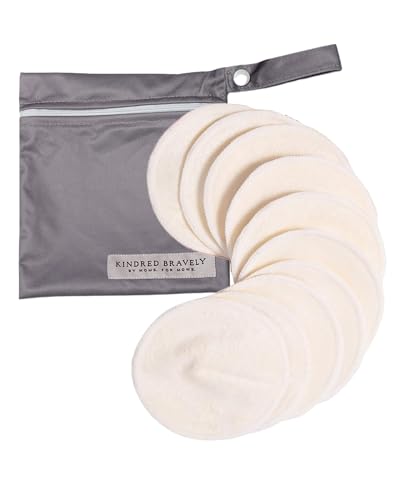
Nursing Pads: Your Complete Guide to Comfort & Leak Protection
Discover the best disposable, washable, and silicone nursing pads. Learn how to choose the right breast pads for your breastfeeding journey, avoid leaks, and stay comfortable.
Breastfeeding is a beautiful and natural experience, but it often comes with the challenge of unexpected milk leaks. Nursing pads (also called breast pads) are an essential part of every nursing mother's wardrobe, providing comfort, confidence, and protection for your clothes. Whether you are a first-time mom or a seasoned pro, finding the right nursing pads can make a significant difference in your daily comfort.
This guide will walk you through everything you need to know about nursing pads, including the different types available, key features to consider, and tips for choosing the best option for your lifestyle. We also address common questions to help you feel prepared and confident.
Types of Nursing Pads: Which is Right for You?
Nursing pads generally fall into three main categories: disposable, washable (reusable), and silicone. Each type has its own set of advantages, and the best choice depends on your personal needs, budget, and lifestyle.
🔄 Disposable Nursing Pads
Pros: Ultra-absorbent, convenient for travel, hygienic (single-use), often have a waterproof backing.
Cons: Can be costly over time, not eco-friendly, may contain synthetic materials.
Best for: Moms on the go, travel, or those who prefer maximum convenience.
🧺 Washable (Reusable) Pads
Pros: Eco-friendly, cost-effective long-term, soft and breathable (often made from bamboo or organic cotton).
Cons: Need regular washing, may not be as absorbent as high-end disposables, can be bulky.
Best for: Daily use at home, eco-conscious moms, and those with sensitive skin.
🧴 Silicone Nursing Pads
Pros: Reusable, easy to clean, gentle on nipples, can help with inverted nipples, discreet.
Cons: Not absorbent (they collect milk), may not be suitable for heavy leaks.
Best for: Moms who want to collect leaking milk, those with sore nipples, or as a supplement to other pads.
Many moms find that a combination works best: using washable pads at home and disposables for outings or travel. Silicone pads are a great addition for milk collection and nipple care.
What to Look For in Nursing Pads
When shopping for nursing pads, keep the following features in mind to ensure you get the best product for your needs.
- Absorbency: The primary function of nursing pads is to absorb leaking breast milk. Look for pads with high absorbency, especially if you have a heavy let-down. Some disposables have a super-absorbent polymer core.
- Breathability: To prevent skin irritation and fungal infections like thrush, choose pads that allow air circulation. Natural fibers like cotton and bamboo are excellent choices.
- Waterproof Backing: This is crucial to prevent leaks from soaking through to your clothing. Most disposable pads and some reusable pads feature a waterproof or moisture-proof layer.
- Shape & Fit: Contoured pads that are shaped to fit the breast are more comfortable and less visible under clothing. Some pads have a gentle curve for a better fit.
- Adhesive Strips: Many disposable pads have adhesive strips on the back to keep them securely in place inside your bra. This prevents shifting and bunching.
- Softness & Comfort: Your nipples can be sensitive during breastfeeding, so soft, non-irritating materials are a must. Look for pads with a soft, silky top layer.
For more general advice on breastfeeding and nursing essentials, check out our guide on breast pumps and other breast milk storage options. These resources will help you build a complete breastfeeding support system.
How to Choose the Best Nursing Pads for You
With so many options on the market, it can be overwhelming to decide. Here is a step-by-step approach to finding the perfect nursing pads for your unique situation.
- Assess Your Leakage: Do you leak heavily or only occasionally? If you have a strong let-down, look for pads with high absorbency, such as those with a super-absorbent core. For lighter leakage, washable pads may suffice.
- Consider Your Lifestyle: If you're often on the go or traveling, disposables are incredibly convenient. For daily home use, reusable pads are a sustainable and cost-effective choice.
- Think About Skin Sensitivity: If you have sensitive skin or are prone to rashes, opt for pads made from organic cotton or bamboo, which are naturally breathable and hypoallergenic. Avoid pads with synthetic materials or added scents.
- Evaluate Cost: Disposable pads add up over time. Reusable pads are a one-time investment that can save you money in the long run, though they require an upfront cost and regular laundering.
If you are preparing your postpartum care kit, you might also find our guide on maternity care and postpartum essentials helpful. These articles cover a wide range of items you'll need after giving birth, including nursing pads.
Tips for Getting the Most Out of Your Nursing Pads
- Change Frequently: To prevent bacterial growth and skin irritation, change your nursing pads whenever they become wet, or at least every few hours.
- Wash Reusable Pads Properly: Always follow the manufacturer's instructions. Use a gentle, fragrance-free detergent and avoid fabric softeners, which can reduce absorbency. Air-drying is recommended to preserve the integrity of the fabric.
- Carry Spares: Always keep a few extra nursing pads in your diaper bag. Leaks can happen unexpectedly, and having a fresh pad handy can save you from discomfort and embarrassment.
- Use Silicone Pads for Collection: Silicone nursing pads are not just for leaks; they can also be used to collect milk from the other breast while you are nursing, preventing waste and building up your freezer stash.
- Combine with Nipple Cream: If you have sore or cracked nipples, apply a lanolin-based nipple cream after nursing and before placing the pad. The pad can help protect the cream and keep it from rubbing off on your clothes.
Nursing pads are just one part of the breastfeeding journey. For more support, explore our articles on nursing pillows and breastfeeding guide for a comprehensive understanding of nursing comfort and technique.
Frequently Asked Questions About Nursing Pads
How often should I change nursing pads?
You should change nursing pads as soon as they feel wet or heavy, which is typically every 2 to 4 hours. Changing them frequently helps prevent skin irritation, yeast infections, and odor. If you have a heavy let-down, you may need to change them more often.
Can I reuse disposable nursing pads?
No, disposable nursing pads are designed for single use only. Reusing them can lead to bacterial growth and compromise their absorbency and shape. Always dispose of them after each use.
Are washable nursing pads as absorbent as disposable ones?
It depends on the brand and material. High-quality washable pads made from bamboo or hemp blends can be very absorbent, often matching or exceeding the performance of standard disposable pads. However, they may not be as absorbent as some high-tech disposables with super-absorbent polymers. It's best to read reviews and choose a reputable brand.
Can I use nursing pads with a breast pump?
Nursing pads are generally not used with breast pumps. Instead, you would use the pump's flanges directly against your breast. However, silicone nursing pads can be used to collect milk from the other breast while you are pumping on one side.
What are the best nursing pads for sore nipples?
For sore nipples, look for ultra-soft, breathable pads made from natural, hypoallergenic materials like organic cotton or bamboo. Silicone nursing pads can also be a great option as they are gentle and can help with nipple sensitivity. Some moms also find that cooling gel pads (which are a type of nursing pad) can provide soothing relief.
If you are preparing for your baby's arrival, you might also be interested in our baby registry checklist and newborn must-haves to ensure you have everything you need for your little one.
Ready to Find Your Perfect Nursing Pads?
Choosing the right nursing pads is a personal decision. By understanding the different types and considering your lifestyle, you can make a choice that will keep you comfortable and confident throughout your breastfeeding journey. The products recommended below are selected based on quality, customer reviews, and value.
Remember, every mother's experience is unique. Don't be afraid to try a few different types until you find the one that works best for you. Your comfort and peace of mind are the most important things.