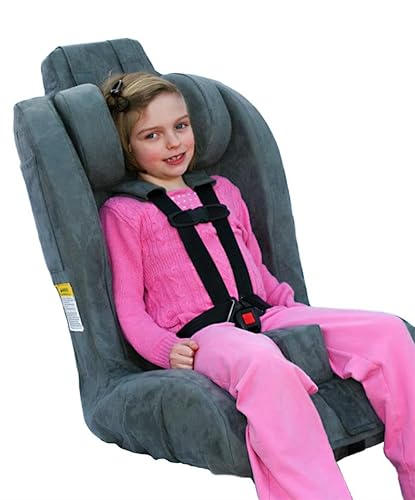
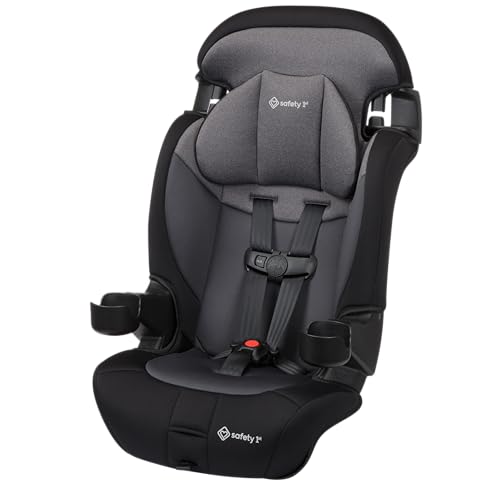
5 Point Harness Car Seat for Special Needs
Choosing the right car seat for a child with special needs requires careful consideration of positioning support, harness adjustability, and safety features. This comprehensive guide helps you understand what to look for and how to make an informed decision.
Why a 5-point harness matters: A five-point harness distributes crash forces across the strongest parts of a child's body — the shoulders, hips, and pelvis. For children with special needs, the right harness system can provide critical postural support while ensuring proper restraint during travel.
Understanding Special Needs Car Seat Requirements
Children with special needs — whether due to physical disabilities, developmental delays, or medical conditions — often require car seats that go beyond standard designs. A 5 point harness car seat for special needs is engineered to accommodate unique body positioning needs while maintaining the highest safety standards.
Standard car seats may not provide adequate support for children with low muscle tone, skeletal differences, or behavioral conditions that affect sitting tolerance. Adaptive car seats address these challenges through:
- Enhanced positioning support — including lateral head supports, chest clips, and padded harness covers
- Adjustable harness configurations — allowing the harness to be tailored to different body shapes and sizes
- Extended weight and height ranges — accommodating larger children who still require harness restraint
- Specialized accessories — such as abductor wedges, positioning vests, and harness pads
For families navigating these decisions, understanding the distinctions between convertible car seat options and specialized adaptive seats is an important first step.
Key Features to Look For in an Adaptive 5-Point Harness Car Seat
When evaluating a 5 point harness car seat for special needs, prioritize features that address both safety and comfort. Here are the essential characteristics to consider:
Positioning Support
Look for seats with removable or adjustable head and body inserts that provide lateral support. Children with low trunk control benefit from deeper side wings and padded shoulder supports.
Harness Adjustability
Multiple harness slot heights and a no-rethread harness make it easier to achieve a secure fit as your child grows. Chest clips should be easy to operate but resistant to accidental release.
Extended Weight Range
Many children with special needs continue to need a harness beyond typical age ranges. Consider seats with higher rear-facing and forward-facing weight limits, such as those found in high-capacity harness seats.
Easy Installation
A seat that is installed correctly is a safe seat. Features like rigid LATCH connectors, color-coded belt paths, and clear level indicators simplify the installation process.
Comfort and Tolerance
Children with sensory sensitivities may need breathable fabrics, smooth harness webbing, and adequate padding. Some seats offer removable covers for easy cleaning.
Compatibility with Medical Accessories
Some adaptive seats are designed to work with positioning vests or other medical devices. Check whether the seat has been tested with such accessories.
Types of 5-Point Harness Car Seats for Special Needs
Not all adaptive car seats are the same. The right choice depends on your child's specific needs, age, and size. Here are the main categories:
| Type | Best For | Key Considerations |
|---|---|---|
| Convertible Adaptive Seats | Children who need extended harness use and can transition from rear-facing to forward-facing | Look for high rear-facing limits and adjustable positioning inserts |
| Combination Harness Seats | Children who have outgrown rear-facing but still need a harness | Ensure the seat has a high forward-facing harness weight limit |
| Specialized Medical Seats | Children with significant positioning needs or those who require a flat lying position | These are often prescribed through medical channels and may be crash-tested differently |
| Booster Seats with Extended Harness | Older children who need harness support beyond typical booster age | Check that the harness system is suitable for the child's weight and height; see harness booster options |
If your child is transitioning between seat types, understanding the differences between a 3-in-1 car seat with detachable base and a dedicated adaptive seat can help you plan for the long term.
Positioning and Comfort: Making the Seat Work for Your Child
Even the most advanced car seat needs proper adjustment to be effective. Here are practical tips for maximizing positioning and comfort:
Harness Fit
- The harness should be snug enough that you cannot pinch slack at the collarbone
- Chest clip should sit at armpit level
- Harness straps should lie flat without twisting
Head and Neck Support
- Use the seat's built-in head support or add a rolled towel or receiving blanket alongside the head if needed
- Avoid aftermarket products that have not been crash-tested with the seat
Trunk Support
- Positioning inserts can help maintain an upright posture
- Some seats offer adjustable recline to accommodate different comfort needs
For children who require additional support, exploring all-in-one car seat options may reveal seats with more comprehensive adjustability.
Safety and Installation Guidelines
Correct installation is non-negotiable. A 5 point harness car seat for special needs must be installed according to the manufacturer's instructions and the vehicle's owner's manual.
Installation Checklist
- Use either the seat belt or LATCH system — not both unless explicitly permitted by the manufacturer
- Ensure the seat moves less than one inch at the belt path when checked at the belt path
- Check the recline angle indicator to confirm the seat is at the correct angle for your child's age and size
- If using a top tether, attach it to an approved tether anchor
When to Seek Professional Help
If you are unsure about installation or your child's positioning, consult a certified Child Passenger Safety Technician (CPST). Many hospitals, fire departments, and community organizations offer free inspections.
Parents exploring seats with rotating features may also want to read about 360 car seat designs, which can make loading and unloading easier for children with mobility challenges.
How to Choose the Right Seat: A Step-by-Step Approach
Selecting a 5 point harness car seat for special needs involves matching your child's requirements with the seat's capabilities. Follow these steps:
- Assess your child's needs — consult with your pediatrician or occupational therapist about positioning requirements and any medical considerations
- Determine the appropriate weight and height range — ensure the seat's limits accommodate your child now and for the foreseeable future
- Evaluate the harness system — look for ease of adjustment and secure fit
- Consider the vehicle — some seats fit certain vehicles better than others; check compatibility before purchasing
- Read independent reviews and crash test data — prioritize seats with transparent safety information
- Try before you commit if possible — some retailers allow returns, but it's best to confirm fit and comfort early
For families who also need a stroller solution, exploring car seat and stroller combo options may be practical, though specialized adaptive seats often require separate strollers.
Frequently Asked Questions
What is the difference between a standard 5-point harness and a special needs harness?
While both use five points of restraint (two at the shoulders, two at the hips, and one at the crotch), special needs harnesses often feature additional padding, adjustable positioning, and compatibility with medical accessories. They may also have higher weight limits and more harness height options.
Can I use a standard 5-point harness car seat for a child with special needs?
In some cases, yes — particularly if the child's needs are mild and the seat provides adequate positioning. However, for children with significant low tone, skeletal differences, or behavioral challenges, a seat specifically designed for adaptive use is often safer and more comfortable.
Are aftermarket positioning products safe to use with a car seat?
Only use products that are specifically approved by the car seat manufacturer. Aftermarket inserts, harness covers, and other accessories can interfere with the harness's performance in a crash. Always check the seat's manual for guidance.
How long can my child use a 5-point harness car seat for special needs?
This depends on the seat's weight and height limits as well as your child's growth and needs. Some adaptive seats accommodate children up to 120 lbs or more in harness mode. Review the manufacturer's specifications and consult with your child's healthcare provider.
Does insurance cover adaptive car seats?
In some regions, adaptive car seats may be partially or fully covered by health insurance or medical assistance programs when prescribed by a healthcare provider. Check with your insurance provider and your child's medical team for guidance.
Ready to Explore Your Options?
Browse our curated selection of adaptive and supportive car seats designed to meet the needs of children with special needs. Each product is chosen for its safety features, positioning support, and ease of use.
View Car Seat OptionsFinal Thoughts
Choosing a 5 point harness car seat for special needs is a decision that balances safety, comfort, and practicality. By understanding your child's specific requirements and carefully evaluating the features of available seats, you can find a solution that keeps your child secure and supported on every journey.
Remember to consult with your child's healthcare team for personalized recommendations, and always prioritize seats that have been crash-tested and meet current safety standards. For more guidance on navigating car seat choices, explore our related articles on all-in-one convertible car seats and 360 convertible car seat designs.