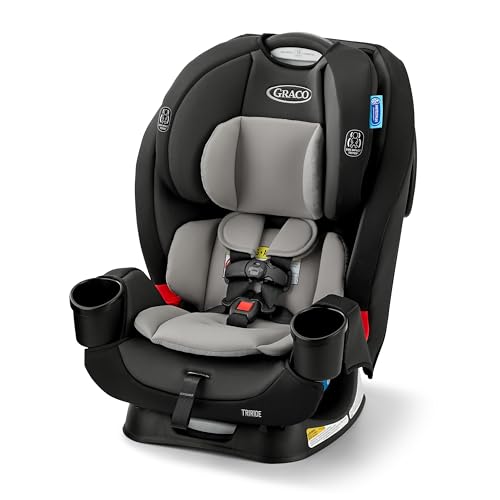
3-in-1 Convertible Car Seat: Complete Buying Guide
One seat, three stages. Learn how a 3-in-1 convertible car seat adapts from rear-facing to forward-facing to booster mode, and discover what to look for before you decide.
START READINGWhy consider a 3-in-1 convertible car seat? Parents researching car seats often want a solution that grows with their child without sacrificing safety. A 3-in-1 convertible car seat is designed to serve from the newborn stage through the booster years, covering rear-facing, forward-facing with a harness, and belt-positioning booster modes in a single unit. This guide explains how these seats work, what features matter most, and how to make a confident choice for your family's needs.
What Is a 3-in-1 Convertible Car Seat?
A 3-in-1 convertible car seat is an all-in-one child restraint that transitions through three distinct configurations. Unlike infant-only seats that are outgrown within the first year, or standalone forward-facing seats, a 3-in-1 model is engineered to accommodate a child's growth from the early months through the school-age years. The three modes are:
| Mode | Orientation | Typical Stage | Key Consideration |
|---|---|---|---|
| Rear-Facing | Facing the rear window | Newborn through toddler years | Extended rear-facing is recommended as long as the seat's height and weight limits allow |
| Forward-Facing Harness | Facing forward with 5-point harness | Preschool through early school age | Use until the child outgrows the harness height or weight limit |
| Belt-Positioning Booster | Facing forward using vehicle belt | School-age until seat belt fits correctly | Ensure the lap and shoulder belt sit properly across the child's body |
Key Features to Compare Before You Choose
Extended Rear-Facing Limits
The best 3-in-1 convertible car seats offer generous rear-facing height and weight limits, allowing you to keep your child rear-facing longer — a practice widely recommended by safety organizations. Compare the maximum rear-facing limits across models to find one that supports extended use.
Harness System Quality
A smooth-adjusting, no-rethread harness makes sizing changes easier as your child grows. Look for seats with clearly marked harness height positions, easy-to-use chest clips, and a sturdy 5-point harness that stays snug without causing discomfort.
Installation Method
Installation is one of the most critical factors in car seat safety. Some models offer a rigid LATCH system or push-on connectors for simpler, more secure installs. Others rely on the vehicle belt. Consider which method matches your vehicle and your comfort level.
Side-Impact Protection
Many 3-in-1 convertible car seats include reinforced side wings, energy-absorbing foam, or adjustable headrests designed to shield the child's head and torso in a side collision. These features are worth prioritizing when comparing models.
Recline and Comfort
Multiple recline positions help accommodate different vehicle seat angles and keep a sleeping child comfortable. A seat with a smooth recline mechanism and breathable fabric can make longer journeys easier for both child and parent.
Booster Mode Readiness
When used as a belt-positioning booster, the seat should guide the lap belt low across the hips and the shoulder belt across the mid-shoulder. Some models include belt-positioning guides that make this transition intuitive and consistent.
Safety Essentials for 3-in-1 Convertible Car Seats
Safety is not just about the seat's construction — it is about how the seat is installed and used every single trip. Keep these principles in mind:
- Read the manual thoroughly. Each 3-in-1 convertible car seat has specific instructions for each mode, including installation paths and harness routing.
- Check installation stability. A properly installed seat should not move more than one inch side-to-side or front-to-back at the belt path.
- Keep the harness snug. You should not be able to pinch excess webbing at the shoulder. The chest clip should sit at armpit level.
- Respect expiration dates. Car seats have a limited service life due to material degradation and evolving safety standards. Check the label on the seat.
- Avoid aftermarket accessories. Bulky coats, unapproved inserts, and non-original covers can interfere with the harness and reduce protection.
- Register your seat. Registration ensures you are notified of any safety recalls or updates from the manufacturer.
Understanding the Tiers: Entry-Level, Mid-Range, and Premium
3-in-1 convertible car seats are available across a wide spectrum of features and construction quality. To help you compare without focusing on numerical figures, here is how the market generally tiers these seats:
Entry-Level Tier
- Best for: Families seeking a straightforward, safety-compliant seat for one child or occasional secondary use
- Typical traits: Basic harness adjustment, standard foam padding, simpler fabric options
- Trade-offs: May have lower rear-facing limits or require more effort during installation and mode changes
Mid-Range Tier
- Best for: Most families who want a balance of comfort, ease of use, and extended usability
- Typical traits: No-rethread harness, multiple recline positions, improved side-impact features, easier LATCH connectors
- Advantages: Smoother day-to-day adjustments and better long-term comfort for growing children
Premium / Top-Tier
- Best for: Families prioritizing maximum comfort, premium materials, and advanced safety engineering
- Typical traits: Reinforced steel frames, high-grade fabrics, advanced side-impact absorption, very generous height and weight limits
- Advantages: A long-term investment with refined usability and durability; often easier to install and adjust
Installation Tips for First-Time Users
Installing a 3-in-1 convertible car seat for the first time can feel intimidating, but a methodical approach makes it manageable:
- Choose the correct mode first. Confirm whether the seat should be rear-facing or forward-facing based on your child's size and the seat's limits.
- Use the correct belt path. Rear-facing and forward-facing installations use different routing paths. Consult the manual and look for color-coded labels on the seat.
- Lock the seat belt or tighten LATCH. Ensure the vehicle belt is locked or the LATCH connectors are fully engaged and tightened.
- Test for movement. Grip the seat at the belt path and check for excessive movement. Adjust as needed.
- Adjust the harness after installation. Set the harness height and tightness with your child in the seat, then practice the routine so it becomes second nature.
Frequently Asked Questions
What is a 3-in-1 convertible car seat?
A 3-in-1 convertible car seat is a single car seat designed to transition through three stages of a child's development: rear-facing, forward-facing with a harness, and belt-positioning booster. This design eliminates the need to purchase multiple seats as your child grows.
When can my child use a 3-in-1 convertible car seat?
Most 3-in-1 convertible car seats are suitable from birth when used in the rear-facing position, provided the child meets the seat's minimum weight and height requirements. The seat then transitions to forward-facing and eventually to booster mode as the child grows.
How long does a 3-in-1 convertible car seat last?
A 3-in-1 convertible car seat can last from birth until the child no longer needs a booster seat, typically around age 8 to 12, depending on the seat's maximum weight and height limits. Always check the specific seat's expiration date.
Are 3-in-1 convertible car seats safe?
Yes, when installed and used correctly. All car seats sold must meet federal safety standards. Proper installation, correct harness tightness, and following the manufacturer's guidelines for each mode are essential for maximum safety.
What is the difference between a 3-in-1 and a 4-in-1 car seat?
A 3-in-1 car seat covers rear-facing, forward-facing harness, and booster modes. A 4-in-1 typically adds a fourth mode, often a backless booster, extending usability further. Both offer long-term value and growth adaptability.
Next Steps: Making Your Decision
Choosing a 3-in-1 convertible car seat is about matching the seat's features to your child's size, your vehicle, and your daily routine. Prioritize extended rear-facing limits, a reliable harness system, and an installation method you feel confident using. Once you have narrowed your options, review the recommended products below and explore related guides on 360 rotating convertible car seats, all-in-one rotating car seats, and airline-approved convertible car seats to make a well-rounded decision.