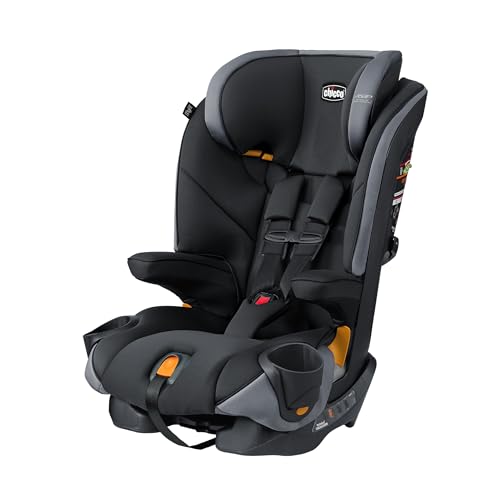
5 Point Harness Booster Seat Up to 100 Lbs: The Complete Guide
Everything parents need to know about choosing a harness booster seat that keeps growing children safe, comfortable, and properly positioned through every stage of the journey.
Start the GuideWhy this guide matters: A 5 point harness booster seat rated up to 100 lbs bridges the gap between a traditional convertible car seat and a backless booster. It keeps the proven five-point harness protection available for longer, which is especially valuable for children who need extra support before transitioning to a vehicle seat belt alone. This guide explains the features that matter, the safety standards to check, and how to pick the right tier for your family.
What Is a 5 Point Harness Booster Seat Up to 100 Lbs?
A 5 point harness booster seat is a forward-facing child restraint that uses five attachment points — two at the shoulders, two at the hips, and one at the crotch — to distribute crash forces across the strongest parts of a child's body. Unlike a backless booster that relies on the vehicle's lap and shoulder belt, a harness booster keeps the child secured with its own integrated harness system. The "up to 100 lbs" rating refers to the maximum weight the harness is designed and tested to restrain, allowing many children to remain in a harness well beyond the typical 40–65 lbs range of earlier designs.
These seats are typically forward-facing only and often convert into a belt-positioning booster once the child outgrows the harness weight or height limit. That dual-purpose design makes them a practical long-term investment for families who want extended harness use without buying a separate booster later. For parents comparing extended-harness options, it helps to understand how these seats differ from a standard 5 point harness car seat up to 120 lbs, which pushes the upper weight limit even further.
Why Choose a Harness Booster Rated to 100 Lbs?
Many children outgrow the harness on a standard convertible car seat before they are mature enough to sit correctly with a vehicle seat belt. A harness booster rated to 100 lbs extends that protective phase. The five-point harness limits forward head movement, keeps the child centered in the seat, and prevents slouching or sliding under the lap belt — behaviors that are common among younger children in belt-positioning boosters.
- Extended harness protection: Keeps the child in a five-point harness longer, which is ideal for children who wiggle, fall asleep in the car, or need extra postural support.
- Growth-friendly design: Adjustable harness height and headrest positions accommodate a child from the toddler years through the early school years.
- Dual-mode versatility: Converts to a belt-positioning booster when the harness is outgrown, extending the seat's useful life.
- Simplified installation: Many models offer lower LATCH connectors or seat belt routing with clear indicators, reducing installation errors.
For families managing special seating needs, a dedicated 5 point harness car seat for special needs may offer additional positioning features, but a standard 100-lb harness booster covers most typical growth patterns.
Key Features to Evaluate Before You Buy
Harness Height & Weight Limits
Check both the maximum weight and the top harness slot height. A seat rated to 100 lbs is only useful if the harness still fits your child's torso height. Look for multiple harness positions and a headrest that adjusts without rethreading.
Installation Method
Seats with lower LATCH connectors and clear belt-path indicators reduce misuse. Some models allow LATCH installation up to a specified weight, then require a seat belt. Confirm the installation options match your vehicle.
Side Impact Protection
Deep head and torso wings absorb energy in a side collision. Adjustable headrests with reinforced side wings are common on mid-range and premium models.
Harness Adjustment System
Front-adjust harness tensioners let you tighten the harness without reaching behind the seat. A no-rethread harness that moves with the headrest simplifies growth adjustments.
Booster Conversion
Once the harness is outgrown, the seat should convert to a belt-positioning booster with a clear shoulder belt guide. Some models also remove the back for a backless booster stage.
Comfort & Padding
Washable covers, breathable fabrics, and adequate seat cushioning matter for longer rides. Removable cup holders and armrests are practical additions for everyday use.
Comparing Harness Booster Tiers
Harness boosters rated to 100 lbs are available across several market tiers. The differences typically show up in harness adjustment convenience, side impact structure, fabric durability, and installation aids. The table below uses neutral tier descriptors rather than numeric figures, so the comparison stays useful regardless of market conditions.
| Tier | Typical Strengths | Best For |
|---|---|---|
| Entry-Level | Basic five-point harness, manual harness rethreading, standard side wings, seat belt installation | Families needing a straightforward second seat or occasional-use option |
| Mid-Range | No-rethread harness, front tension adjustment, deeper side impact wings, LATCH connectors | Daily drivers who want easier growth adjustments and simpler installation |
| Premium | Reinforced headrest structure, multi-position recline, premium fabrics, clear installation indicators | Parents prioritizing long-ride comfort and advanced side impact coverage |
| Luxury | High-grade padding, extended harness height range, refined harness hardware, detailed fit guides | Families seeking top-tier comfort and the longest possible harness use |
Mid-range models usually offer a smoother harness adjustment experience than entry-level seats, while premium and luxury tiers focus on side impact structure and long-ride comfort. The right tier depends on how often the seat is used, how many children will ride in it, and how much adjustment convenience matters in your daily routine.
Safety Standards and Fit Checks
Every harness booster sold in the United States must meet Federal Motor Vehicle Safety Standard 213. Beyond the certification label, verify the seat's manual for the specific weight and height limits in each mode. A common mistake is transitioning to booster mode too early — the harness should be used until the child reaches the maximum harness weight or the top harness slot height, whichever comes first.
- Harness fit: The chest clip should sit at armpit level, and the harness should be snug enough that you cannot pinch excess webbing at the shoulder.
- Head support: The top of the child's head should be contained within the headrest structure; ears should not exceed the top of the seat.
- Vehicle fit: Confirm the seat installs tightly with less than one inch of movement at the belt path, and check that the vehicle headrest does not interfere with the child seat's headrest.
- Expiration date: Child seats have a limited service life. Check the label on the seat shell and avoid using an expired seat.
Safety reminder: Register your child seat with the manufacturer so you receive recall notices. Always review the seat's manual for the exact harness routing, installation method, and mode-specific limits — those instructions take precedence over general guidance.
Installation and Everyday Use Tips
A correctly installed harness booster should sit flat on the vehicle seat with the harness routed through the correct belt path for the child's weight. If the seat uses lower LATCH connectors, check the manual for the maximum LATCH weight — many seats require a seat belt installation once the child passes a certain weight. Use the vehicle's tether anchor when the manual specifies it; a tether reduces forward head excursion in a crash.
For everyday use, keep the harness tension consistent and teach older children not to tuck the harness straps under their arms. When the child transitions to booster mode, the vehicle's lap belt should sit low across the hips, and the shoulder belt should cross the center of the shoulder — never the neck or face. A 5 point harness high chair uses a similar harness concept for mealtime, which can help younger children get used to the five-point configuration before car rides.
Still deciding between an extended-harness seat and a rotating model? Compare the trade-offs in our guide to the 360 convertible car seat to see which design suits your vehicle and daily routine.
Common Mistakes to Avoid
- Switching to booster mode too soon: Use the harness until the child reaches the maximum harness weight or height, even if the child asks for a "big kid" seat belt.
- Loose harness straps: A loose harness allows the child to move forward in a crash. Perform the pinch test every trip.
- Incorrect belt path: Routing the seat belt through the wrong path weakens the restraint. Follow the color-coded guides in the manual.
- Ignoring the vehicle headrest: Some vehicle headrests push the child seat forward. Check the manual for headrest interference rules.
- Using an expired or unknown-history seat: Avoid seats with an unknown crash history or a missing manual.
Frequently Asked Questions
At what age can a child use a 5 point harness booster?
Most harness boosters are designed for children who have outgrown a rear-facing seat and meet the seat's minimum weight and height requirements, typically around age two and up. Always follow the seat's manual for minimum and maximum limits in each mode.
How long can a child stay in the harness?
Until the child reaches the maximum harness weight (up to 100 lbs on the seats covered here) or the top harness slot height. Many children can remain in the harness through the early school years, which is longer than a typical convertible car seat allows.
Can a 100-lb harness booster be used with LATCH?
It depends on the seat. Many models allow LATCH installation up to a specified weight, then require a seat belt installation. Check the manual for the exact LATCH weight limit and installation rules.
Is a 5 point harness booster safer than a backless booster?
For children who still need postural support or who move around in the car, a five-point harness provides more consistent positioning than a vehicle seat belt alone. Once a child is mature enough to sit correctly for the entire ride, a belt-positioning booster is appropriate — but the harness typically offers a longer protective window.
What is the difference between a 100-lb and a 120-lb harness booster?
The main difference is the maximum harness weight rating. A 5 point harness car seat up to 120 lbs accommodates heavier or taller children in harness mode for a longer period. The right choice depends on your child's growth curve and the seat's harness height limits.
Final Thoughts
A 5 point harness booster seat up to 100 lbs is a practical bridge between the convertible car seat years and the belt-positioning booster stage. Focus on harness height range, installation method, side impact structure, and the seat's conversion limits rather than cosmetic details. A mid-range model with a no-rethread harness and clear installation indicators is often the most practical choice for daily use, while premium tiers add deeper side wings and more comfortable padding for longer rides. Whichever tier you choose, register the seat, read the manual, and perform the pinch test every trip — those habits matter more than any single feature.