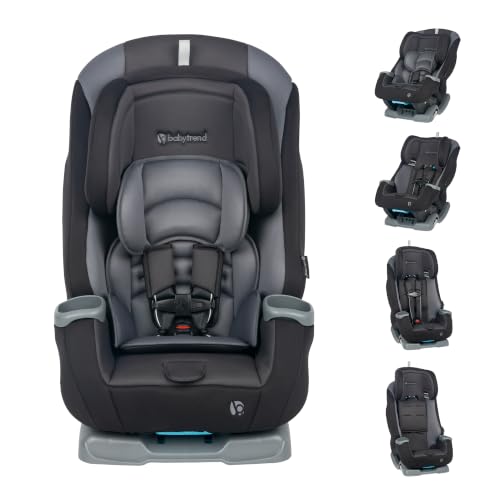
If you are researching a 3 in 1 car seat with detachable base, you are likely in the final stretch of preparing for a baby or upgrading your current setup. This category of car seat is popular because it combines the convenience of a carry-out infant seat with the longevity of a convertible seat and, in many designs, a booster mode as well. But the term "3 in 1" is used loosely across the market, and the detachable base changes how the seat is installed, how it travels between vehicles, and how you use it day to day.
This guide walks you through the core concepts so you can evaluate any model with confidence: what the three modes actually mean, why a detachable base matters, which safety features to prioritize, how installation works, and the questions you should ask before you commit.
Quick summary: A 3 in 1 car seat with a detachable base typically gives you a rear-facing infant seat that clicks into a stay-in-car base, plus forward-facing and booster configurations. The detachable base improves convenience and reduces installation errors, but the seat's weight and height limits for each mode are the most important numbers to verify before buying.
What "3 in 1" Really Means
The "3 in 1" label describes three stages of use rather than three separate products. The most common interpretation for a seat with a detachable base is:
- Rear-facing infant mode: The seat is used with the detachable base, which stays installed in the vehicle. You click the carrier in and out, which is ideal for a sleeping newborn.
- Forward-facing mode: Once your child meets the minimum weight and height for forward-facing travel, the seat is reconfigured and installed using the vehicle's seat belt or lower anchors.
- Booster mode: In models that support it, the harness is removed and the seat becomes a belt-positioning booster that uses the vehicle's lap and shoulder belt.
Not every 3 in 1 model supports all three modes in the same way. Some designs use the detachable base only in infant mode, while others keep a base-style installation throughout. Always read the manufacturer's manual for the exact mode sequence and limits. If you are comparing this category against a seat that converts differently, our guide to a 3 in 1 convertible car seat explains the alternative approach in detail.
Why a Detachable Base Matters
The detachable base is the feature that separates this category from a standard convertible seat. The base is installed once, and the seat portion clicks in and out. That design delivers several practical benefits:
- Fewer installation errors: Because the base stays in the car, you install it once and verify the level and tightness a single time. The seat-to-base connection is designed to be foolproof.
- Easier transfers: You can carry a sleeping infant from the car to the house or into a stroller without unbuckling and re-buckling.
- Multi-vehicle flexibility: Many manufacturers sell additional bases separately, so you can keep one in each family vehicle and move only the seat portion.
- Faster daycare and errand runs: The click-in, click-out rhythm saves time on short trips.
The trade-off is that the seat plus base is generally heavier and bulkier than a seat-belt-only convertible. If you rarely move the seat between cars and prefer a single long-term installation, a seat without a detachable base may be simpler. Our overview of the all-in-one car seat with detachable base format covers the broader family of designs.
Key Safety Features to Prioritize
Safety is the non-negotiable part of this decision. The features below are the ones that matter most when you compare models:
- Five-point harness: A five-point harness spreads crash forces across the strongest parts of a child's body. Confirm that the harness adjusts easily and that the chest clip sits at armpit level.
- Level indicator on the base: Newborns need a precise recline angle to keep the airway open. A built-in level indicator on the base takes the guesswork out of installation.
- Energy-absorbing foam: Expanded polystyrene or similar foam in the shell absorbs impact energy. It should be intact and visible in the head and torso areas.
- Side-impact protection: Deep head wings and reinforced side panels improve protection in a side collision.
- Anti-rebound design: Some bases include a load leg or anti-rebound bar that limits rotation in a crash.
- Current federal standards: Confirm the model meets the latest Federal Motor Vehicle Safety Standard for child restraint systems and check for open recalls before purchase.
If your child has specific positioning needs, the considerations in our guide to a 5-point harness car seat for special needs are worth reviewing, because harness geometry and padding vary meaningfully between models.
How Installation Works
Installation is where the detachable base earns its reputation. The process generally follows these steps:
- Place the base on the vehicle seat in the rear-facing position, following the manual for the correct belt path or lower-anchor routing.
- Tighten the installation until the base moves less than one inch front to back and side to side at the belt path.
- Check the level indicator and adjust the recline foot until the bubble or line is in the correct zone for your vehicle's seat angle.
- Click the seat onto the base and confirm the audible and visual indicators show a secure connection.
- Adjust the harness to your child's height and check that the chest clip is at armpit level.
For forward-facing and booster modes, the seat is typically installed directly with the vehicle belt or lower anchors rather than on the base. Always follow the manual for the exact configuration, and have the installation checked by a certified child passenger safety technician if you are unsure. Our guide to airline-approved convertible car seats also explains how installation differs when you travel by air.
Comparing the Three Modes at a Glance
The table below summarizes what changes between modes. Use it as a checklist when you read a product manual, since the exact limits vary by model.
| Mode | Orientation | Installation | Best For |
|---|---|---|---|
| Infant mode | Rear-facing | Detachable base in vehicle; seat clicks in | Newborns and small infants; frequent car-to-stroller transfers |
| Forward-facing mode | Forward-facing | Seat belt or lower anchors directly in vehicle | Toddlers who meet the minimum weight and height for forward travel |
| Booster mode | Forward-facing | Vehicle lap and shoulder belt across the child | Older children who have outgrown the harness |
How to Choose the Right Model
With the fundamentals covered, the decision comes down to fit for your family. Work through these questions in order:
1. Verify the weight and height limits for every mode
This is the single most important specification. A model that looks feature-rich may top out at a lower rear-facing weight than you expect. Match the limits to your child's growth curve, and remember that children should remain rear-facing as long as the seat allows.
2. Confirm the base is compatible with your vehicle
Check the vehicle's owner manual for approved seating positions and lower-anchor availability. Some vehicles restrict the center seat or have overlapping anchor rules. If you plan to use the seat in more than one car, confirm that additional bases are available and note their installation requirements.
3. Decide whether you need travel-system compatibility
If you want to click the seat directly into a stroller, confirm the stroller compatibility list. Our guide to a 3 in 1 stroller with car seat and bassinet covers how travel systems combine these components, and our comparison of an car seat and stroller combo explains the trade-offs of bundled systems.
4. Evaluate the base features
Look for a level indicator, an adjustable recline foot, a load leg or anti-rebound feature if available, and a clear latch release. These details determine how easy the base is to install correctly and how confident you will feel using it daily.
5. Check the seat fabric and padding
The seat should have removable, machine-washable covers and breathable padding. For a newborn, extra head and body support inserts are valuable, but confirm they are approved for use and removed at the correct stage.
Editorial note: This category spans entry-level, mid-range, and premium tiers. Higher tiers generally add easier harness adjustment, more recline positions, and additional side-impact features, while entry-level models often cover the safety essentials with simpler adjustments. Choose the tier that matches how often you will move the seat between vehicles and how much adjustment convenience you want.
Common Mistakes to Avoid
- Installing the base too loosely: The base should move less than one inch at the belt path. Recheck after every reinstallation.
- Ignoring the level indicator: An incorrect recline angle can compromise a newborn's airway. Adjust the foot and recheck.
- Moving to forward-facing too early: Keep your child rear-facing until the seat's rear-facing limit is reached.
- Using both lower anchors and the seat belt together: Unless the manual explicitly allows it, use one installation method.
- Skipping recall checks: Register the seat with the manufacturer and check recall listings periodically.
If you are also planning the transition to a larger seat later, the differences between a convertible car seat and a booster-focused design are worth understanding now, so you do not end up buying twice.
Frequently Asked Questions
What does 3 in 1 mean for a car seat with a detachable base?
It typically refers to three stages: rear-facing infant use on the detachable base, forward-facing convertible use, and belt-positioning booster use. Confirm the exact mode sequence in the manual, because some models only support the base in infant mode.
Is a detachable base safer than a seat belt installation?
Both can be equally safe when installed correctly. The base's advantage is that it stays in the car, which reduces the chance of installation errors. The seat must still click securely onto the base, and the base must be properly installed and tightened.
How long can my child use a 3 in 1 car seat with a detachable base?
Usage depends on the model and your child's growth. Most infant seats with detachable bases accommodate newborns up to roughly 30 to 35 pounds rear-facing, and convertible and booster modes extend usability further when the model supports them.
Can I use the detachable base in multiple vehicles?
Yes. Many manufacturers sell additional bases separately so you can keep one installed in each family vehicle and move only the seat portion between cars.
What should I check before buying?
Verify the weight and height limits for each mode, the installation method, the base's level indicator, the seat's recline positions, and current safety standard compliance. Also confirm stroller compatibility if you plan to use a travel system.
Final Checklist Before You Buy
Use this list as a last pass before you add a model to your cart:
- Rear-facing weight and height limits match your child's expected growth.
- Base includes a level indicator and adjustable recline foot.
- Additional bases are available if you have more than one vehicle.
- Harness adjusts without rethreading, or rethreading is manageable for your routine.
- Seat meets current federal safety standards and has no open recalls.
- Stroller compatibility confirmed if you want a travel system.
- Fabric covers are removable and machine-washable.
Once you have worked through these points, you will be ready to compare specific models with confidence. The recommended products below are selected to match this topic, and each listing links to detailed specifications you can review before deciding.