Baby Car Seat Buying Guide
Everything you need to know to choose the safest, most comfortable, and best-fitting car seat for your child. From infant seats to boosters.
START YOUR SEARCHDid you know? Car crashes are the leading cause of injury and death for children. A correctly installed, age-appropriate car seat can reduce the risk of fatal injury by up to 71% for infants and 54% for toddlers. Choosing the right seat and using it properly is the most important step you can take to protect your child on every journey.
Selecting the perfect car seat is one of the most critical decisions you'll make as a parent. It's not just about legal compliance—it's about your child's safety, comfort, and your peace of mind. This comprehensive baby car seat buying guide covers everything from newborn infant carriers to booster seats for older kids. We'll help you navigate the options, understand safety standards, and choose a seat that fits your child, your vehicle, and your lifestyle. By the end of this guide, you'll be ready to make a confident purchase from our recommended list below.
Understanding the Types of Baby Car Seats
Baby car seats are categorized based on the child's age, weight, and height. There is no single "best" seat—the right choice depends on your child's stage of development. Here are the primary types available in the market:
- Infant Car Seats (Rear-Facing Only): Designed for newborns and smaller babies. They are rear-facing only and typically have a weight limit of 22–35 lbs. They usually come with a base that stays in the car, allowing you to carry the seat in and out easily. Some can be clicked into a stroller for convenient travel.
- Convertible Car Seats: These can be used rear-facing for infants and toddlers and then "converted" to forward-facing as the child grows. They have higher weight limits (up to 40 lbs rear-facing, 65 lbs or more forward-facing) and are a long-term investment. They generally do not detach from the base like infant seats.
- All-in-One (3-in-1) Car Seats: These seats are designed to transition from rear-facing to forward-facing to a booster seat. They accommodate children from birth up to 100+ lbs. While they offer the most extended use, they tend to be larger and heavier.
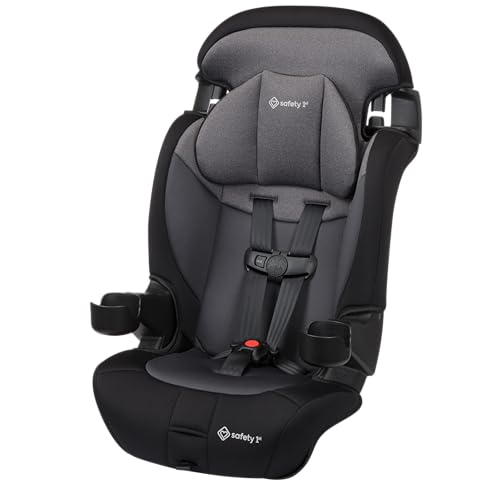
- Booster Seats: For older children who have outgrown forward-facing seats. Boosters elevate the child so the adult seat belt fits correctly over the stronger parts of the body. There are high-back boosters (offering head and neck support) and backless boosters.
Each type has its pros and cons, and the best choice often comes down to your specific needs. For example, infant car seats are incredibly convenient for parents with newborns, while convertible car seats are a cost-effective choice for the long haul. Many parents choose to start with an infant seat and later move to a convertible, but an all-in-one seat can be a great investment from day one.
Car Seat Safety: Essential Features to Consider
Safety should be your top priority. Every car seat sold in the United States must meet federal safety standards, but some features offer enhanced protection and ease of use. When reading reviews or comparing models, pay close attention to the following:
1. Ease of Installation
A car seat is only as safe as its installation. A poorly installed seat can dramatically reduce its effectiveness. Look for features like LATCH (Lower Anchors and Tethers for Children) systems, which make installation easier without using the seat belt. Superior LATCH or ClickTight technology (found in some Britax models) simplifies the process and reduces the risk of incorrect installation. Many retailers offer installation help—don't hesitate to ask.
Always read the vehicle and car seat manuals thoroughly. Some vehicles have incompatible seat belt systems, so checking compatibility before buying is essential. You can often find local car seat inspection stations for expert help.
2. Side-Impact Protection
Side-impact collisions are among the most dangerous. Advanced side-impact protection systems, including energy-absorbing foam, deep side wings, and adjustable headrests, can provide crucial protection. Side-impact protection (SIP) is a vital feature to look for in any seat, especially infant and convertible models. Some brands like Graco and Chicco have dedicated SIP systems.
3. Harness System
The harness should be easy to adjust and secure. A no-rethread harness allows you to adjust the shoulder height without needing to rethread the straps—a significant convenience as your child grows. A quick-adjust harness system makes it simple to get a snug fit every time. Ensure the harness straps are at or just below the shoulders for rear-facing and at or above for forward-facing.
4. Weight and Height Limits
Don't just check the current weight and height of your child; think about the future. A seat with higher rear-facing weight limits (e.g., 40 lbs or 50 lbs) allows you to keep your child rear-facing for longer, which is safer. Similarly, a convertible seat with a forward-facing weight limit of 65 lbs will last much longer than one with a 40 lbs limit. Newborn must-haves often include seats that prioritize extended rear-facing use.
The new EU regulation, R129 (i-Size), is increasingly adopted globally, focusing on height-based classification for better safety. It also emphasizes rear-facing travel for up to 15 months. While not yet mandatory in the US, it's a sign of the industry's commitment to safety.
Installation Tips and Common Mistakes to Avoid
Even the most expensive, feature-packed car seat won't protect your child if it's not installed correctly. According to the National Highway Traffic Safety Administration (NHTSA), nearly half of car seats are installed incorrectly. Here are some practical tips to ensure your child's seat is safe.
- Read the Manuals: Read both your vehicle owner's manual and the car seat manual. Each will have specific instructions. Vehicle manuals often explain where the LATCH anchors are and how to lock the seat belt.
- The "Inch Test": Once installed, grab the car seat at the belt path (where the seat belt or LATCH connects) and try to move it side-to-side and front-to-back. It should not move more than one inch in any direction. If it moves more, it's too loose.
- Angle and Recline: For rear-facing seats, the proper recline angle is crucial to keep the baby's airway open. Many seats have built-in levels or indicators. Check the manual for the correct angle and adjust with pool noodles or a leveling foot if necessary.
- Harness Tightness: The harness straps should be snug. You should not be able to pinch any excess webbing at the shoulder. The chest clip should be at armpit level, not on the neck or stomach.
- Avoid Bulky Coats: Never strap a child into a car seat wearing a thick winter coat. The coat compresses in a crash, creating slack in the harness. Instead, use the car seat harness and place a blanket over the top for warmth.
- Get Your Seat Checked: Many fire stations, hospitals, and police departments offer free car seat inspections. Use this service—it's invaluable. You can also find certified Child Passenger Safety Technicians (CPSTs) online.
If you're unsure about any step, don't hesitate to ask for professional help. It's a small investment of time that can make a life-saving difference.
When to Transition Your Child to a New Car Seat
Moving to a new car seat stage too early can be dangerous. Always follow the guidelines set by the manufacturer and your child's specific measurements, not just their age. Here are the general guidelines:
From Infant to Convertible
Your child has outgrown their infant car seat when they exceed the height or weight limit, or when the top of their head is less than one inch from the top of the shell. This usually happens between 1 and 3 years old. The safest practice is to keep your child rear-facing for as long as possible—ideally until they reach the maximum rear-facing weight or height of their convertible or all-in-one seat.
For many children, this can be up to age 4. The American Academy of Pediatrics (AAP) recommends rear-facing until at least 2 years old, but its updated guidance suggests that children should remain rear-facing until they outgrow the seat's limits.
From Convertible to Booster
Children should remain in a forward-facing harness until they outgrow the height and weight limits of their convertible or all-in-one seat. This is often around 40–65 lbs, but many seats have higher limits. Once they exceed those limits, it's time for a booster seat.
A booster seat is designed to position the adult seat belt correctly across the child's shoulder and lap. The seat belt should lie across the upper chest (not the neck) and low across the hips (not the stomach). Children should usually stay in a booster seat until they are 4 feet 9 inches tall and between 8 and 12 years old.
If you have a travel car seat for vacations or use in other vehicles, ensure it's appropriate for your child's age and size, and that you know how to install it safely in the new vehicle. Always double-check the vehicle's compatibility.
Car Seat Accessories You Might Need
Beyond the car seat itself, a few accessories can enhance comfort and convenience:
- Car Seat Base: For infant seats, having an extra base can be a game-changer. If you have two cars, you can install a base in each, saving you the hassle of moving the base between vehicles.
- Sun Shade: A window shade can protect your child from harsh UV rays and help keep the car cooler. Look for ones that easily attach to the car window and can be adjusted.
- Car Seat Protector/Mat: These mats sit under the car seat, protecting your vehicle's upholstery from stains, wear, and tear. They can also help with seat belt and LATCH access.
- Head Support/Insert: Many infant car seats come with a head support insert for newborns. These are important for proper positioning and support. Nursing pillows should never be used inside a car seat as they are not crash-tested.
- Mirror: A car seat mirror allows you to see your rear-facing child from the driver's seat. This can be a great comfort tool for parents, especially during long trips. Ensure it is securely attached and does not become a projectile in a crash.
Expert Car Seat Reviews and Comparison
With so many brands and models, choosing can be overwhelming. Here is a breakdown of some of the top car seat categories based on expert reviews, safety ratings, and consumer feedback. These are the seats that consistently perform well in crash tests and have high ease-of-use ratings.
Infant Seats: Leading contenders include the Chicco KeyFit 30 (known for its incredibly easy installation and great fit for newborns), the Graco SnugRide SnugLock 35 (excellent value and performance), and the Nuna PIPA series (lightweight and luxurious).
Convertible Seats: Top-rated models include the Britax One4Life (excellent all-in-one design with ClickTight installation), the Graco Extend2Fit (features a leg extension for extra rear-facing room), and the Chicco NextFit (features a 9-position recline and easy no-rethread harness).
Booster Seats: The Graco TurboBooster is a classic, affordable high-back booster. For a premium option, the Britax Highpoint offers outstanding side-impact protection and a secure LATCH connection.
If you're looking for a swivel car seat for easier access, brands like Cybex and Graco have recently introduced swivel models (currently more common in European markets). These are a great investment for convenience. For a lightweight option for travel, the Cosco Scenera NEXT is a popular choice.
When you're ready to buy, check the product listings below for our curated selection of top-rated baby car seats available online. Each product link includes up-to-date prices and customer reviews to help you make a final decision.
Car Seat Price Ranges and Investment
Car seats range from budget-friendly options (around $50–$100) to premium, luxury models that can exceed $500. While price is a factor, it's essential to remember that a higher price tag doesn't always mean a safer seat—all seats must meet federal safety standards. However, premium seats often offer added comfort, easier installation, and more durable materials.
A baby on a budget guide can help you prioritize spending. For many families, a reliable convertible car seat in the $150–$300 range offers the best balance of safety, features, and longevity. For example, the Graco Extend2Fit is often priced around $200–$250 and provides an excellent rear-facing weight limit of 50 lbs. Meanwhile, the Britax One4Life is a $300+ seat that can last from birth through the booster stage. While an all-in-one seat might seem expensive upfront, it can be more cost-effective than buying three separate seats over time.
If you travel frequently, a lightweight travel car seat might be a worthwhile secondary investment. The Cosco Scenera NEXT costs around $50 and weighs just 7 lbs, making it ideal for air travel.