Water Resistant Changing Pad – Smart, Safe & Easy to Clean
Choosing the right changing pad means fewer messes, better hygiene, and peace of mind. Learn what to look for and find the best water-resistant pads for your nursery.
SEE TOP PICKSWhat Is a Water Resistant Changing Pad?
A water resistant changing pad is a protective surface designed to withstand moisture, spills, and accidents during diaper changes. Unlike standard cloth pads, these feature a laminated or coated outer layer that repels liquid, making cleanup quick and hygienic. Whether you're at home or on the go, a water-resistant pad keeps your changing station fresh and reduces the risk of bacterial growth.
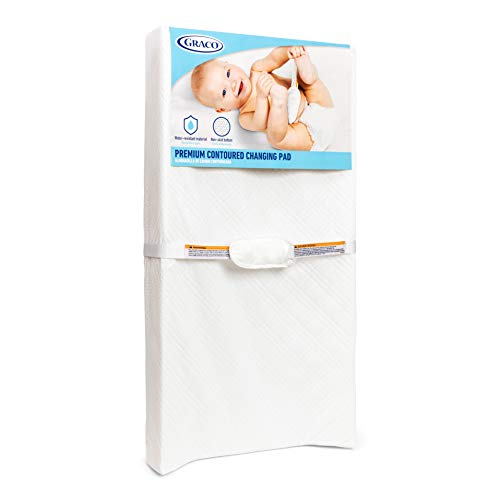
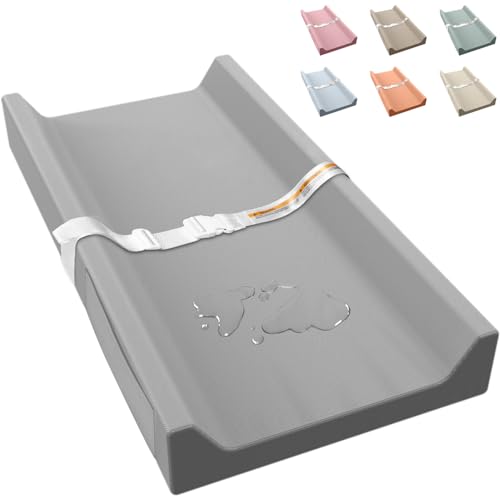
Most modern pads are made from PVC-free materials, with a soft, non-slip base and raised edges to keep your baby secure. Some are contoured for added comfort, while others are foldable for portability. When shopping, consider portable changing diaper pads for travel or contoured changing table pads for a permanent nursery setup.
Why Choose a Water Resistant Changing Pad?
- Effortless Cleanup: Simply wipe spills with a damp cloth – no need to strip the bed or wash bulky covers daily.
- Hygiene First: The waterproof barrier prevents urine and moisture from seeping into foam or fabric, reducing odors and bacteria.
- Durable & Long-Lasting: High-quality materials resist cracking, peeling, and staining, even with heavy use.
- Versatile Use: Ideal for changing tables, dressers, travel bags, and even as a protective mat for tummy time.
- Baby Comfort: Many pads feature a soft, cushioned surface that keeps your little one comfortable during changes.
If you're building a nursery, you might also like changing table dresser combos that integrate these pads seamlessly.
Materials & Safety – What to Look For
Not all water resistant pads are created equal. Look for medical-grade, phthalate-free, and BPA-free materials. Many premium pads use polyurethane laminate (PUL) which is waterproof yet breathable. Avoid vinyl (PVC) as it can off-gas harmful chemicals. Also check for safety certifications like Greenguard Gold or OEKO-TEX Standard 100.
For a safe nursery environment, consider eco-friendly newborn diapers and gender-neutral nursery decor that complements your pad's design.
Pro Tip: Always choose a pad with a non-slip bottom to prevent shifting during changes. Raised edges or a contoured shape add extra security.
How to Clean & Maintain Your Changing Pad
Maintaining a water resistant pad is simple. For daily messes, wipe with a mild soap solution and a soft cloth. For deep cleaning, most pads can be wiped with a disinfectant wipe (ensure it's safe for the material) or a vinegar-water mix. Avoid harsh bleach or abrasive scrubbers that may damage the waterproof layer.
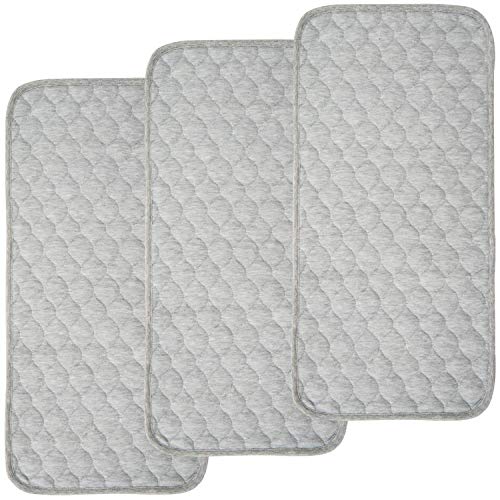
Always air-dry the pad completely before use. If your pad has a removable cover, follow the manufacturer's washing instructions. A clean pad not only looks better but also prolongs the life of the product.
For more nursery organization, check out nursery storage units to keep extra pads and wipes within reach.
Common Mistakes When Choosing a Changing Pad
- Skipping the water resistant feature: Cloth pads absorb moisture and stain easily, leading to frequent washing and potential mildew.
- Ignoring size: Make sure the pad fits your changing table or dresser. Standard sizes are around 16" x 32", but always measure first.
- Forgetting the strap: A security strap keeps your baby in place, especially for wiggly infants.
- Choosing style over safety: Prioritize materials and certifications over trendy patterns.
Also, avoid using harsh chemical cleaners that can degrade the waterproof coating. Stick to gentle, baby-safe products.
Frequently Asked Questions
Can I use a water resistant changing pad without a cover?
Yes, many pads are designed to be used without a cover. They are easy to wipe down and sanitize. However, a removable, washable cover can add extra comfort and style.
Are water resistant pads machine washable?
Most pads are spot-clean only. Check the label – some have removable covers that are machine washable. Always air dry to maintain the waterproof coating.
Do I need a contoured or flat pad?
Contoured pads have raised sides to keep your baby from rolling, while flat pads are more versatile and can be used on the floor, bed, or travel bag. Choose based on your primary use case.
Which tier should I choose for a water resistant changing pad?
Entry-level and mid-range pads cover the standard essentials, while premium contoured or organic-material options offer reinforced construction and additional features. Choose the tier that matches how often and where you plan to use the pad.