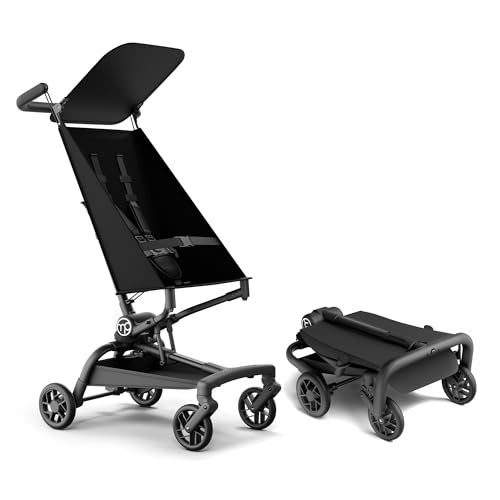
Travel Stroller for Infant for Airplane: The Complete Buying Guide
Flying with a baby does not have to be stressful. Choosing the right travel stroller for infant airplane use makes boarding, layovers, and arrivals far easier. This guide explains compact folding, overhead bin compatibility, gate-check rules, and the features that matter most before you decide.
Why You Need a Dedicated Travel Stroller for Airplane Use
A full-size stroller is wonderful at home, but it is often too bulky for air travel. A travel stroller for infant airplane trips is designed around three priorities: a compact fold, a manageable weight, and quick setup at the gate. These qualities matter because airports involve long walks, tight spaces, security lines, and boarding doors where you must fold the stroller quickly.
Many parents also discover that a lightweight travel stroller doubles as a handy everyday stroller for errands and public transport. If you want a broader comparison of compact options, our guide to a travel stroller that fits in the overhead bin explains how cabin-friendly designs differ from standard gate-check models.
For families who also need a car seat solution, a lightweight travel stroller with car seat adapter can simplify the transition from taxi to terminal. And if you are travelling with two little ones, a lightweight double stroller for travel may be the more practical choice.
Overhead Bin vs Gate Check: Which Type Fits Your Trip?
There are two main approaches to flying with a stroller. Understanding the difference helps you avoid surprises at the boarding door.
| Travel Approach | How It Works | Best For | Tier Consideration |
|---|---|---|---|
| Overhead bin stroller | Folds small enough to be stored inside the cabin with you. | Frequent flyers and parents who want their stroller at their seat. | Premium / high-end tier — compact engineering usually places these in the upper tiers. |
| Gate-check stroller | Handed to staff at the boarding door and returned at the arrival gate. | Most families; simpler and widely accepted by airlines. | Entry-level to mid-range — a solid choice for the category. |
| Checked stroller | Checked as baggage; not available during the flight or layover. | Long trips with a full-size stroller and a secondary travel option. | Essential tier — practical but less convenient in the terminal. |
Always confirm your airline's policy before flying. Folded dimensions and weight limits vary by carrier, and a stroller that qualifies as cabin baggage on one airline may need to be gate-checked on another. Measure the folded size of any candidate and compare it with your airline's published carry-on limits.
Key Features to Look For in an Infant Airplane Stroller
When you compare models, focus on the features that directly affect air travel. These are the details that separate a smooth trip from a frustrating one.
1. One-Hand Compact Fold
A one-hand fold is a genuine advantage when you are holding a baby, a boarding pass, or a bag. Practice the fold sequence before your trip so it becomes second nature at the gate. Models in the mid-range and above often include a truly one-handed mechanism, while some entry-level options require two hands.
2. Infant-Friendly Recline
Not every travel stroller reclines flat enough for a newborn. Check the manufacturer's stated minimum age and recline angle. A near-flat recline is important for infants who cannot yet sit upright independently. If your baby is very young, confirm the recline specifications carefully and consult your pediatrician about extended stroller use.
3. Compact Folded Footprint and Weight
Lighter is not automatically better, but a stroller you can lift comfortably with one hand is a real benefit on stairs and shuttle buses. Look for a folded footprint that matches your airline's carry-on guidance, and check whether the stroller stands on its own when folded.
4. Maneuverability in Tight Spaces
Airport terminals, jet bridges, and airplane aisles are tight. Swivel front wheels and a narrow frame make navigating queues and security far easier. Test the turning radius if you can, or read owner feedback about maneuverability in crowded spaces.
5. Sun Canopy and Storage
A canopy with good coverage protects your baby during outdoor boarding and layovers. A small storage basket holds a diaper bag, snacks, or a jacket. If you carry a lot of gear, a diaper backpack pairs well with a compact stroller, and a diaper bag with changing pad keeps diaper changes organized during long travel days.
6. Durability and Build Quality
Air travel puts extra stress on frames and joints. Look for durable construction, reinforced joints, and a solid build. A stroller with a rust-proof finish and weather-resistant coating holds up better to rain, sun, and repeated folding. These qualities are especially important if you fly often.
Quick Buying Checklist for Airplane Travel Strollers
Use this checklist as you compare options. It keeps your decision focused on what actually matters for flying with an infant.
- Folded dimensions match your airline's carry-on limits
- One-hand or quick fold mechanism
- Near-flat recline suitable for your baby's age
- Comfortable carry weight for one adult
- Swivel front wheels for tight spaces
- Sun canopy with good coverage
- Storage basket or parent pocket
- Stands on its own when folded
- Durable frame and reinforced joints
- Easy-to-clean seat fabric
Comparing Travel Stroller Tiers Without the Guesswork
Rather than focusing on numbers, think about where a stroller sits in the market relative to its peers. The tier system below helps you compare models on a consistent basis.
| Tier | Typical Strengths | Best For |
|---|---|---|
| Entry-level / essential tier | Simple fold, basic recline, lightweight frame | Occasional flyers and short trips |
| Mid-range / balanced tier | Smoother fold, better canopy, improved wheels | Most families flying a few times a year |
| Premium / high-end tier | Overhead bin compatibility, premium materials, refined handling | Frequent flyers and parents who want maximum convenience |
| Flagship tier | Top-tier engineering, self-standing fold, premium fabrics | Parents who travel often and want a long-term investment |
In general, a mid-range model usually offers a noticeably smoother fold and better canopy coverage than an entry-level option. Premium models add overhead bin compatibility and refined materials, which is a worthwhile investment for families who fly frequently. Choose the tier that matches how often you travel and how much convenience you value.
Practical Airline Travel Tips for Parents
Even the best stroller works better with a little planning. These tips help your airport day go smoothly.
Call your airline first
Confirm gate-check and cabin baggage rules, and ask about stroller weight and dimension limits before you travel.
Use a stroller bag
A protective travel bag reduces wear and tear on a gate-checked stroller and keeps it clean during handling.
Practice the fold
Rehearse the fold at home so you can do it quickly at the boarding door while holding your baby.
Pack a light diaper bag
Keep essentials in a compact bag that fits the stroller basket. A diaper backpack with insulated pocket is handy for bottles and snacks.
Label your stroller
A luggage tag with your name and phone number helps staff return the correct stroller at the arrival gate.
Plan for layovers
Layovers are easier when you know whether your stroller is returned at the gate or must be collected at baggage claim.
Safety and Compatibility Notes
Safety should always come first. Check that the stroller meets current safety standards in your region, and register the product so you receive recall notices. Inspect the frame, harness, and brakes after each flight, since baggage handling can be rough.
If you plan to pair a stroller with a car seat, confirm that the two are officially compatible. A universal car seat adapter for stroller can add flexibility, and a forward facing 5-point harness car seat is worth understanding as your baby grows. For a broader car safety overview, see our guide to top safety rated convertible car seats.
For families planning a more complete travel setup, a umbrella stroller with 5-point harness and an umbrella stroller with shoulder straps offer simple alternatives for short trips. And if you are preparing your full travel kit, see things you actually need for a newborn to avoid overpacking.
Frequently Asked Questions
Can a travel stroller for an infant be taken on an airplane?
Most airlines allow travel strollers to be gate-checked at no charge. Some compact models are designed to fit in overhead bins, but you should always confirm dimensions with your specific airline before flying.
What is the difference between gate-checking and overhead bin strollers?
Gate-checked strollers are handed to staff at the boarding door and returned at the arrival gate. Overhead bin strollers fold small enough to be stored inside the cabin with you. Overhead bin models typically sit in higher tiers and fold more compactly.
What features should I look for in an airplane travel stroller for an infant?
Look for a one-hand fold, a reclining seat suitable for infants, a compact footprint, a sun canopy, a storage basket, and a weight that is comfortable to lift. Confirm the folded dimensions match your airline's carry-on limits.
Is a travel stroller safe for a newborn?
Many travel strollers offer a near-flat recline that is suitable for newborns, but not all do. Check the manufacturer's minimum age and recline specifications, and confirm with your pediatrician if you plan to use a stroller for extended periods with a very young infant.
Do I need a stroller bag for air travel?
A stroller bag is not required, but it protects your stroller from scratches, dirt, and moisture during handling. It is a sensible addition for a gate-checked stroller, especially if you fly regularly.