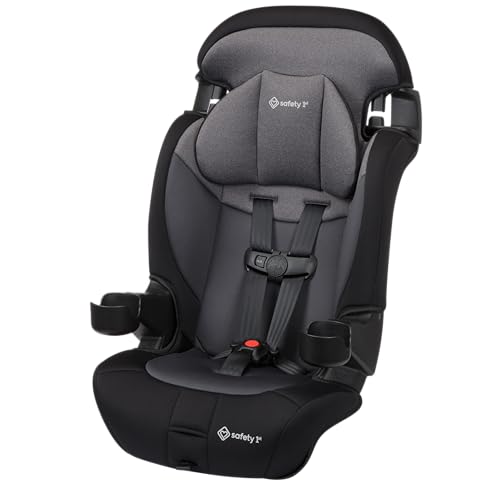
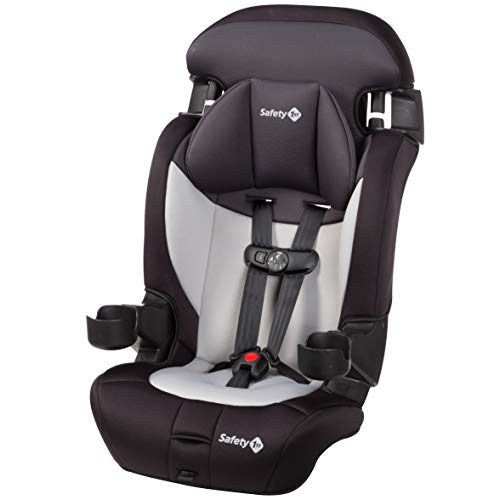
Forward Facing 5 Point Harness Car Seat: A Parent's Complete Guide
Learn when to transition your child, how a 5 point harness protects them, and what to look for when choosing a forward facing car seat for your growing toddler.
Why this guide matters: Moving your child to a forward facing 5 point harness car seat is a major milestone, but it must be done at the right time and with the right seat. A properly installed and fitted 5 point harness is one of the most effective protections against injury in a crash. This guide walks you through the transition, the safety features that matter, and the categories of seats available so you can choose with confidence.
What Is a Forward Facing 5 Point Harness Car Seat?
A forward facing 5 point harness car seat is a child restraint that faces the front of the vehicle and secures your child using a harness with five attachment points: two at the shoulders, two at the hips, and one at the crotch buckle. This harness distributes crash forces across the strongest parts of a child's body, reducing the risk of ejection and serious injury.
Most families encounter this type of seat in two ways: as a convertible car seat that starts rear facing and later rotates forward, or as a combination seat that begins as a forward facing harness seat and later converts to a belt-positioning booster. Either path gives your child the reinforced protection of a 5 point harness during the toddler and preschool years.
Understanding the difference between a forward facing car seat and a rear facing model is the first step. The key takeaway: keep your child rear facing as long as the seat allows, then transition to a forward facing harness seat only when they have outgrown the rear facing limits.
When Should Your Child Move to a Forward Facing Harness Seat?
The safest approach is to keep your child rear facing until they reach the maximum height or weight limit of their rear facing seat. Many convertible seats now support rear facing up to higher limits, so check your seat's manual carefully.
As a general guide, most children are ready to move to a forward facing 5 point harness car seat when they meet all of the following:
- They have reached the maximum rear facing height or weight limit of their current seat.
- They are at least two years old (many safety organizations recommend waiting even longer).
- The top of their head is within the allowed range stated by the seat manufacturer.
- Their shoulders are at or below the harness slot specified for forward facing use.
Safety tip: Never rush the forward facing transition. Children under two are significantly safer rear facing due to the way their head and neck are supported in a crash. Use a convertible seat that supports extended rear facing to maximize protection.
Key Safety Features of a 5 Point Harness
Not all 5 point harnesses are equal. When evaluating a forward facing seat, focus on these features:
- No-rethread harness: Allows you to adjust harness height without disassembling the seat, making it easier to keep the harness properly positioned as your child grows.
- Harness tension indicator: A visual or audible cue that confirms the harness is snug enough.
- Steel-reinforced frame: Provides structural integrity in a crash and is common in mid-range and premium models.
- Energy-absorbing foam: EPS or EPP foam liners in the head and torso area help manage crash forces.
- Anti-rebound or load leg: Some premium forward facing seats include extra stability features, though these are more commonly found on rear facing installations.
- Five-point buckle with padded covers: Prevents the buckle from digging into your child's skin during long rides.
A harness that fits snugly against the body — with no slack at the hips or shoulders — is critical. The chest clip should sit at armpit level, and you should not be able to pinch any webbing at the shoulder. Premium tier seats often include easier adjustment mechanisms, but even an entry-level seat can be perfectly safe when installed and fitted correctly.
Forward Facing 5 Point Harness Car Seat Categories
To help you navigate the market without focusing on numbers, here is how forward facing harness seats generally break down by market position and feature set:
| Tier | Best For | Typical Features |
|---|---|---|
| Entry-Level | Families seeking a straightforward, reliable harness seat for a single child | Basic 5 point harness, rethread adjustment, standard foam padding, machine-washable cover |
| Mid-Range | Growing families who want easier adjustments and added comfort | No-rethread harness, steel-reinforced frame, extra head and torso padding, multiple recline positions |
| Premium | Parents prioritizing extended use and premium materials | High-grade steel frame, energy-absorbing foam throughout, easy-clean fabrics, extended harness height limits |
| Luxury | Families who want the highest level of refinement and convenience | Flagship-tier construction, premium upholstery, advanced installation aids, integrated cup holders, travel-friendly design |
When comparing tiers, remember that a mid-range model typically offers a smoother harness adjustment mechanism than an entry-level seat, while a premium tier seat often provides a more solid build and longer usable lifespan. The best choice depends on how long you plan to use the seat and how many children will pass through it.
Installation and Fit: Getting It Right
Even the safest forward facing 5 point harness car seat only protects your child if it is installed and fitted correctly. Follow these steps:
- Use the top tether: Forward facing seats require the top tether strap to be anchored to the designated tether point in your vehicle. This significantly reduces forward head movement in a crash.
- Check the install: The seat should not move more than one inch side to side or front to back at the belt path.
- Position the harness: Forward facing harness straps should be at or above the child's shoulders. The chest clip goes at armpit level.
- Remove bulky clothing: Puffy jackets create slack in the harness. Use a thin layer and add a blanket over the harness if needed.
- Do the pinch test: After buckling, try to pinch the harness webbing at the shoulder. If you can pinch a fold, it is too loose.
Installation tip: Many fire departments and child passenger safety technicians offer free seat checks. Having a certified technician verify your installation gives peace of mind and catches common mistakes.
If you are also shopping for other travel gear, our gate check bag for stroller and car seat guide can help you protect your seat during air travel.
Common Mistakes to Avoid
Even experienced parents can overlook details. Avoid these pitfalls:
- Transitioning too early: Moving to forward facing before the rear facing seat is outgrown reduces protection.
- Loose harness: A loose harness is one of the most common and dangerous errors. Always do the pinch test.
- Skipping the top tether: The tether is not optional for forward facing seats — it is a critical safety feature.
- Wrong harness height: Forward facing harness slots must be at or above the shoulders, never below.
- Using a second-hand seat with unknown history: A seat that has been in a crash or is missing parts may not protect your child. Check expiration dates and recall status.
For families preparing for a new baby, our free baby samples and free baby stuff guides can help you gather essentials while you plan for car seat upgrades.
Frequently Asked Questions
How long can my child use a forward facing 5 point harness car seat?
It depends on the seat's height and weight limits, but most forward facing harness seats accommodate children from around two years old up to a weight limit that varies by model. Many children can remain in a 5 point harness until they are ready for a belt-positioning booster, which is typically around age five or six, depending on their size and maturity.
Is a 5 point harness safer than a booster seat?
For younger children, yes. A 5 point harness distributes crash forces across the body and keeps the child properly positioned, which a vehicle seat belt alone cannot do for a small child. A booster seat should only be used once the child has outgrown the harness limits of their forward facing seat and meets the booster's height and weight requirements.
Can I install a forward facing 5 point harness car seat with a seat belt instead of lower anchors?
Yes. Forward facing seats can typically be installed using either the vehicle seat belt or the lower anchor system, as long as you follow the seat manufacturer's instructions and the vehicle's weight limits for lower anchors. The top tether should always be used regardless of which installation method you choose.
What should I do if my child unbuckles the harness?
Some children go through a phase of unbuckling. Safety-first solutions include using a seat with a stiffer buckle, adding a harness retainer clip (if approved by the manufacturer), and practicing gentle reinforcement. Never modify the harness with unapproved devices, and consider consulting a child passenger safety technician for advice.
Do forward facing seats expire?
Yes. Most car seats have an expiration date, typically printed on a label on the seat. Expiration is based on the degradation of materials and the availability of replacement parts. Never use a seat past its expiration date, and avoid seats with unknown history.
Quick Recap: Choosing Your Forward Facing Harness Seat
To summarize the key points from this guide:
- Keep your child rear facing as long as possible; transition when they outgrow the rear facing limits.
- Prioritize a snug harness fit, top tether use, and correct harness height.
- Choose a seat tier that matches how long you plan to use it and how many children will share it.
- Avoid rushing, loose harnesses, and skipping the tether.
- Consider a convertible or combination seat to get the most value across stages.
If you are also exploring other feeding or baby care topics, our formula for newborn and formula for sensitive stomach guides cover common concerns for new parents.