Toothache Medicine: Safe Relief for Teething Babies & Toddlers
Discover effective and gentle toothache remedies for your little one. From over-the-counter gels to natural teething soothers, find the best solution for your child's pain.
Explore RemediesUnderstanding Toothache in Children: Teething and toothaches are common in babies and toddlers. Finding the right toothache medicine or remedy can provide much-needed relief. This guide covers safe over-the-counter options, natural alternatives, and practical tips to soothe your child's discomfort.
Why Do Babies and Toddlers Get Toothaches?
Toothaches in young children are primarily caused by teething (when baby teeth push through the gums) or, in older toddlers, by tooth decay or an emerging cavity. Teething typically begins around 6 months and can cause discomfort, irritability, and swollen gums. For toddlers, poor oral hygiene or a diet high in sugar can lead to early childhood caries, which may result in a toothache. Recognizing the symptoms early is key to providing effective toothache medicine and care.
It's important to consult a pediatric dentist if your child experiences persistent pain, fever, or swelling. However, for mild to moderate discomfort, several safe and reliable remedies are available.
Safe Over-the-Counter Toothache Medicine for Kids
When your child is in pain, over-the-counter (OTC) pain relievers can be a safe and effective option. The two most common and pediatrician-recommended medications are acetaminophen (e.g., Tylenol) and ibuprofen (e.g., Advil or Motrin). These can help reduce fever and alleviate toothache pain.
- Acetaminophen (for infants & children): Available in liquid drops or syrups. Always use the dosing syringe that comes with the package. Dosage is based on weight, not age.
- Ibuprofen (for infants & children): Also comes in liquid form. It is an anti-inflammatory, which can be particularly helpful for swollen gums. Ibuprofen is typically suitable for babies 6 months and older.
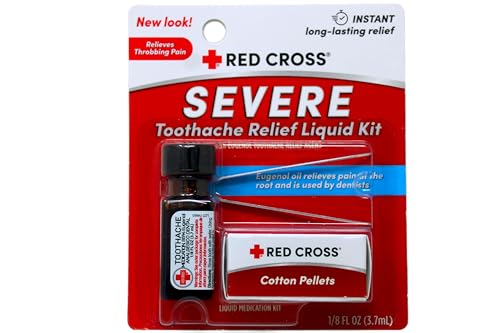
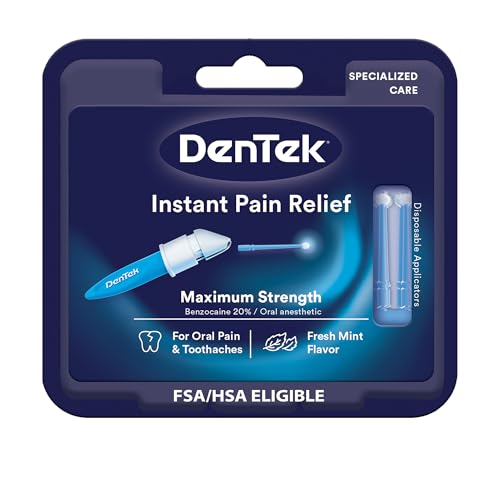
- Topical Oral Gels (e.g., Orajel): These gels contain a mild anesthetic like benzocaine. However, the FDA advises against using benzocaine products for children under 2 years due to the risk of methemoglobinemia. For older toddlers, use with caution and consult a doctor.
For home use, always have a reliable baby thermometer on hand to monitor for fever, which can be a sign of infection.
Natural & Gentle Toothache Remedies
Many parents prefer natural approaches to soothe teething discomfort before turning to medication. These remedies can be used alongside or as an alternative to relieve toothache pain.
- Chilled Teething Rings: A cold (not frozen) teething ring can numb the gums and reduce inflammation. Avoid gels filled with liquid, as they can break.
- Cold Washcloth: Wet a clean washcloth, twist it, and place it in the fridge for a few minutes. Let your baby chew on the cold fabric for soothing relief.
- Gentle Gum Massage: Using a clean finger, gently rub your child's gums in a circular motion to ease tension and provide comfort.
- Chilled Fruit (for toddlers): Offer chilled (not frozen) pieces of cucumber, apple, or banana in a mesh feeder to safely soothe sore gums.
- Teething Tablets: Choose homeopathic teething tablets that are free of belladonna and benzocaine. Always check the ingredient list and consult your pediatrician.
Remember, while these remedies are effective for teething pain, they are not a substitute for proper oral hygiene. Starting early with cleaning your baby's gums and later with a soft toothbrush helps prevent early tooth decay.
When to Visit a Pediatric Dentist
While teething pain is normal, certain signs indicate a need for professional dental care. If your child experiences any of the following, schedule an appointment with a pediatric dentist:
- Toothache that lasts more than a day or two without relief from OTC medicine.
- Swelling in the face, cheek, or gums.
- Fever (above 100.4°F) that doesn't subside.
- Visible decay, dark spots, or chipped teeth.
- Persistent irritability or refusal to eat or drink.
Early dental visits are crucial for maintaining your child's oral health. A dentist can provide specialized cleaning of teeth and guidance on preventing future toothaches. Establishing good dental habits early also supports the development of permanent teeth and overall health.
Preventing Toothaches in Toddlers & Children
Prevention is always better than cure. Here are some practical tips to help prevent toothaches and promote good oral health:
- Start Early: Wipe your baby's gums with a soft, damp cloth after feedings to remove bacteria.
- Brush Twice Daily: As soon as the first tooth appears, brush with a tiny smear of fluoride toothpaste (size of a grain of rice). For children 3-6, use a pea-sized amount.
- Limit Sugary Drinks: Avoid putting juice, soda, or sweetened milk in bottles, especially at bedtime.
- Regular Dental Check-ups: The American Dental Association recommends a first dental visit by age 1 or within 6 months of the first tooth appearing.
- Use a Cup: Transition from a bottle to a sippy cup or regular cup by age 1 to reduce the risk of sucking thumb teeth alignment issues and tooth decay.
Final Thoughts on Toothache Medicine & Care
Finding the right toothache medicine for your child doesn't have to be overwhelming. Whether you choose a pediatrician-recommended OTC pain reliever or a natural teething remedy, the goal is to provide comfort while keeping safety as the top priority. Always read labels carefully, follow dosage instructions based on your child's weight, and consult healthcare professionals when in doubt.
For toddlers who are older and experiencing toothache from other causes, maintaining a consistent oral hygiene routine and scheduling regular dental visits are essential. Investing in the right tools, like a soft-bristled toddler toothbrush and fluoride-free toothpaste, can make a big difference.