Seeing your baby or toddler in pain from a toothache is heartbreaking. Whether it's the first signs of teething or a more persistent ache, knowing how to relieve toothache safely and effectively is essential for every parent. This guide covers proven methods, from natural soothing techniques to over-the-counter options, so you can help your child feel better quickly and confidently.
Quick Tip: Always consult your pediatrician or dentist before giving any medication to your child. This guide is for informational purposes and should not replace professional medical advice.
Understanding Toothache & Teething Pain
Toothache in babies and toddlers is most often caused by teething, but it can also result from tooth decay, a cracked tooth, or an infection. Teething typically begins around 6 months of age and continues until the child is about 3 years old. Common symptoms include irritability, drooling, swollen gums, and a desire to chew on objects. For older toddlers, a toothache might be accompanied by a fever, ear pain, or difficulty eating.
Identifying the cause is the first step. If your child has a fever over 100.4°F (38°C) or seems unusually lethargic, contact a healthcare provider immediately. For standard teething discomfort, there are many safe and effective ways to relieve teething symptoms at home.
Safe & Effective Remedies to Relieve Toothache
Before reaching for medication, try these gentle, natural remedies that can provide significant relief for your child's sore gums and teeth.
- Cold Compress or Chilled Teether: Applying something cold numbs the gums and reduces inflammation. Use a clean, chilled teething ring or a cold, wet washcloth. Never give a frozen teether, as it can be too hard on delicate gums.
- Gentle Gum Massage: With clean fingers, gently rub your child's gums in a circular motion. The pressure can help counteract the pain of teeth erupting through the gums.
- Breast Milk or Formula Popsicles: For babies eating solids, you can freeze breast milk or formula in a safe, mesh feeder. The cold provides relief, and the familiar taste is comforting.
- Elevating the Head at Night: If your toddler has a toothache, propping their head up with an extra pillow (if age-appropriate) can reduce blood flow to the head, which may decrease throbbing pain.
If natural remedies aren't enough, pediatrician-approved over-the-counter options can be helpful. Safe toothache medicine for kids typically includes infant acetaminophen or ibuprofen (for children over 6 months). Always use the dosing syringe provided and follow the weight-based instructions carefully. Avoid topical numbing gels containing benzocaine for children under 2 years old, as they can be harmful.
When to See a Dentist or Doctor
While many toothaches are manageable at home, some require professional attention. You should seek medical or dental care if your child experiences:
- Pain that persists for more than a day or two
- A fever over 100.4°F (38°C)
- Swelling in the face or cheek
- Difficulty swallowing or breathing
- Signs of a dental abscess (a pimple-like bump on the gums)
Regular dental checkups starting by age 1 are crucial for preventing tooth decay and catching issues early. Learn more about preventing early tooth decay and establishing good oral hygiene habits. For older children who can cooperate, proper cleaning of teeth techniques are essential for long-term dental health.
Preventing Toothaches: Daily Oral Care
The best way to relieve toothache is to prevent it from happening in the first place. Establishing a consistent oral care routine early sets the stage for a lifetime of healthy smiles.
- For Babies: Wipe gums with a soft, damp cloth after feedings. Once teeth appear, use a baby toothbrush with a smear of fluoride toothpaste (the size of a grain of rice).
- For Toddlers: Brush twice daily with a pea-sized amount of fluoride toothpaste. Start flossing when two teeth touch.
- Diet Matters: Limit sugary drinks and snacks, which can contribute to tooth decay. Encourage water and a balanced diet.
- Visit the Dentist: Schedule your child's first dental visit by their first birthday, then every 6 months thereafter.
Teething and minor toothaches are a normal part of childhood, but with the right knowledge and tools, you can help your child navigate this phase comfortably. For more parenting support, check out our guides on newborn milestones and potty training tips.
Find the Best Relief Products for Your Child
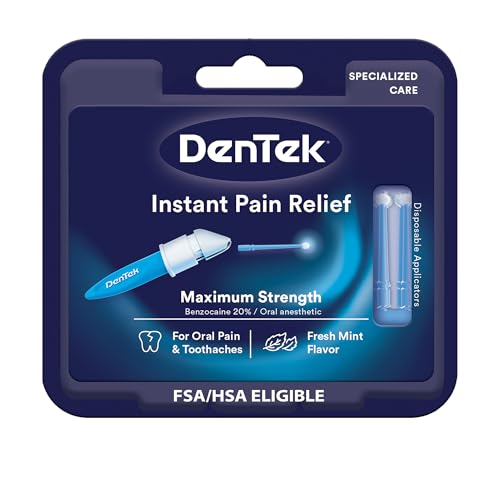
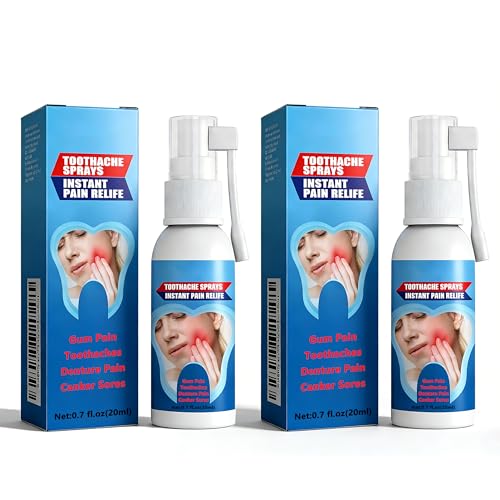
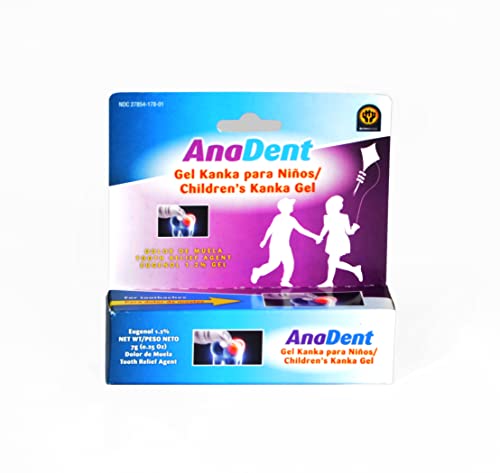
We've curated a selection of safe, effective teething and toothache relief products from trusted brands. These are the items that parents and pediatricians recommend most.