Thumb Sucking & Teeth: What Every Parent Must Know
Understand how thumb sucking affects your child's teeth and jaw. Learn the risks, long-term effects, and proven strategies to help your child stop the habit.
Key insight: Thumb sucking is a natural reflex for babies, but if it continues past age 4–5, it can lead to permanent changes in tooth alignment and jaw structure. The good news? With the right approach, most children can break the habit before it causes lasting dental issues.
How Thumb Sucking Affects Teeth & Jaw Development
When a child sucks their thumb, the pressure from the digit pushes against the front teeth and the roof of the mouth. Over time, this can cause:
- Open bite: The front teeth don't meet when the mouth is closed.
- Overbite: The upper front teeth protrude outward.
- Crossbite: The upper teeth sit inside the lower teeth.
- Changes in the roof of the mouth: The palate may narrow, affecting how the tongue sits and even speech development.
The severity of these issues depends on the frequency, intensity, and duration of thumb sucking. A child who sucks passively may have fewer problems than one who sucks vigorously. The most critical period is when permanent teeth start to come in (around age 6) — after that, the risk of permanent misalignment increases significantly.
If you're concerned about your child's dental development, learning about early tooth decay can also help you stay proactive about overall oral health. Additionally, understanding proper teeth cleaning techniques ensures you're supporting healthy habits at home.
Risks and Long-Term Effects of Prolonged Thumb Sucking
While thumb sucking is normal in infants, continuing the habit beyond age 4–5 can lead to both dental and developmental concerns:
Tooth Misalignment
Permanent teeth may grow in crooked, requiring braces or orthodontic treatment later.
Speech Issues
Changes in palate shape can affect tongue placement, leading to lisps or difficulty with certain sounds.
Sleep Disruption
Some children suck their thumb to self-soothe at night, but the habit can also disrupt deep sleep cycles.
Skin & Nail Problems
Prolonged sucking can cause calluses, cracked skin, or even nail infections around the thumb.
In most cases, early intervention — before permanent teeth fully emerge — can prevent these long-term effects. If your child is experiencing tooth pain or sensitivity, you may also want to explore options for relieving toothache and consult a pediatric dentist.
When Should You Seek Help?
Most pediatric dentists agree that thumb sucking isn't a concern before age 4. However, you should consider professional guidance if:
- Your child continues thumb sucking past age 5.
- You notice visible changes in tooth alignment or jaw shape.
- The habit is affecting speech development.
- Your child experiences social teasing or embarrassment.
- Other soothing methods haven't worked after consistent effort.
A pediatric dentist can assess the situation and recommend interventions such as a thumb-sucking appliance or behavioral therapy. Additionally, maintaining regular dental checkups and practicing good oral hygiene — including proper teeth cleaning — will help protect your child's smile during this transition.
How to Stop Thumb Sucking: Proven Strategies
Breaking the thumb-sucking habit requires patience, consistency, and a positive approach. Here are some effective methods to help your child stop:
🔄 Positive Reinforcement
Praise your child when they don't suck their thumb. Use a reward chart with stickers or small treats to encourage progress.
🧸 Find Alternatives
Offer a comfort object like a stuffed toy or blanket. Help your child identify triggers (like boredom or anxiety) and suggest a replacement activity.
🛏️ Nighttime Interventions
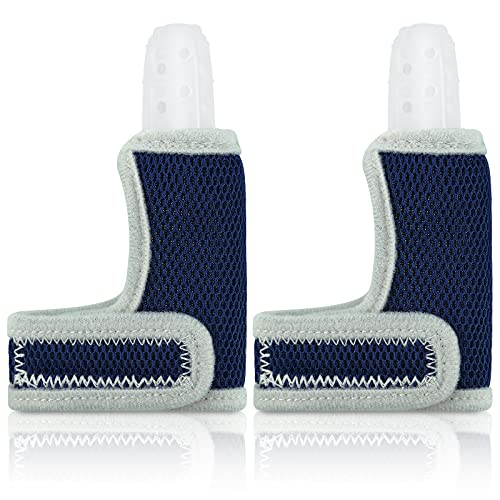
If thumb sucking happens during sleep, try covering the hand with a soft glove or a specialized thumb guard designed for nighttime use.
👩⚕️ Professional Support
For older children, a dentist or child therapist can offer additional strategies, including habit-reversal training or dental appliances.
Remember, shaming or punishing a child for thumb sucking often backfires. Instead, focus on celebrating small victories and maintaining a supportive environment. Some parents also find that introducing teething tablets or other soothing alternatives can help during the transition, especially if the habit is tied to teething discomfort.
Orthodontic Solutions for Thumb Sucking-Related Issues
If thumb sucking has already caused visible changes to your child's teeth, orthodontic treatment can correct the alignment and restore proper bite function. Common solutions include:
- Fixed or removable appliances: These are placed in the mouth to discourage thumb sucking by making it uncomfortable to place the thumb in the usual position.
- Braces or aligners: Used to correct misalignment once permanent teeth have erupted.
- Palatal expanders: To widen a narrow palate caused by prolonged thumb pressure.
Early assessment (around age 7) gives orthodontists the best window to intervene with minimally invasive treatments. If your child is also dealing with other dental issues like early tooth decay, addressing those alongside the thumb-sucking habit will set them up for a healthier future.
Frequently Asked Questions About Thumb Sucking
Does thumb sucking always cause teeth problems?
Not always. Many children stop on their own before permanent teeth erupt, and no long-term issues develop. The risk increases significantly if the habit continues past age 5 or if the sucking is intense.
Can thumb sucking affect speech?
Yes. Changes in the palate and tooth position can make it harder for a child to pronounce certain sounds like "s" or "z." Early intervention can help prevent speech problems.
What if my child refuses to stop?
Patience is key. For stubborn cases, a pediatric dentist can fit a dental appliance that makes thumb sucking less pleasurable. Some children respond well to gentle reminders from siblings or friends.
Is pacifier use better than thumb sucking?
Both can cause similar dental issues if used too long. However, a pacifier is often easier to wean because you can remove it, whereas the thumb is always available. The ideal goal is to help your child learn self-soothing without any oral habit by age 4–5.
When should I visit a dentist about thumb sucking?
If your child is over 5 and still sucking vigorously, or if you notice changes in teeth alignment, schedule a consultation with a pediatric dentist. They can assess the situation and recommend next steps.
Final Thoughts: Helping Your Child Smile with Confidence
Thumb sucking is a normal part of childhood, but it doesn't have to leave a permanent mark on your child's smile. By understanding the risks and taking proactive, gentle steps to break the habit, you can protect their dental health and self-esteem.
Every child is different — some stop on their own, others need a little extra support. The most important thing is to stay patient, positive, and informed. With the right approach, your child can move past thumb sucking and enjoy a healthy, beautiful smile for years to come.
For more parenting tips and dental care resources, explore our guides on baby-led weaning, teething relief, and pacifier use.