Toilet Seat With Built-In Potty Seat: The Complete Guide
Everything parents need to know about integrated potty seats — how they work, key features to compare, safety considerations, and how to choose the right model for your family's potty training journey.
What You'll Learn in This Guide
- What Is a Toilet Seat With a Built-In Potty Seat?
- How Built-In Potty Seats Work
- Types of Integrated Potty Seats Compared
- Key Features to Evaluate Before Buying
- Advantages and Limitations
- Installation and Maintenance Tips
- Safety Considerations for Toddlers
- How to Choose the Right Model
- Frequently Asked Questions
What Is a Toilet Seat With a Built-In Potty Seat?
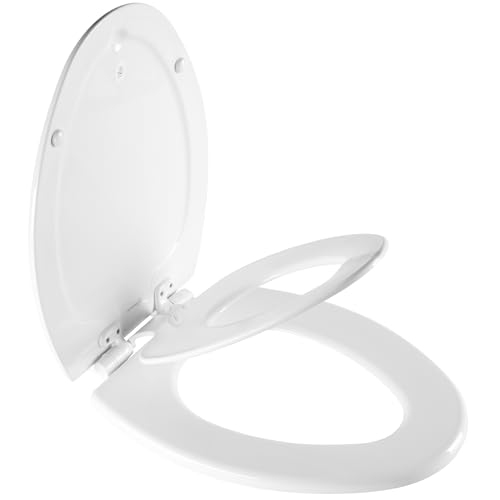
A toilet seat with a built-in potty seat is a dual-purpose fixture that combines an adult toilet seat with a smaller, child-sized seat integrated directly into the same unit. The child seat typically folds down from within the adult seat or attaches via a hinged mechanism, allowing toddlers to use the toilet safely without a separate insert or standalone potty chair.
These seats are designed for families transitioning through potty training. Instead of storing a separate toilet seat insert for potty training in the bathroom, the child seat is always available and integrated into the existing toilet. When the child seat is not in use, it flips up or folds away, and the toilet functions normally for adults.
The concept solves a common frustration: training inserts that slip, get misplaced, or require storage space. A built-in design keeps everything in one place and simplifies the routine for both parents and children.
How Built-In Potty Seats Work
The mechanism varies by model, but most built-in potty seats operate on one of two principles:
Flip-Down Child Ring
A smaller ring is nested inside the adult seat cover. It flips down over the adult opening when needed and flips back up (or is covered by the adult lid) when not in use. This is the most common design.
Removable Child Insert
Some models include a child-sized insert that clicks into the adult seat ring and can be removed entirely for cleaning or when the child outgrows it. The adult seat remains fully functional at all times.
Magnetic or Snap-In Attachment
Premium models use magnetic catches or snap-in connectors to hold the child seat securely in place. These mechanisms make it easier to attach and detach the child seat with one hand.
Regardless of the mechanism, the goal is the same: provide a secure, appropriately sized opening for a toddler while preserving the adult toilet's normal function. Most models are designed to fit standard elongated or round toilet bowls, though you should always verify compatibility before purchasing.
Types of Integrated Potty Seats Compared
Not all toilet seats with built-in potty training seats are constructed the same way. The table below compares the most common configurations to help you match a style to your bathroom setup and training approach.
| Type | Best For | Key Characteristics |
|---|---|---|
| Flip-Down Integrated Seat | Families wanting an all-in-one solution with no loose parts | Child ring nests inside the adult lid; flips down for use. No separate storage needed. Available in elongated and round bowl shapes. |
| Removable Child Insert Seat | Parents who prefer to clean the child seat separately | Child insert snaps into the adult ring and lifts out for washing. Adult seat works independently when the insert is removed. |
| Two-Stage Training Seat | Toddlers transitioning from a potty chair to the adult toilet | Includes a smaller ring for early training and a slightly larger ring for later stages. Often features handles or side grips. |
| Soft-Close Integrated Seat | Households with light sleepers or shared bathrooms | Slow-closing hinges on both adult and child seats prevent loud slams. Usually mid-range to premium tier construction. |
| Quick-Release Integrated Seat | Families who prioritize easy cleaning | The entire seat unit detaches from the mounting bolts with a release button, allowing thorough cleaning of the bowl rim and hinges. |
If you are also considering a standalone insert as a backup or travel option, our guide to toilet seat inserts for potty training covers portable alternatives. For families who want a permanently attached child seat, models described as a toilet seat with potty seat attached often use the flip-down design.
Key Features to Evaluate Before Buying
When comparing models, focus on construction quality and usability rather than cosmetic details. The features below have the biggest impact on daily satisfaction and long-term durability.
Hinge Quality and Stability
Hinges are the most stressed component of any integrated potty seat. Look for stainless steel or reinforced polymer hinges that hold the child seat firmly in the down position without wobbling. Entry-level models sometimes use thinner plastic hinges that loosen over time; mid-range and premium models typically specify metal hinge pins and tighter tolerances.
Bowl Compatibility
Measure your toilet bowl before ordering. Most integrated seats are designed for either elongated or round bowls, and the mounting hole spacing must match your toilet. Some models include adjustable mounting brackets to accommodate slight variations.
Seat Material and Surface
Polypropylene and molded plastic are standard. Higher-tier models may use antimicrobial additives or textured surfaces that resist scratching. Soft-close mechanisms add convenience but also add moving parts that can wear over time.
Child Seat Opening Size
The child opening should be small enough to prevent a toddler from slipping through but large enough to be comfortable. Most designs target children roughly between 18 months and 4 years, though sizing varies. Check the manufacturer's recommended age and weight range.
Cleaning Access
Quick-release hinges and tool-free removal make cleaning significantly easier. If the seat cannot be detached, look for models with smooth surfaces and minimal crevices around the child seat hinge area.
Integrated potty seats generally fall into three broad tiers. Entry-level models offer basic flip-down function with standard plastic hinges. Mid-range models add soft-close hinges, quick-release mounting, and better finish quality. Premium models feature metal hinge components, antimicrobial surfaces, and refined child-seat locking mechanisms. Choose the tier that matches how long you expect to use the seat and how much traffic your bathroom sees.
Advantages and Limitations
Understanding both sides helps set realistic expectations. A built-in potty seat is not the right fit for every household, but for many families it removes a recurring source of friction during training.
Advantages
- No separate insert to store, clean, or misplace
- Child seat is always available when needed
- Encourages independence as toddlers can flip the seat down themselves
- Reduces bathroom clutter compared with standalone potty chairs
- Adult toilet remains fully functional
- Often more stable than lightweight removable inserts
Limitations
- Requires replacing the existing toilet seat
- Must match bowl shape and mounting hole spacing
- Hinge area can be harder to clean than a simple adult seat
- Child seat may not fit larger toddlers comfortably
- Not portable — cannot be taken on trips
- Higher-tier models require a larger upfront investment
If portability matters, a standalone potty training insert is a better complement. Many families use a built-in seat at home and a folding insert for travel.
Installation and Maintenance Tips
Most integrated potty seats install the same way as a standard toilet seat. The process typically takes 10 to 15 minutes with basic household tools.
Installation Steps
- Remove the old seat. Loosen the mounting bolts underneath the toilet rim and lift the old seat away. Clean the rim before installing the new seat.
- Position the new seat. Align the mounting holes with the bolts on your toilet. Some models use a top-mount design that tightens from above, which is easier in tight spaces.
- Tighten evenly. Alternate between the two bolts to avoid cracking the seat or the toilet rim. Do not overtighten.
- Test the child seat. Flip the child ring down and up several times to confirm smooth operation and a secure lock in the down position.
- Check stability. Gently press on the child seat to ensure it does not shift. If it wobbles, recheck the bolt tension and the alignment of any bumper pads.
Maintenance Routine
Wipe the seat daily with a mild bathroom cleaner. Once a week, use the quick-release function (if available) to remove the seat and clean the hinge area and bowl rim. Avoid abrasive cleaners that can scratch the plastic surface. Check the mounting bolts monthly and retighten if needed — vibration from normal use can gradually loosen them.
Safety Considerations for Toddlers
Safety should guide both product selection and daily use. The following practices apply to all integrated potty seat designs.
- Supervise at all times. Never leave a toddler unattended on the toilet, even with a secure child seat.
- Verify the lock mechanism. The child seat should lock firmly in the down position and require deliberate effort to flip up. Avoid models with loose or worn hinges.
- Use a step stool. A stable step stool helps toddlers climb on and off safely and supports their feet while seated, which improves posture and comfort.
- Check weight limits. Respect the manufacturer's maximum weight rating for the child seat. Most designs accommodate toddlers through the training years, but heavier children may need a different solution.
- Inspect regularly. Look for cracks, loose bolts, or worn bumpers. Replace the seat if any component shows signs of failure.
- Keep the bathroom safe. Use non-slip rugs and secure cabinet locks, especially once your child is independently using the bathroom.
If your toddler is not yet comfortable on the adult toilet, a toilet seat with built-in potty seat can bridge the gap between a standalone potty chair and full toilet use. Pair it with a step stool and consistent routine for the smoothest transition.
How to Choose the Right Model
Use the following checklist to narrow your options before ordering:
- Measure your bowl. Confirm whether your toilet is elongated or round and note the mounting hole spacing. This is the most common source of returns.
- Decide on the mechanism. Flip-down designs keep everything in one unit; removable inserts are easier to clean separately. Choose based on your cleaning preferences and whether multiple children will use the seat.
- Consider the tier. Entry-level models are adequate for short-term use. Mid-range models with soft-close hinges and quick-release mounting offer better long-term durability. Premium models are worthwhile if the seat will remain installed for years or serve multiple children.
- Check the child seat size. Compare the opening dimensions and the manufacturer's age/weight recommendations against your child's size.
- Look for stability features. Non-slip bumpers, sturdy hinge pins, and a secure locking mechanism are more important than decorative details.
- Plan for cleaning. Quick-release hinges and smooth surfaces make a meaningful difference in daily maintenance.
For families comparing related options, our overview of the built-in potty seat category covers how these seats fit into a broader potty training setup. If you are also preparing other parts of the bathroom routine, our toddler oral hygiene guide and toddler gear checklist can help you plan the next stage of independence.
Ready to Compare Models?
Browse our curated selection of integrated potty seats and check current availability.
Explore OptionsFrequently Asked Questions
What is a toilet seat with a built-in potty seat?
It is a standard adult toilet seat that includes a smaller child-sized seat integrated into its design. The child seat flips down for potty training and folds away for adult use, eliminating the need for a separate insert or standalone potty chair.
Are built-in potty seats safe for toddlers?
Yes, when installed correctly and used with adult supervision. Choose a model with sturdy hinges, non-slip bumpers, and a secure locking mechanism. Always supervise your child and use a stable step stool for safe climbing.
How do I install a toilet seat with a built-in potty seat?
Most models install like a standard toilet seat. Remove the old seat, align the new seat with the mounting bolts, and tighten evenly. Some models offer top-mount or quick-release designs for easier installation and cleaning.
Can I use a built-in potty seat on any toilet?
Compatibility depends on bowl shape (elongated or round) and mounting hole spacing. Measure your toilet before ordering, and check the manufacturer's compatibility list. Some models include adjustable brackets for slight variations.
How long can a child use a built-in potty seat?
Most child seats accommodate toddlers roughly between 18 months and 4 years, depending on the model. Check the manufacturer's age and weight recommendations. Once the child outgrows the seat, the adult toilet remains fully functional.
Is a built-in potty seat better than a separate insert?
Each has advantages. A built-in seat is always available, stable, and reduces clutter. A separate insert is portable and easier to clean independently. Many families use both: a built-in seat at home and a folding insert for travel.