Toilet Seat Insert for Potty Training: The Complete Guide
Everything you need to know before choosing a toilet seat insert — fit, safety, comfort, portability, and how to make the transition from potty to toilet a confident, stress-free milestone.
Explore Recommended InsertsWhy a Toilet Seat Insert Matters for Potty Training
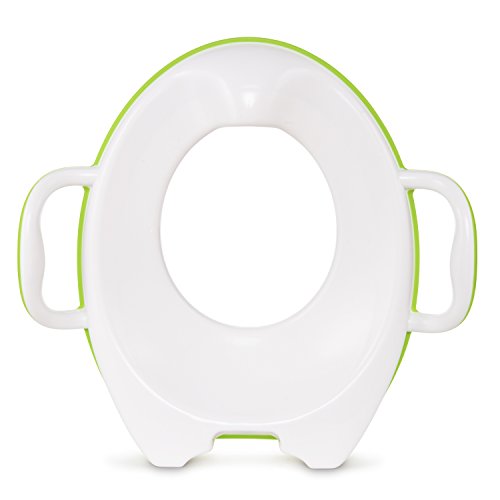
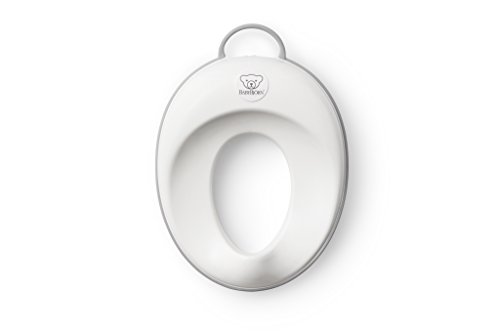
The transition from a standalone potty to the family toilet is a major milestone — and for many toddlers, it can feel intimidating. A standard toilet seat is simply too large: the opening is wide, the rim is cold, and the height can make little ones feel unstable. A toilet seat insert for potty training solves these problems by reducing the opening to a child-friendly size and providing a secure, comfortable seat that fits directly onto your existing toilet.
Unlike a standalone potty, a seat insert lets your child use the same toilet as the rest of the family. This builds confidence, encourages independence, and eliminates the extra cleanup step of emptying a separate potty bowl. For parents, the right insert means fewer accidents, less mess, and a smoother training journey overall.
Key Features to Look for in a Potty Training Seat Insert
Not all inserts are created equal. The best choice depends on your child's age, size, confidence level, and your household routine. Here are the features that matter most:
1. Secure Fit and Stability
A wobbly seat is a scary seat. Look for inserts with non-slip edges, suction cups, or rubberized grips that lock onto the toilet rim. A stable insert prevents tipping and helps your child feel safe, which is essential for building trust during training.
2. Comfort and Ergonomics
Rounded edges, a contoured shape, and soft-touch materials make long sits more comfortable. Some inserts include padded or cushioned surfaces, which can be especially helpful for children who are sensitive to hard plastic or cold surfaces.
3. Splash Guard
A raised front splash guard is a small feature with a big impact — especially for boys. It directs urine into the bowl and keeps the surrounding area cleaner, reducing cleanup time and frustration.
4. Easy Cleaning
Potty training is messy enough without hard-to-clean gear. Choose an insert made from smooth plastic or silicone that wipes clean easily. Removable pads and dishwasher-safe models offer extra convenience for busy households.
5. Portability and Travel
If you travel frequently or spend long days out, a folding or collapsible insert is a worthwhile investment. These compact models fit in a diaper bag and provide a familiar, hygienic seat on unfamiliar public toilets.
6. Compatibility with Your Toilet
Toilet shapes vary — elongated, round, and compact models all exist. Check that the insert is compatible with your toilet type before purchasing. Many inserts are designed to fit both round and elongated toilets, but always verify the manufacturer's specifications.
Types of Toilet Seat Inserts: Which One Fits Your Family?
There are several styles of potty training seat inserts, each suited to different stages and lifestyles. Understanding the differences helps you choose the right one the first time.
Standard Contoured Inserts
These are the most common type — a simple, lightweight plastic seat that sits on top of the toilet rim. They are easy to store, easy to clean, and ideal for everyday use at home. Standard inserts are a solid choice for most families beginning the transition.
Soft Padded Inserts
Padded inserts feature a cushioned surface that adds comfort for longer sits. They are particularly useful for children who are hesitant or who need extra reassurance. The trade-off is that padded models often require more careful cleaning, and some have removable covers for washing.
Folding and Travel Inserts
Designed for life on the go, these inserts fold flat or collapse into a compact shape. They are lightweight, easy to pack, and perfect for travel, daycare, or extended outings. Many travel inserts include a carry bag for hygiene and convenience.
Built-In and Integrated Seats
Some families prefer a toilet seat with a built-in potty training seat — a lid-integrated design that flips down for toddlers and folds away for adults. These are a long-term solution that eliminates the need for a separate insert, though they require replacing your existing toilet seat.
Step Stools and Ladder Combos
For older toddlers who want to climb up independently, a seat insert paired with a step stool or a ladder-style frame offers added stability and confidence. These are often used in the later stages of training when children want to do everything themselves.
| Tier | Best For | Notable Features |
|---|---|---|
| Entry-level | Budget-conscious families, early training | Simple plastic construction, basic non-slip edges |
| Mid-range | Everyday home use, comfort-focused | Splash guard, cushioned seat, easy-wipe surface |
| Premium | Frequent travel, long-term use | Folding design, carry bag, dishwasher-safe parts |
| Top-tier | Families wanting integrated solutions | Built-in training seat, ladder combo, adjustable fit |
Safety and Comfort: What Parents Should Know
Safety is the foundation of successful potty training. A child who feels secure is far more likely to relax and cooperate. Here are the most important safety considerations when choosing and using a toilet seat insert:
- Check the weight limit: Most inserts are designed for children up to a certain weight. Always follow the manufacturer's guidelines to ensure the seat can safely support your child.
- Test stability before use: Place the insert on the toilet and press down on the edges. It should not shift or lift. If it does, adjust the fit or choose a different model.
- Supervise at all times: Never leave a young child unattended on the toilet, even with a stable insert. Young children can lose balance quickly.
- Use a step stool: A step stool helps your child climb up safely and provides a footrest for better posture and pushing. It also reduces the risk of slipping during the transition.
- Clean regularly: Hygiene is part of safety. Wipe the insert after each use and deep-clean it according to the manufacturer's instructions.
How to Transition from Potty to Toilet Seat Insert
The transition from a standalone potty to a toilet seat insert doesn't have to be abrupt. A gradual approach works best for most children. Here's a step-by-step plan:
- Start with familiarity: Let your child see the insert and touch it before you use it. Explain that it's a special seat for the "big toilet."
- Practice sitting: Have your child sit on the insert with clothes on, then with a diaper, before attempting without one. This builds comfort and reduces anxiety.
- Use a step stool: Place a step stool in front of the toilet so your child can climb up independently. This promotes confidence and a sense of control.
- Keep the potty nearby: For the first few days, keep the standalone potty in the bathroom as a backup. Some children alternate between the two before fully committing to the toilet.
- Celebrate successes: Positive reinforcement is key. Praise your child for sitting, trying, and succeeding — not just for the outcome.
- Be patient with setbacks: Accidents are a normal part of training. Stay calm, clean up without drama, and encourage your child to try again.
For children who are ready to move beyond the insert entirely, a toilet seat with a built-in potty seat offers a seamless next step. And if you're still deciding between a standalone potty and an insert, our guide to toilet seats with attached potty seats can help you compare the options.
Cleaning and Maintenance Tips
A clean insert is a hygienic insert — and hygiene matters for both comfort and health. Follow these simple tips to keep your potty training seat insert in great condition:
- Wipe after every use: Use a mild disinfectant wipe or warm soapy water. Avoid abrasive cleaners that can scratch the surface.
- Deep clean weekly: Remove the insert from the toilet and wash it thoroughly with warm water and mild soap. Rinse and dry completely before replacing.
- Check for wear: Inspect the non-slip edges and suction cups regularly. Replace the insert if it becomes loose, cracked, or unstable.
- Store properly: Keep the insert in a clean, dry place when not in use. If you use a travel insert, store it in its carry bag to keep it hygienic.
Common Mistakes to Avoid
Even well-intentioned parents can run into pitfalls during potty training. Here are the most common mistakes to watch out for:
- Starting too early: If your child isn't showing signs of readiness, wait. Pushing too soon can lead to resistance and frustration.
- Choosing an unstable insert: A wobbly seat undermines confidence. Always prioritize stability over other features.
- Ignoring comfort: If your child complains about the seat being cold or hard, address it with a padded insert or cover. Comfort is not a luxury — it's a training tool.
- Skipping the step stool: Without a step stool, many children feel insecure climbing onto the toilet. A stool improves posture, stability, and independence.
- Not cleaning regularly: A dirty insert is unpleasant for your child and can cause skin irritation. Make cleaning part of your daily routine.
Frequently Asked Questions
When should I start using a toilet seat insert for potty training?
Most children are ready between 18 and 30 months. Look for signs like staying dry for longer periods, showing interest in the toilet, and being able to sit still. A toilet seat insert works best once your child has mastered sitting on a standalone potty and is ready to transition to the adult toilet.
What is the difference between a standalone potty and a toilet seat insert?
A standalone potty is a small, freestanding toilet used during early training. A toilet seat insert fits on top of the regular adult toilet, helping children transition to using the family toilet. The insert is ideal for building independence and confidence before moving to the full-size seat.
How do I keep a toilet seat insert clean?
Most inserts are made from easy-to-wipe plastic or silicone. Clean after each use with a mild disinfectant or warm soapy water. Some models are dishwasher-safe or have removable pads for deeper cleaning. Avoid harsh chemicals that can degrade the material over time.
Are travel-friendly toilet seat inserts worth it?
Yes, if you frequently travel or spend long hours away from home. Folding or collapsible inserts fit in diaper bags and provide a familiar, hygienic seat on unfamiliar toilets. They are especially useful during the early transition phase when consistency matters.
What safety features should I look for in a toilet seat insert?
Look for non-slip edges or suction cups that keep the insert stable on the toilet seat. A raised splash guard helps prevent messes, and smooth rounded edges protect delicate skin. Ensure the insert is sturdy enough to support your child's weight without wobbling.
Explore Related Guides
More Potty Training Resources
- Toilet Seat with Built-In Potty Training Seat: A Long-Term Solution
- Toilet Seat with Potty Seat Attached: Pros and Cons
- Built-In Potty Seats: What to Know Before Buying
These guides can help you compare integrated toilet solutions and decide whether a standalone insert or a built-in seat is the better fit for your family.