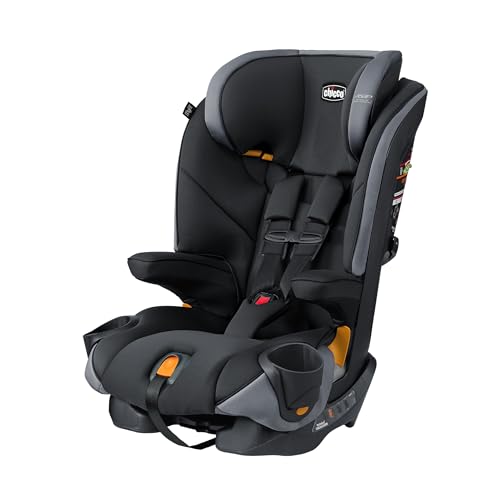
Slim Booster Seat with 5 Point Harness: Complete Buying Guide
Everything you need to know about choosing a narrow, harness-equipped booster seat — from fit and safety features to long-term usability and tier comparisons.
Why Choose a Slim Booster Seat with 5 Point Harness?
A slim booster seat with 5 point harness combines two highly desirable attributes: a narrow footprint that fits tight vehicle interiors, and a full harness that keeps younger children secure before they transition to a vehicle seat belt. Parents often seek this combination when they need to fit multiple child seats across a rear bench, or when their vehicle's rear seat is simply not wide enough for bulkier models.
The 5 point harness distributes crash forces across the child's shoulders, hips, and pelvis — a significant safety advantage for children who are not yet mature enough for a belt-positioning booster. Meanwhile, the slim profile makes daily installation easier and reduces the chance of crowding adjacent passengers or other child seats.
If you are comparing this category against traditional high-back options, you may also find our guide to a high back booster seat with harness helpful for understanding the differences in head support and side impact coverage. And if you are still deciding between a harness booster and a dedicated convertible seat, the hybrid 3-in-1 combination booster seat overview explains how multi-stage seats work.
Key Features to Evaluate
When researching a slim booster seat with 5 point harness, focus on the details that affect daily use and long-term safety. The following features separate well-designed models from compromised ones.
1. Harness System Quality
Look for a harness with a no-rethread adjustment mechanism, which lets you change harness height without disassembling the seat. A five-point harness should have a clear, easy-to-operate chest clip and a smooth central buckle. Padding on the harness straps improves comfort on longer trips.
2. Slim Profile Without Compromising Structure
The best slim models use reinforced shells and high-grade steel or engineered plastic frames to maintain rigidity despite the narrower width. Check the published seat width and compare it to your vehicle's rear bench dimensions. A seat that is too narrow for your child's shoulders can be uncomfortable, so balance slimness with interior room.
3. Installation Method
Most harness boosters install with either the vehicle's lower anchors (LATCH/ISOFIX) or the seat belt. Lower-anchor installation is often quicker and reduces the risk of a loose fit. Some models offer both. Confirm that the seat's connectors are compatible with your vehicle's anchor positions.
4. Head and Side Impact Support
Even slim models should include a reinforced headrest and side wings. These features matter for side-impact protection. Adjustable headrests that grow with the child extend the seat's usable life.
5. Convertibility
Many 5 point harness boosters convert to a belt-positioning booster once the child outgrows the harness. This extends the seat's lifespan and makes it a more efficient long-term investment. Check the harness weight and height limits carefully — a higher limit means longer harness use.
Fit and Installation: Getting It Right
Even the most carefully engineered slim booster seat with 5 point harness will underperform if it is not installed correctly. Follow these practical steps to verify fit before and after installation.
Vehicle Fit Checks
- Measure the rear bench: Compare the seat's width to the available space. Leave enough room for the vehicle's seat belt buckles to be accessible.
- Check the seat contour: The booster's base should sit flat on the vehicle seat. Deeply contoured vehicle seats can cause the booster to tilt.
- Confirm anchor access: If using lower anchors, make sure the vehicle's anchor points are reachable and not buried under the seat cushion.
- Test three-across: If you need to fit three seats, install all of them and check that each is independently secure and that the doors close without pressure on the seats.
Harness Fit Checks
- The harness should be snug enough that you cannot pinch excess strap at the shoulder.
- The chest clip should sit at armpit level.
- Harness slots should be at or just below the child's shoulders for forward-facing use (follow the manual).
- Remove bulky clothing before fitting the harness, then add layers over the harness if needed.
For families who frequently travel or switch between vehicles, a seat with tool-free installation and clear belt routing diagrams reduces the chance of misuse. If you are also considering a seat that stays in place permanently, our overview of the high back booster car seat category covers fixed-installation options.
Tier Comparison: Entry-Level to Premium
The slim booster seat with 5 point harness market spans several quality tiers. Rather than focusing on numeric figures, use the tier descriptors below to understand what each level typically delivers. This classification is used consistently throughout the article.
| Tier | Typical Characteristics | Best For |
|---|---|---|
| Entry-level | Basic 5 point harness, simpler padding, manual harness height adjustment, narrower feature set. Solid build but fewer convenience features. | Families who need a reliable secondary seat or occasional-use option. |
| Mid-range | No-rethread harness, improved padding, easier lower-anchor connectors, adjustable headrest. Better fit consistency across vehicles. | Daily drivers who want a balance of comfort, convenience, and durability. |
| Premium | Reinforced shell, high-grade steel frame, premium fabrics, advanced side-impact features, smoother adjustment mechanisms, and often higher harness limits. | Families prioritizing long-term use, frequent travel, and maximum feature depth. |
| Luxury / flagship tier | Top-tier materials, extensive padding, refined installation systems, and the most comprehensive safety feature sets in the slim category. | Buyers seeking the most feature-rich slim harness booster available. |
In general, mid-range models tend to offer the most balanced combination of slimness, harness quality, and ease of installation. Entry-level seats can be perfectly adequate for secondary vehicles, while premium and flagship tiers justify their position through durability and advanced adjustment systems. For a broader look at how harness boosters compare with other seat types, see our high back booster seat with harness guide.
Safety Checklist Before You Commit
Use this checklist to evaluate any slim booster seat with 5 point harness before making a final decision.
- ✅ The seat meets current federal motor vehicle safety standards (FMVSS 213 in the U.S.) or the equivalent standard in your region.
- ✅ The harness has a clear, easy-to-read adjustment path and a chest clip that sits at armpit level.
- ✅ The seat's width is compatible with your vehicle's rear bench, especially if you need three-across installation.
- ✅ Installation with lower anchors or seat belt is straightforward and produces a tight fit (less than one inch of movement at the belt path).
- ✅ The headrest adjusts high enough to support your child's head as they grow.
- ✅ The manual is clear and includes a vehicle fit list or compatibility guidance.
- ✅ The seat has not been subject to an open recall — check the manufacturer's website and the National Highway Traffic Safety Administration recall database.
If you are also shopping for a seat that will eventually serve as a backless option, the most comfortable backless booster seat comparison provides useful context for the later stage of booster use.
Transitioning from Harness to Belt-Positioning Mode
One of the practical advantages of a 5 point harness booster is that many models convert to a belt-positioning booster once the child reaches the harness limits. This transition should happen only when all of the following are true:
- The child has reached the maximum harness weight or height specified by the manufacturer.
- The child meets the minimum requirements for belt-positioning mode (usually around 40 lbs and a specified height, per the manual).
- The vehicle's lap and shoulder belt fit correctly across the child's hips and shoulder — not the neck or stomach.
- The child can sit still for the entire trip without slouching or unbuckling.
Until then, keep using the 5 point harness. The harness provides superior restraint for younger children and is the primary reason many parents choose a harness booster in the first place. For families planning ahead, our guide to the hybrid 3-in-1 combination booster seat explains how multi-mode seats handle this progression.
Frequently Asked Questions
What age is a 5 point harness booster seat suitable for?
A 5 point harness booster seat is generally designed for children who have outgrown their rear-facing and forward-facing convertible seats, typically starting around age 4 and continuing through the harness weight and height limits set by the manufacturer. Always check the seat's manual for the exact minimum and maximum limits.
How do I know if a slim booster seat fits my car?
Measure your car's rear seat width and compare it with the seat's published width. Check that the seat sits flush against the vehicle seat and that the vehicle's seat belt or lower anchors engage properly. Many manufacturers publish a vehicle fit list, and some retailers allow fit testing.
Can a slim booster seat with 5 point harness be used with the vehicle seat belt?
Most 5 point harness boosters are installed using the vehicle's lower anchors or the seat belt, depending on the model. Once the child outgrows the harness, many convert to a belt-positioning booster that uses the vehicle's three-point seat belt. Always follow the specific instructions for the mode you are using.
What is the main benefit of a slim booster seat?
A slim booster seat is designed with a narrower footprint, which is especially helpful in compact vehicles or when fitting three seats across a rear bench. The slimmer profile also makes it easier to install and move between vehicles without sacrificing harness functionality.