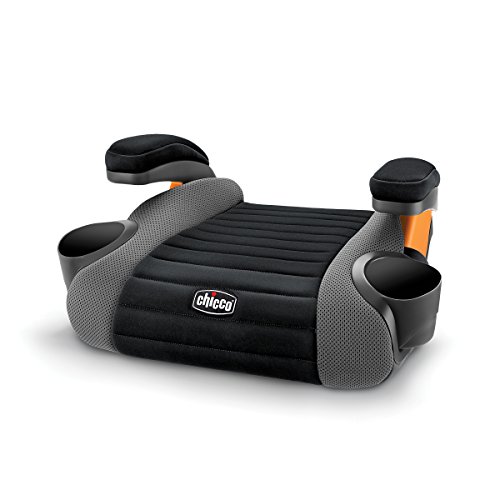
Most Comfortable Backless Booster Seat: The Complete Guide
Find the perfect balance of safety, comfort, and convenience for your growing child. Our expert guide breaks down everything you need to know about choosing a backless booster seat that keeps your little one secure and content on every journey.
Why comfort matters: A comfortable child is a safe child. When a booster seat fits well and feels good, children are more likely to sit still in the correct position for the entire ride. This guide covers the key comfort features, safety requirements, and practical considerations to help you make an informed decision.
What Makes a Backless Booster Seat Comfortable?
Comfort in a backless booster seat goes far beyond soft fabric. It is the result of thoughtful design that distributes weight evenly, supports the natural posture of a growing child, and eliminates pressure points during long or short trips. When evaluating the most comfortable backless booster seat for your family, focus on these key factors:
- Contoured padding: High-density foam that conforms to the child's body shape provides superior support compared to thin, flat cushions. Look for seats with padded seat pans and armrests.
- Breathable fabric: Mesh or moisture-wicking covers help regulate temperature, especially during warmer months, reducing discomfort from sweating.
- Proper seat depth: The seat should be deep enough to support the child's thighs without the edge digging into the back of the knees. This is critical for circulation and overall comfort.
- Adjustable armrests: Armrests that can be raised or lowered accommodate different body types and make it easier for children to get in and out of the seat.
- Stable, wide base: A broader base provides a sense of security and prevents the seat from tipping, which can be unsettling for a child.
- Belt positioning guides: Well-designed guides keep the lap and shoulder belts in the correct position, which improves both safety and comfort by preventing the belts from rubbing or digging in.
Backless vs. High-Back Booster Seats: Understanding the Difference
Before settling on a backless booster, it helps to understand how it compares to a high-back model. Both types are designed to position the vehicle's seat belt correctly across a child's body, but they serve slightly different needs.
A high-back booster car seat offers head and torso support, which can be beneficial for younger children or for vehicles without adjustable headrests in the rear seats. It also provides a dedicated space for a shoulder belt guide.
A backless booster seat, on the other hand, is more portable, easier to move between vehicles, and less obtrusive in a crowded back seat. It relies on the vehicle's own headrest for head support, so it is essential to verify that your car's rear seats have adequate headrests for your child's height.
Key Takeaway
A backless booster is an excellent choice once your child has outgrown a forward-facing harnessed seat and meets the height and weight requirements. It is particularly well-suited for older children who can sit still and maintain proper posture for the entire trip.
Safety Requirements You Must Not Overlook
Comfort should never come at the expense of safety. Before focusing on padding and fabric, ensure the booster seat meets all applicable safety standards and is appropriate for your child's size.
- Height and weight limits: Every booster seat has specific minimum and maximum height and weight requirements. Always follow the manufacturer's guidelines and your local regulations.
- Belt fit: The lap belt should sit low across the upper thighs, not the stomach. The shoulder belt should cross the middle of the shoulder and chest, not the neck.
- Vehicle compatibility: Check that the booster seat works well with your vehicle's seat shape and headrests. Some boosters are wider or taller than others and may not fit properly in certain cars.
- Certifications: Look for seats that meet federal safety standards (such as FMVSS 213 in the United States) or the equivalent in your region.
For families who want the flexibility of both support and portability, a hybrid 3-in-1 combination booster seat can be a smart choice, transitioning from a harnessed seat to a high-back booster and finally to a backless booster as the child grows.
Top Comfort Features to Look For
When browsing options, pay attention to these design elements that directly impact how comfortable your child will be during everyday drives and longer journeys.
Seat Cushioning and Support
The best backless boosters use layered foam or gel-infused cushions that absorb road vibration and provide gentle support. Avoid seats with thin, hard padding, which can become uncomfortable on longer trips. Some models feature contoured seat pans that cradle the hips and thighs, reducing pressure on the tailbone.
Armrests and Side Bolsters
Padded armrests give children a comfortable place to rest their arms and also serve as a guide for the lap belt. Side bolsters, even on backless models, can provide a slight sense of enclosure that helps children feel secure.
Fabric and Breathability
Look for removable, washable covers made from breathable materials. Mesh panels and moisture-wicking fabrics are especially helpful for children who tend to get warm quickly. Easy-to-clean covers are a practical bonus for parents.
Portability and Ease of Use
A lightweight backless booster is easier to move between cars, which can be a significant comfort advantage for families with multiple vehicles or for travel. Some models are foldable or have integrated handles for added convenience.
If you are also considering a high-back option for a younger child, the high-back booster seat with harness provides an extended harness option before transitioning to belt-positioning mode.
Comparing Booster Seat Tiers
Booster seats are available across a range of quality tiers. Understanding what each tier typically offers can help you align your expectations with the features that matter most to your family. The table below outlines general characteristics of each tier without referencing specific figures.
| Tier | Typical Comfort Features | Best For |
|---|---|---|
| Entry-level | Basic foam padding, standard fabric, simple belt guides, lightweight design | Occasional use, secondary vehicles, families seeking a straightforward solution |
| Mid-range | Contoured padding, breathable fabric, adjustable armrests, easier-to-clean covers | Daily use, growing children, families who value comfort and convenience |
| Premium | High-density memory foam, premium breathable materials, enhanced belt routing, sleek design | Long trips, frequent travel, families who prioritize maximum comfort and durability |
| Top-tier | Advanced ergonomic design, superior cushioning, innovative belt positioning, premium finishes | Families who want the best possible comfort and are willing to invest in a long-term solution |
Keep in mind that a higher tier does not automatically mean a better fit for your child. The most comfortable backless booster seat is the one that fits your child's body proportions and your vehicle's seating correctly.
How to Ensure a Proper Fit
Even the most well-padded booster seat will be uncomfortable if it does not fit your child or your car properly. Follow these steps to verify a good fit:
- Check the seat depth: Your child's knees should bend naturally at the edge of the seat. If the seat is too deep, it will press into the back of the knees; if too shallow, the thighs will not be supported.
- Verify belt placement: The lap belt should touch the upper thighs, and the shoulder belt should cross the collarbone. Use the booster's belt guides to achieve this.
- Test the headrest: Since backless boosters do not have built-in head support, confirm that your vehicle's headrest is at least as high as the top of your child's ears.
- Allow for movement: Your child should be able to sit comfortably without feeling squeezed, but the seat should not be so loose that they can slouch or slide forward.
If you are also shopping for a convertible car seat for a younger sibling, you might find our guide to the safest convertible car seat helpful for comparing options across different stages.
Frequently Asked Questions
What makes a backless booster seat comfortable?
Comfort comes from contoured padding, breathable fabric, proper seat depth, and a shape that supports the child's thighs and hips without pressure points. Adjustable armrests and a stable base also contribute to a comfortable ride.
At what age can my child use a backless booster seat?
Most backless booster seats are designed for children who have outgrown the harness of a forward-facing car seat, typically around 4 years old and at least 40 pounds. Always follow the manufacturer's height and weight guidelines and your local regulations.
How do I know if a backless booster seat fits my child comfortably?
A well-fitting booster should position the lap belt low across the upper thighs and the shoulder belt across the middle of the shoulder and chest. The child should be able to sit back fully with knees bending naturally at the edge of the seat.
Do backless booster seats provide enough safety?
Yes, when used correctly and when the child meets the height and weight requirements, a backless booster seat provides effective belt positioning and safety. High-back boosters offer additional head and torso support, so choose the type that best matches your child's size and your vehicle.
Can I use a backless booster seat in the front seat?
No. Children under 13 should always ride in the back seat. The front seat is not safe for any booster-aged child due to airbag risk, regardless of the booster seat type.