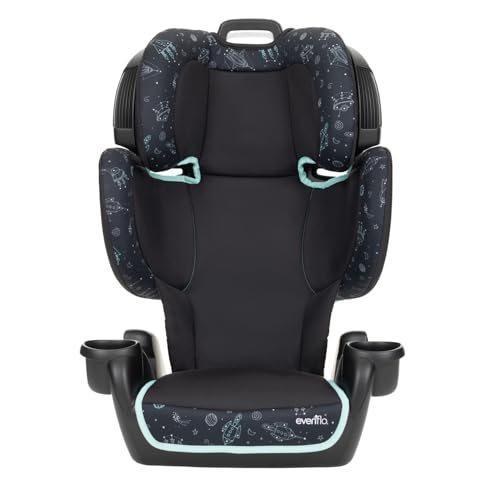
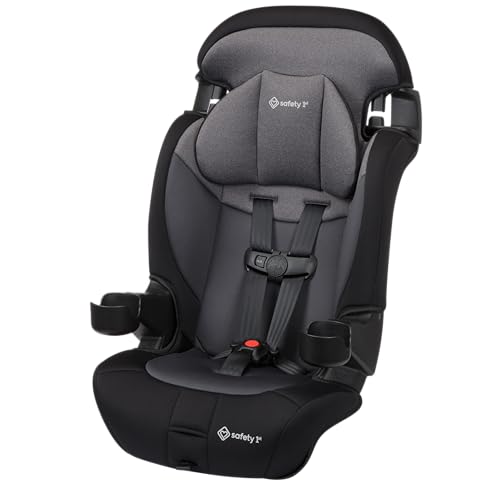
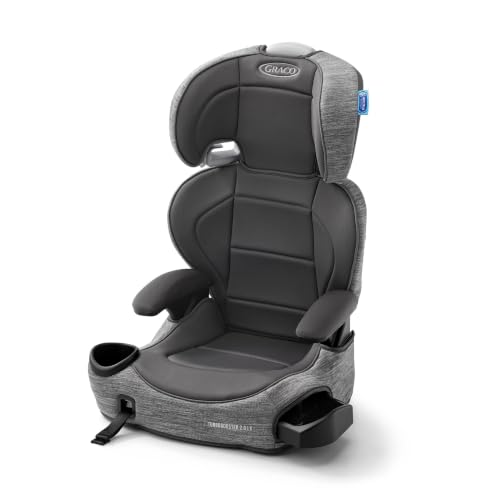
High Back Booster Car Seat: The Complete Buying Guide
Everything you need to know about high back booster car seats — from harness-to-booster conversion and side impact protection to correct seat belt fit and safe transition timing. Make an informed, confident decision for your child's safety on every journey.
Start the GuideWhy a high back booster matters: Once your child outgrows a forward-facing harness seat, a high back booster bridges the gap between a toddler car seat and an adult seat belt. It raises your child to the correct height so the vehicle's lap and shoulder belt fit properly across the strongest parts of the body. Choosing the right model — and using it correctly — is one of the most impactful safety decisions you will make during the school-age years.
What Is a High Back Booster Car Seat?
A high back booster car seat is a belt-positioning child restraint with a tall backrest and head support. Unlike a backless booster, which is essentially a raised cushion, a high back model provides a structural shell that guides the shoulder belt across the chest and offers additional head and neck protection. Most high back boosters are combination seats — they begin life as a five-point harness seat and later convert to a belt-positioning booster once the child reaches the harness weight or height limit.
This dual-mode design is why the category is sometimes called a high back booster seat with harness. The harness mode keeps younger children securely fastened with an internal five-point system, while the booster mode uses the vehicle's own seat belt to restrain an older, larger child. If you are weighing whether your child is ready for the harness-to-booster transition, the key is to follow both the seat manufacturer's limits and your child's behavioral maturity.
High back boosters are distinct from convertible car seats, which are designed for rear-facing and forward-facing use with a harness but do not convert to a belt-positioning booster. They are also distinct from all-in-one seats, which add a rear-facing stage before the forward-facing harness and booster modes. Understanding these categories helps you plan a sensible car seat timeline and avoid unnecessary purchases.
Is Your Child Ready for a Booster Seat?
Transitioning to a high back booster is not just about age — it is about size and maturity. Most children move to a booster between roughly four and seven years old, but the precise moment depends on when they outgrow the harness seat's weight or height limits. A child who still fits comfortably within the harness limits is generally safer remaining in harness mode, because a five-point harness distributes crash forces across the strongest parts of the body.
Before making the switch, confirm the following readiness signals:
- Weight and height: Your child meets the booster mode minimums printed on the seat label and has reached the harness maximums.
- Shoulder height: The child's shoulders are at or below the top harness slot in harness mode, and the booster's shoulder belt guide aligns with the shoulder in booster mode.
- Maturity: Your child can sit upright for the entire trip without slouching, leaning out of the belt, or unbuckling.
- Vehicle fit: The vehicle's lap and shoulder belt sit correctly once the child is raised on the booster.
If your child is close to the harness limit but not quite mature enough for a belt-positioning booster, a combination seat used in harness mode is often the best interim solution. Parents planning for multiple children may also want to review hybrid 3-in-1 combination booster seat options that adapt across several stages.
Key Features to Evaluate Before You Buy
Not all high back boosters are created equal. The features below separate an entry-level model from a premium one, and they directly affect daily usability and long-term safety.
Harness vs. Belt-Positioning Mode
Combination seats start with a five-point harness and convert to a booster. Confirm the harness weight and height limits, and check whether the seat includes a rethread or no-rethread harness adjustment — the latter is more convenient as your child grows.
Side Impact Protection
Deep head and torso wings absorb energy in a side collision. Look for a rigid shell, energy-absorbing foam, and a headrest that adjusts with the harness height so protection stays aligned with your child's head.
Belt-Positioning Guides
Shoulder belt guides keep the belt centered on the shoulder, while lap belt paths route the belt low across the hips. Some models include a belt-positioning clip for extra security in booster mode.
LATCH / ISOFIX Installation
Lower anchor connectors secure the booster to the vehicle so it does not become a projectile when unoccupied. Note that LATCH does not restrain the child in booster mode — the seat belt does — but it improves stability and ease of use.
Adjustable Headrest & Recline
A multi-position headrest grows with your child, and a recline feature helps match the vehicle seat angle for comfort on longer journeys. Check that the recline works in both harness and booster modes.
Fabric & Cleanability
Removable, machine-washable covers are a practical necessity for snack spills and travel. Breathable fabrics and mesh panels improve comfort in warm climates and reduce fussing on long drives.
High Back Booster Tiers Compared
The table below compares three common market tiers. Use it to match a model to your child's stage and your vehicle's layout — not as a shopping list of specific products. Descriptors reflect relative market position rather than any absolute figure.
| Tier | Best For | Typical Features | Trade-Offs |
|---|---|---|---|
| Entry-Level | Families needing a straightforward harness-to-booster seat for a single child | Five-point harness, basic side wings, rethread harness adjustment, simple fabric cover | Fewer recline positions and less padding; harness height changes require rethreading |
| Mid-Range | Growing families and daily commuters who want easier adjustments | No-rethread harness, multi-position headrest, deeper side impact wings, LATCH connectors, machine-washable cover | Heavier shell; may occupy more rear-seat width |
| Premium | Long-distance travel and families prioritizing comfort and extended usability | Premium padding, multiple recline angles, extended harness limits, rigid LATCH, breathable performance fabrics, easy-clean surfaces | Bulkier footprint; installation takes more care and time |
Mid-range models generally offer smoother harness adjustment and better padding than entry-level seats, while premium seats focus on extended usability and travel comfort. For families who need a slimmer profile in a crowded back seat, a slim booster seat with 5-point harness can be a smart compromise between space and safety features.
How to Install and Use a High Back Booster Correctly
Correct installation and daily use matter as much as the seat you choose. Follow these steps, and always defer to your seat's manual and your vehicle owner's manual when they differ.
- Choose the right seating position. The rear seat is the safest place for children under 13. If possible, use a position with a lap-and-shoulder belt and a headrest. Avoid seating positions where the vehicle belt crosses the booster shell awkwardly.
- Secure the booster in harness mode first. If your child is still in harness mode, install the seat tightly using the vehicle belt or LATCH, following the manual's routing instructions. The seat should move less than one inch at the belt path.
- Adjust the harness height. In harness mode, the shoulder straps should emerge at or just below the child's shoulders when forward-facing. Recheck as your child grows — this is a common oversight.
- Convert to booster mode at the right time. Remove the harness only when your child has reached the harness limits and meets the booster minimums. Store the harness and buckle components safely for future use if you plan to hand the seat down.
- Route the seat belt correctly. The lap belt must sit low across the upper thighs, and the shoulder belt must cross the center of the shoulder and chest. Use the seat's belt guides and never tuck the shoulder belt under an arm or behind the back.
- Check the fit every trip. A booster only works if the child sits upright and the belt stays in position. If your child slouches or the belt slips off the shoulder, the seat is not yet the right fit.
For families juggling multiple children and vehicle configurations, pairing a high back booster with a compatible stroller or travel system can simplify outings. If you are also shopping for a younger sibling, our guide to the safest affordable convertible car seat covers the earlier stage of the car seat timeline. Families planning air travel may also want to review airline-approved convertible car seats for trips where a booster is not permitted in the cabin.
Common High Back Booster Mistakes to Avoid
Even a well-chosen seat can underperform if it is used incorrectly. Watch for these frequent errors:
- Switching too early. Moving to booster mode before the harness limits are reached reduces protection. Keep the harness as long as the seat allows.
- Using a booster with only a lap belt. A high back booster requires a lap-and-shoulder belt. A lap-only belt in the center seat is not safe for booster use.
- Improper shoulder belt routing. The belt should never cross the neck or slip off the shoulder. Use the belt guide and adjust the headrest height.
- Loose LATCH installation. When the booster is unoccupied, a loose seat can shift or tip. Tighten the lower anchors and check the manual for LATCH weight limits.
- Ignoring recalls and expiry dates. Register your seat and check manufacturer recalls periodically. Plastic shells degrade over time, so respect the expiration date.
If you are also planning for a younger child's transition out of an infant seat, our overview of the lightest infant car seat on the market can help you build a coherent car seat plan from birth through the booster years.
Ready to Compare High Back Booster Options?
Browse our curated selection of high back booster car seats and find the model that fits your child's stage, your vehicle, and your daily routine.
View Recommended Seats