Single Stroller That Converts to Double: The Complete Buying Guide
Planning for a second child but not ready to buy a dedicated double stroller? A single stroller that converts to double lets you start with one seat and expand as your family grows. Here is everything you need to compare before you choose.
Explore Convertible OptionsWhy this guide matters: Parents researching a convertible stroller already know they want long-term flexibility. The real questions are about seating configurations, fold size, attachment compatibility, and whether the frame truly works in both single and double modes. This guide answers those questions in plain language so you can decide with confidence.
What Is a Single Stroller That Converts to Double?
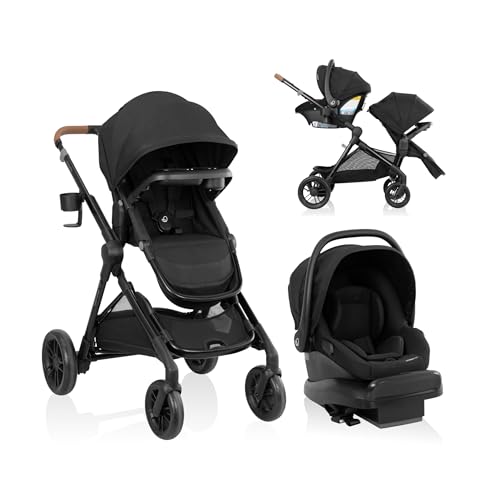
A single stroller that converts to double is a modular stroller built around an expandable frame. In its base form, it carries one seat. When your family grows, you add a second seat unit, a bassinet, or an infant car seat to the available attachment points. The result is a stroller that adapts from a one-child setup into a two-child setup without replacing the entire frame.
This category sits between a traditional single stroller and a full double stroller. It is popular with parents who are planning a second baby but want to avoid owning two separate strollers. Many models also support a car seat adapter, so the same frame can handle a newborn car seat and a toddler seat at the same time.
If you are specifically comparing infant-compatible setups, our guide to a single-to-double stroller travel system explains how car seat integration changes the equation. For families expecting twins, the conversation is different, and a double car seat stroller combo for twins is usually the more direct starting point.
How the Conversion Mechanism Works
Convertible strollers use one of three common approaches. Understanding the difference helps you avoid a frame that does not match your daily routine.
Add-On Second Seat
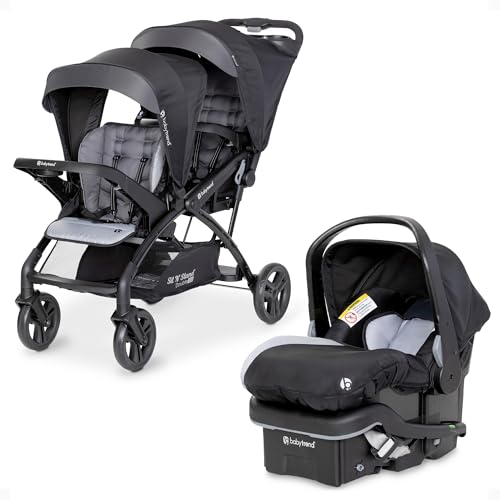
The frame has a lower or upper attachment point where a second seat clicks in. This is the most common design and usually supports tandem seating, with one child in front and one behind.
Bassinet or Car Seat Expansion
The second position accepts a bassinet or an infant car seat instead of a toddler seat. This is ideal when the second child is a newborn who cannot sit upright yet.
Side-by-Side Modular Frame
Less common in the convertible single category, but some frames widen with a second seat mounted beside the first. These tend to be wider through doorways, so measure carefully.
Whichever mechanism you choose, check that the second seat reclines independently. A shared recline system limits naptime flexibility, especially when one child is awake and the other is sleeping.
Key Features to Compare Before You Decide
The feature set separates a frame that works smoothly for years from one that feels awkward after the first month. Focus on these areas.
| Feature Area | What to Check | Why It Matters |
|---|---|---|
| Seat Configurations | Tandem vs side-by-side, reversible seats, independent recline | Determines comfort for both children and how easily you can adapt to naps and feeding stops |
| Fold and Footprint | Folded dimensions, standing fold, frame weight | Affects car trunk space, storage at home, and how often you actually use the stroller |
| Attachment Compatibility | Brand-specific car seat adapters, bassinet support | Lets you use the frame from day one with a newborn car seat instead of waiting for a toddler seat |
| Maneuverability | Wheel type, front-wheel suspension, turning radius | A loaded double setup is heavier, so steering quality becomes more important than in single mode |
| Storage | Basket capacity, accessible when both seats are mounted | A second child means more gear, and a blocked basket defeats the purpose |
| Build Tier | Entry-level, mid-range, or premium frame construction | Higher tiers typically offer smoother folding hardware and more durable joints, which matter in a frame you expand |
Seating Position and Child Comfort
Tandem convertible strollers place one child in front of the other. The front seat usually has a tighter legroom margin, while the rear seat may sit lower and closer to the basket. Test both positions if possible, and check the maximum weight rating for each seat individually, not just the combined frame limit.
Reversible seats are a meaningful upgrade for newborns and younger toddlers, because you can face them toward you during the early months. If the second seat is fixed forward-facing, plan to use a bassinet or car seat for the younger child until they are ready to face forward.
Fold Size and Everyday Portability
A convertible frame is naturally bulkier than a pure single stroller. Before committing, measure your vehicle trunk opening and the floor space where you plan to store the stroller. A standing fold is a practical bonus in hallways and entryways. If you travel by air or use public transit often, compare the folded footprint against a dedicated lightweight option, since convertible frames are rarely the most compact choice in the category.
For families who need a second stroller specifically for travel, a lightweight double stroller for travel can complement a convertible frame rather than replace it.
Who Should Choose a Convertible Single-to-Double Stroller?
This category fits a specific family profile. It is a strong choice if:
- You have one child now and are planning a second within a few years.
- You want one frame that works from newborn stage through toddler years.
- You prefer tandem seating for narrow doorways and crowded sidewalks.
- You already own a compatible infant car seat and want adapter support.
It may be less suitable if you need the most compact possible fold, if your children are close in age and both need full recline at the same time, or if you frequently lift the stroller into a vehicle alone. In those cases, comparing a dedicated lightweight double or a side-by-side model may serve you better.
Single Mode vs Double Mode: What Changes
In single mode, a convertible stroller behaves like a standard modular stroller. It is lighter, easier to steer, and the basket is fully accessible. In double mode, three things change noticeably.
- Weight distribution: A second child shifts the center of gravity, so pushing uphill and curbs requires more effort.
- Turning: Longer tandem frames need wider turns. Front-wheel suspension and a locking front wheel help on uneven pavement.
- Access: The basket can be partially blocked by the lower seat. Check whether the basket opening remains usable with both seats mounted.
These changes are normal and manageable. The key is to test the double configuration, not just the single mode, before you commit.
Compatibility Checklist Before You Buy
Convertible strollers are brand-ecosystem products. Attachment points are rarely universal. Run through this checklist:
- Confirm the second seat is sold separately or included, and whether it is in stock.
- Verify the car seat adapter matches your specific infant car seat model, not just the brand.
- Check the maximum weight for each seat position individually.
- Confirm the bassinet is approved for overnight sleep if you plan to use it that way.
- Review the warranty terms for the frame and the add-on seat separately.
If your priority is a newborn-ready setup from the start, our guide to a stroller travel system with bassinet covers how bassinet integration works alongside car seat compatibility.
Maintenance and Long-Term Durability
A convertible frame stays in service longer than a standard single stroller, so build quality matters more. Look for reinforced joints at the second-seat attachment point, a rust-proof finish on the frame, and fabric that is removable and washable. Wipe the folding mechanism periodically and check that the second-seat latch engages firmly. A well-maintained mid-range or premium frame can reasonably serve through two children, which makes it a long-term investment rather than a short-term purchase.
Store the stroller folded and dry, and avoid leaving it in direct sun for extended periods, since UV exposure degrades fabric and plastic components over time.
Frequently Asked Questions
Can a single stroller really convert into a double stroller?
Yes. A convertible single-to-double stroller uses a modular frame with attachment points for a second seat, bassinet, or car seat. You start with one seat for your first child and add the second seat unit when a new baby arrives.
At what age can a child ride in a convertible stroller second seat?
Most second seats are designed for babies who can sit upright independently, usually around six months. For younger infants, use a bassinet or infant car seat attachment on the lower position instead.
Is a single-to-double stroller heavier than a standard single stroller?
Yes, convertible frames carry more structure to support a second seat, so they generally weigh more. Compare the frame weight and folded dimensions before deciding, especially if you frequently lift the stroller into a vehicle.
Can I use a convertible stroller with only one child?
Absolutely. The core benefit is flexibility. You can run it in single mode with one seat and keep the second attachment point empty, then expand later without buying a whole new stroller.
Do I need a separate car seat adapter for a convertible stroller?
In most cases, yes. Car seat adapters are model-specific and usually sold separately. Always confirm the adapter matches your exact infant car seat model before relying on it for newborn transport.