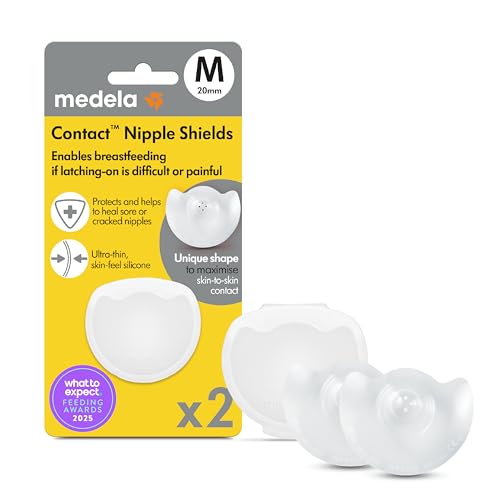
Silicone Nipple Covers for Breastfeeding: Your Complete Comfort Guide
Everything you need to know about using silicone nipple covers to protect sensitive skin, support healing, and make your breastfeeding journey more comfortable.
What Are Silicone Nipple Covers?
Silicone nipple covers are thin, flexible shields made from medical-grade silicone that fit over the nipple and sometimes the areola. While they are often associated with fashion and modesty, a growing number of breastfeeding mothers use them as a protective barrier between feedings to reduce friction, shield sore or cracked skin, and prevent breast milk from soaking through clothing.
Unlike traditional nipple shields designed for use during nursing, silicone nipple covers are typically worn inside a bra between feedings or while pumping. They create a gentle, breathable layer that keeps the sensitive nipple area protected from rubbing against fabric, breast pads, or pump flanges.
Key distinction: Nipple shields are worn during breastfeeding to assist with latch, while nipple covers are worn between feedings for comfort and protection. Understanding this difference helps you choose the right product for your needs.
For mothers navigating the early weeks of breastfeeding, nipple soreness is one of the most common challenges. Silicone covers can be a practical addition to your breastfeeding essentials, complementing other comfort tools like nipple cream and breast pads.
Types of Silicone Nipple Covers
Not all silicone nipple covers are created equal. The market offers several variations designed for different needs. Understanding the categories helps you identify which type aligns with your breastfeeding goals.
1. Protective Nipple Covers (Between Feedings)
These are the most common type for breastfeeding mothers. They feature a dome-shaped design that sits over the nipple without compressing it, allowing air circulation while protecting against friction. Many are reusable and can be worn for several hours between feedings.
2. Leak-Proof Nipple Covers
Some silicone covers include a leak-proof backing or absorbent layer to prevent milk from staining clothing. These are particularly useful for mothers with a strong let-down reflex or those returning to work who want a discreet solution.
3. Cooling and Soothing Covers
Designed for mothers experiencing engorgement or inflammation, these covers can be refrigerated before use to provide a cooling sensation that soothes tender skin. They are typically made from a softer, more gel-like silicone.
4. Adhesive vs. Non-Adhesive
Adhesive covers stick directly to the skin and are often used for special occasions or under strapless clothing. Non-adhesive covers rely on the fit of your bra to stay in place and are more suitable for daily breastfeeding use because they are easier to remove and clean.
| Type | Best For | Tier |
|---|---|---|
| Protective Nipple Covers | Daily comfort between feedings | Essential tier |
| Leak-Proof Covers | Mothers with strong let-down or returning to work | Mid-tier |
| Cooling Covers | Engorgement and inflammation relief | Specialty tier |
| Adhesive Covers | Discreet wear under special clothing | Occasion tier |
| Non-Adhesive Covers | Everyday breastfeeding use | Essential tier |
Benefits for Breastfeeding Mothers
Silicone nipple covers offer several practical advantages that can make the breastfeeding experience more manageable, especially during the challenging early weeks.
Protection from Friction and Irritation
New mothers often experience nipple soreness as their skin adjusts to frequent feeding sessions. A silicone cover creates a smooth barrier between the nipple and clothing, reducing the friction that can lead to cracking and irritation. This is particularly helpful when wearing a bra or nursing top that may rub against sensitive skin.
Support for Healing
If you are recovering from nipple damage, a silicone cover can protect the affected area from further irritation while it heals. Some covers are designed with a slightly raised center that prevents the fabric from sticking to cracked skin, which can be especially uncomfortable.
Discreet Leak Protection
For mothers who leak between feedings, silicone covers with a leak-proof design can provide an extra layer of confidence. They are thinner than traditional breast pads and can be worn under fitted clothing without visible lines.
Compatibility with Breast Pumps
Some silicone nipple covers are designed to be worn while pumping, acting as a cushion between the nipple and the pump flange. This can be helpful for mothers who find pumping uncomfortable or who are using a double electric breast pump hands-free setup and want added comfort during sessions.
Hypoallergenic and Reusable
Medical-grade silicone is generally well-tolerated by sensitive skin and is free from common allergens like latex. Most reusable covers can be washed and worn multiple times, making them a sustainable addition to your breastfeeding supplies.
Did you know? Many lactation consultants recommend silicone nipple covers as part of a comprehensive comfort strategy that also includes proper latch technique, nipple cream, and well-fitting nursing bras. If you are building your postpartum kit, consider pairing covers with other things needed for mom after giving birth.
How to Choose the Right Pair
Selecting the right silicone nipple covers depends on your specific needs, skin sensitivity, and breastfeeding routine. Here are the key factors to consider.
Material Quality
Look for covers made from medical-grade or food-grade silicone. These materials are more likely to be free from harmful chemicals and are gentler on sensitive skin. Premium materials often offer better durability and a more comfortable fit.
Fit and Size
Nipple and areola sizes vary significantly among women. A properly fitting cover should sit comfortably over the nipple without pinching or sliding. Many brands offer multiple sizes, so measure your nipple diameter before purchasing. If you are between sizes, sizing up is usually more comfortable.
Breathability
Since nipple covers are worn against the skin for extended periods, breathability is essential. Look for covers with ventilation holes or a design that allows air circulation to prevent moisture buildup, which can lead to irritation or infection.
Adhesive vs. Non-Adhesive
For daily breastfeeding use, non-adhesive covers are generally more practical because they are easier to remove and clean. Adhesive covers are better suited for special occasions or when you need a secure fit under clothing that does not provide much support.
Reusability
Reusable covers are a more sustainable option and are designed to withstand multiple washes. Check the manufacturer's instructions for cleaning and lifespan. Some covers are designed for short-term use, while others are durable enough for months of daily wear.
Compatibility with Your Routine
Consider how you plan to use the covers. If you are primarily using them between feedings, prioritize comfort and breathability. If you plan to wear them while pumping, look for covers specifically designed to fit inside pump flanges. If you are also exploring silicone manual breast pumps, you may find that silicone covers complement that approach well.
| Feature | Entry-Level | Mid-Range | Premium |
|---|---|---|---|
| Material | Basic silicone | Medical-grade silicone | Ultra-soft medical-grade silicone |
| Breathability | Minimal ventilation | Some ventilation | Advanced airflow design |
| Durability | Short-term use | Reusable for several months | Long-lasting, multiple pairs included |
| Fit Options | One size | 2–3 sizes | Multiple sizes with fit guide |
| Best For | Occasional use | Daily breastfeeding | Extended use and maximum comfort |
How to Use and Care for Your Covers
Proper use and maintenance are essential for keeping your silicone nipple covers hygienic and effective. Follow these guidelines to get the most out of your purchase.
Before First Use
Wash new covers with warm water and mild, unscented soap before wearing them for the first time. Rinse thoroughly and pat dry with a clean towel. This removes any manufacturing residue and ensures the silicone is clean against your skin.
Applying the Covers
Ensure your skin is clean and dry before applying. If using non-adhesive covers, place them over your nipples and secure them with a well-fitting bra. For adhesive covers, peel the backing off carefully and press the cover gently onto the skin, smoothing out any wrinkles.
During Wear
Check the covers periodically to make sure they are sitting comfortably and not causing any irritation. If you experience discomfort, redness, or itching, remove the covers immediately and consult your healthcare provider.
Cleaning and Storage
Wash your covers after each use with warm water and mild soap. Avoid harsh detergents or abrasive scrubbing, which can damage the silicone. Rinse thoroughly and air-dry on a clean surface. Store the covers in a clean, dry container or pouch between uses to prevent contamination.
When to Replace
Inspect your covers regularly for signs of wear, such as tears, discoloration, or loss of shape. Replace them if they no longer fit securely or if the silicone surface becomes sticky or degraded. Most reusable covers last several months with proper care.
Important: Silicone nipple covers are not a substitute for medical advice. If you are experiencing persistent nipple pain, cracked skin, or signs of infection such as redness, swelling, or fever, consult your healthcare provider or a lactation consultant promptly.
Common Mistakes to Avoid
Even with the best intentions, some mothers run into problems when using silicone nipple covers. Here are the most common pitfalls and how to avoid them.
Wearing the Wrong Size
A cover that is too small can pinch and restrict the nipple, while one that is too large may slide out of place and fail to provide protection. Measure carefully and choose a size that fits comfortably without compression.
Using Covers During Breastfeeding
Protective nipple covers are not designed to be worn during breastfeeding. If you need help with latch or nipple pain during feeding, a nipple shield—recommended by a lactation consultant—is the appropriate tool. Using the wrong product can interfere with milk transfer and cause frustration.
Neglecting Hygiene
Failing to wash your covers regularly can lead to bacterial growth and skin irritation. Establish a cleaning routine after each use and store the covers in a clean, dry place.
Wearing Covers for Too Long
While some covers are designed for extended wear, it is generally a good idea to give your skin a break between uses. Prolonged wear without ventilation can trap moisture and create an environment where yeast or bacteria can thrive.
Ignoring Skin Reactions
If you notice redness, itching, or a rash after using silicone covers, discontinue use and consult your healthcare provider. Some mothers may be sensitive to certain silicone formulations or adhesives, and a different product or approach may be needed.
Ready to Add Comfort to Your Breastfeeding Routine?
Explore our curated selection of silicone nipple covers and other breastfeeding essentials to support your journey.
Explore Top Picks Below