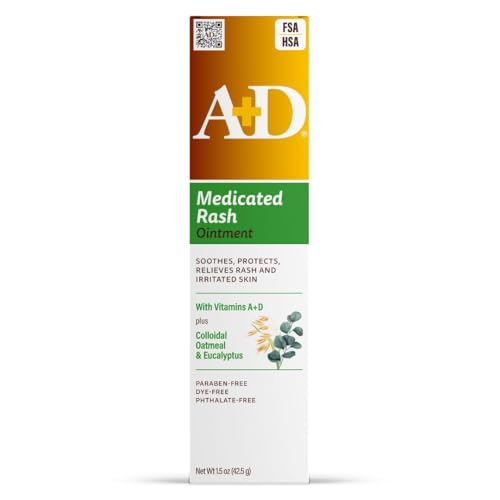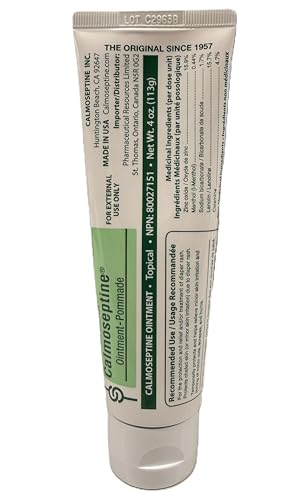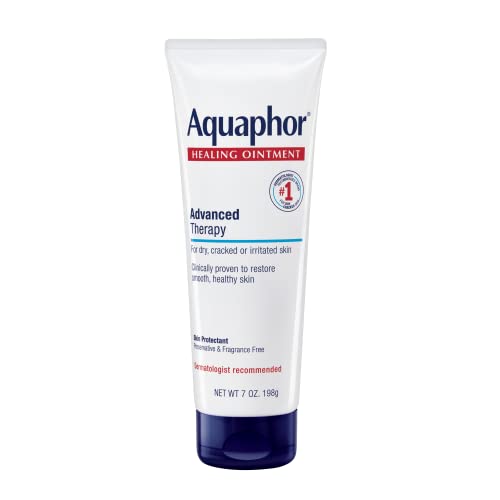
Best Rash Ointment for Babies: The Ultimate Guide
Diaper rash is one of the most common skin concerns for babies. Choosing the right rash ointment can make all the difference in soothing irritation, protecting delicate skin, and preventing future flare-ups. This guide breaks down everything you need to know — from active ingredients to application tips — so you can shop with confidence.
Understanding Diaper Rash and Why Ointment Matters
Diaper rash is a form of irritant contact dermatitis that occurs when a baby's sensitive skin is exposed to moisture, friction, and irritants from urine and feces. The warm, damp environment inside a diaper creates the perfect breeding ground for bacteria and yeast, which can quickly turn mild redness into painful, inflamed skin.
Rash ointments serve as a protective barrier between your baby's skin and the irritants. They also contain active ingredients that soothe inflammation, promote healing, and prevent infection. Understanding diaper rash causes is the first step in effective treatment and prevention.
Key Ingredients to Look For in a Rash Ointment
Not all rash ointments are created equal. The effectiveness of a product depends on its active ingredients. Here are the most common and effective ones to consider:
- Zinc Oxide: The gold standard for diaper rash treatment. Zinc oxide forms a physical barrier on the skin, repelling moisture and protecting against irritants. It also has mild astringent and antimicrobial properties.
- Petrolatum (Petroleum Jelly): A classic occlusive agent that seals in moisture and protects the skin from wetness. It's especially effective for preventing rashes and soothing mild irritation.
- Dimethicone: A silicone-based ingredient that provides a smooth, breathable barrier. It's often used in combination with other active ingredients to enhance spreadability and comfort.
- Lanolin: A natural wax derived from sheep's wool that is highly moisturizing and helps repair the skin barrier. It's excellent for severe dryness but may cause allergic reactions in some babies.
- Natural Ingredients (Calendula, Shea Butter, Coconut Oil): These plant-based ingredients offer soothing, anti-inflammatory, and moisturizing benefits. They are often found in natural and organic rash ointments.
✔️ Zinc Oxide
Best for moderate to severe rashes. Provides superior barrier protection and promotes healing.
✔️ Petrolatum
Ideal for prevention. Locks in moisture and protects against friction and wetness.
✔️ Dimethicone
Great for sensitive skin. Offers a lightweight, non-greasy barrier that is easy to apply.
✔️ Natural Oils
Perfect for parents seeking plant-based options. Soothe and nourish without synthetic additives.
How to Choose the Right Rash Ointment for Your Baby
Choosing the best rash ointment depends on your baby's specific needs, skin sensitivity, and the severity of the rash. Here's a practical guide to help you decide:
- For mild to moderate rashes: A zinc oxide ointment with a concentration of 10%–20% is usually sufficient. Look for products that are fragrance-free and hypoallergenic.
- For severe or persistent rashes: Opt for a higher concentration of zinc oxide (up to 40%) or a combination of zinc oxide and petrolatum. You may also need an antifungal cream if a yeast infection is present.
- For sensitive skin: Choose a product with minimal ingredients and no fragrances, dyes, or preservatives. Dimethicone-based or natural ointments are often better tolerated.
- For prevention: A thin layer of petrolatum or a dimethicone-based barrier cream applied at every diaper change can effectively prevent rashes.
📋 Quick Comparison: Ointment vs. Cream vs. Paste
Ointment: Thick, greasy, and highly occlusive. Best for severe rashes and nighttime protection.
Cream: Thinner than ointment, easier to spread, and less greasy. Good for moderate rashes and daily use.
Paste: Thick and absorbent, often containing zinc oxide and a clay or starch base. Ideal for weeping or oozing rashes.
Step-by-Step Guide to Applying Rash Ointment
Proper application is just as important as choosing the right product. Follow these steps to maximize the effectiveness of your rash ointment:
- Wash your hands thoroughly before and after each diaper change to prevent the spread of bacteria.
- Gently clean your baby's diaper area with warm water and a soft cloth or unscented baby wipe. Avoid scrubbing, as this can further irritate the skin.
- Pat the skin dry with a clean towel or allow it to air dry completely. Moisture trapped under the ointment can worsen the rash.
- Apply a generous layer of ointment to the affected area, ensuring it covers the entire rash and extends slightly beyond the edges to protect healthy skin.
- Do not rub the ointment in completely. A visible layer should remain on the skin to serve as a barrier.
- Change diapers frequently — ideally every 2–3 hours — and reapply the ointment each time to maintain protection.
When to See a Pediatrician
While most diaper rashes respond well to over-the-counter treatments, some cases require professional medical attention. If your baby's rash does not improve after 3 days of treatment, is accompanied by fever, blisters, or pus, or appears to be spreading, consult your pediatrician immediately.
In many cases, persistent rashes may be caused by a yeast infection (Candida) that requires a prescription antifungal cream. Your doctor can also recommend specialized creams for diaper dermatitis that are not available over the counter.
Additional Tips for Preventing Diaper Rash
- Change diapers frequently — even if they are only slightly wet.
- Allow diaper-free time each day to let your baby's skin breathe and dry out.
- Use absorbent diapers that wick moisture away from the skin.
- Avoid tight-fitting diapers and clothing that can cause friction.
- Introduce new foods gradually to identify potential allergens that may trigger rashes.
- Consider switching to swim diapers during pool time to reduce chemical irritation from chlorine.
Final Thoughts: Making the Right Choice
Selecting the best rash ointment for your baby is about understanding their unique skin needs and the severity of the rash. Whether you prefer a zinc oxide powerhouse, a gentle natural formula, or a protective petrolatum barrier, the most important factor is consistency in application and diaper changes.
Remember, every baby is different. What works for one may not work for another, so don't be afraid to try a few different products until you find the perfect match. Always patch test a new ointment on a small area of skin before applying it to the entire diaper area to ensure there is no allergic reaction.