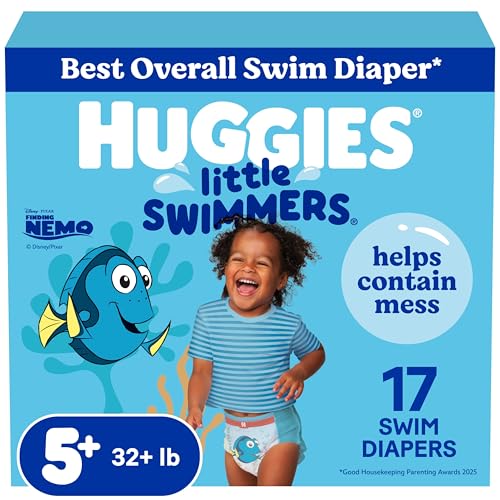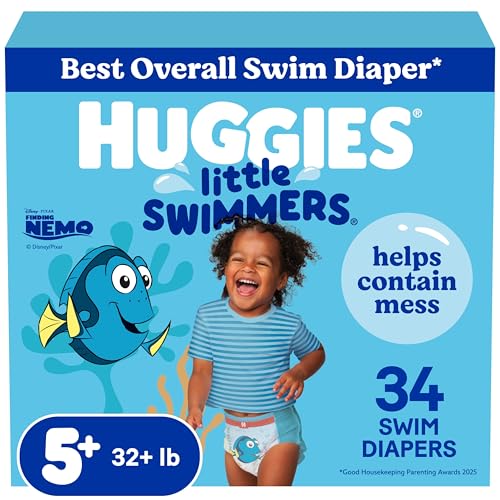
Disposable vs. Reusable Swim Diapers: Which is Right for You?
The first decision most parents face is choosing between disposable and reusable swim diapers. Both have their pros and cons, and the best choice often depends on your lifestyle, frequency of swimming, and environmental preferences.
Disposable Swim Diapers are incredibly convenient. They are perfect for occasional use, travel, or when you don't want to deal with laundry. They are typically thinner than regular diapers and have a snug fit. However, they can be more expensive over time and create more waste. For frequent swimmers, this can add up quickly. Consider your usage patterns; if you're planning a beach vacation, disposables might be the way to go. For more tips on travel essentials, check out our guide on diaper bags.
Reusable Swim Diapers are an eco-friendly and cost-effective alternative. They are made from durable, quick-drying fabrics and can be washed and reused many times. They often have adjustable snaps or velcro for a custom fit. While they require an initial investment and the effort of washing, they are much more sustainable. Many parents find them to be more reliable for containment and comfort.
When deciding, think about the fit. A diaper that is too loose will leak, while one that is too tight can be uncomfortable. Most manufacturers provide weight-based sizing. Always check the return policy when buying online, just as you would with any baby items.
Key Features to Look For
- Containment: The primary function is to hold solid waste. Look for snug leg and waistbands.
- Material: For disposables, look for a soft, hypoallergenic material. For reusables, quick-dry fabrics like polyester or nylon are preferred.
- Fit & Sizing: Most brands use weight-based sizing (e.g., 0-9 months, 9-18 months, 18-36 months).
- Ease of Use: For reusables, check if they have side snaps for easy removal, especially when the diaper is soiled.
Swim Diaper Sizing Guide
Getting the right size is crucial to prevent leaks. While most brands follow standard sizing, it’s always best to measure your baby’s waist and thigh circumference. A well-fitting swim diaper should have no gaps around the legs.
- Newborn (up to 12 lbs / 5.4 kg): Some brands offer newborn sizes, but many parents use standard small diapers if the fit is snug.
- Small (12-18 lbs / 5.4-8.2 kg): Perfect for most babies aged 3-6 months.
- Medium (18-25 lbs / 8.2-11.3 kg): Ideal for older babies and young toddlers.
- Large (25-35+ lbs / 11.3-15.9 kg): Designed for toddlers and bigger kids.
Top Tips for a Leak-Free Swim Session
Even with the best swim diaper, it's important to be prepared. Here are some practical tips to ensure a stress-free swimming experience:
- Change frequently: Swim diapers don't absorb urine, so they won't swell. However, they don't hold liquid, so it's important to take regular potty breaks for toddlers.
- Check the seal: Ensure the leg and waist bands are snug but not too tight. You should be able to fit a finger comfortably under the elastic.
- Use a swim diaper cover: For reusable options, many parents prefer a swim diaper that has a waterproof layer. For disposables, consider a neoprene cover for extra security.
- Be prepared for accidents: Always have spare diapers, wipes, and a change of clothes. For easy cleanup, a changing pad is a must-have in your pool bag.
Are Swim Diapers Safe?
Yes, swim diapers are safe for babies and toddlers. They are specifically designed to be worn in water and prevent fecal matter from leaking into the pool or ocean. However, it's important to note that they are not completely waterproof. They are meant to contain solids, not liquids (urine). Therefore, it's still important to take frequent potty breaks to avoid accidents. For more information on baby health and safety, consider reading our article on safe sleep practices.
When choosing a swim diaper, always look for brands that are BPA-free, phthalate-free, and made from safe materials. For reusable options, ensure they are made from high-quality, durable fabrics. You can also look for chlorine-resistant materials for frequent pool use. If your baby has sensitive skin, consider a diaper cream to prevent rashes. While swim diapers don't absorb urine, the friction from the water can cause irritation.
Frequently Asked Questions
Can my baby wear a swim diaper under a swimsuit?
Yes, swim diapers are meant to be worn under swimsuits. Some swimsuits even have a built-in swim diaper. However, it's best to wear a separate swim diaper for maximum protection.
How many swim diapers do I need?
For a day at the pool, bring at least 3-4 disposable diapers or one reusable with a backup. If you're using reusables, consider bringing two so you can wash one while the other dries.
Can I use a regular diaper as a swim diaper?
No. Regular diapers are designed to absorb liquid and will swell and disintegrate in water, creating a big mess. Always use a dedicated swim diaper for swimming activities.