Baby Bath Guide: Safe & Fun Bath Time
Master the art of baby bathing with our step-by-step guide. Learn the safest techniques, essential products, and tips to make every bath a bonding experience.
Shop Bath EssentialsBathing your baby for the first time can feel intimidating, but with the right preparation and knowledge, it quickly becomes a soothing routine for both of you. This comprehensive baby bath guide covers everything from choosing the best baby bathtub and gentle soaps to mastering the perfect water temperature and after-bath care. Whether you're a first-time parent or looking to refresh your routine, these expert tips will help you bathe your baby with confidence and keep bath time enjoyable.
Why Bath Time Matters
Bath time is much more than just cleaning your baby. It's a sensory experience that promotes relaxation, strengthens the parent-child bond, and can even help establish a healthy sleep routine. A warm bath before bedtime often signals to your baby that the day is winding down, making it an excellent addition to your nightly ritual. Additionally, regular bathing with the right products helps protect your baby's delicate skin from rashes and irritations. Choosing gentle, hypoallergenic baby soap and baby shampoo is crucial to maintaining their skin's natural moisture barrier.
Your Baby Bath Essentials Checklist
Before you start, make sure you have everything within arm's reach. This prevents leaving your baby unattended even for a moment.
Don't forget to check your baby towels are soft and free from harsh detergents. A hooded towel is especially great for keeping your baby's head warm.
Step-by-Step Guide: How to Bathe Your Baby
Prepare the Room & Water
Close windows to avoid drafts and warm the room to about 75°F. Fill the baby bathtub with 2–3 inches of warm water (around 98–100°F). Test with your elbow or a bath thermometer—it should feel comfortably warm, not hot.
Undress & Swaddle
Undress your baby and wrap them in a small towel or swaddle to keep them warm and calm while you gently lower them into the water. This helps prevent the shock of the temperature change.
Gently Clean from Top to Bottom
Using a soft washcloth, start with the face—use plain water or a tiny amount of gentle baby soap. Then wash the body, working from the cleanest to the dirtiest areas (generally from neck and chest down to the diaper area). Pay special attention to folds behind ears, under the neck, and between fingers and toes.
Wash Hair Last
Gently tilt your baby's head back and use a small amount of tear-free baby shampoo. Lather with your fingertips and rinse carefully, shielding the face with your hand to prevent soapy water from running into their eyes.
Lift & Wrap
Lift your baby out using your non-dominant hand supporting their head and neck and your dominant hand supporting their bottom. Immediately wrap them in a warm, hooded baby towel to prevent chilling.
Pat Dry & Moisturize
Pat (never rub) your baby's skin dry, paying attention to skin folds. Apply a gentle, fragrance-free baby lotion to lock in moisture. This is the perfect time for a baby massage. Finally, dress your baby in a clean diaper and a soft onesie.
Essential Bath Safety Tips
🔹 Never Leave Your Baby Unattended
This is the golden rule. Even a few inches of water can be dangerous. Always keep one hand on your baby.
🔹 Test Water Temperature Carefully
Use a bath thermometer or your wrist/elbow. Water should feel warm, not hot. The ideal temperature is between 98°F and 100°F.
🔹 Keep Bath Time Short
For newborns, 5–10 minutes is sufficient. Prolonged bathing can dry out their sensitive skin. As they grow, you can extend bath time to 15–20 minutes for play.
🔹 Use Products Sparingly
You don't need soap every day. Over-washing can strip natural oils. Stick to 2–3 times a week with soap, and use plain water on other days.
Choosing the Best Baby Bath Products
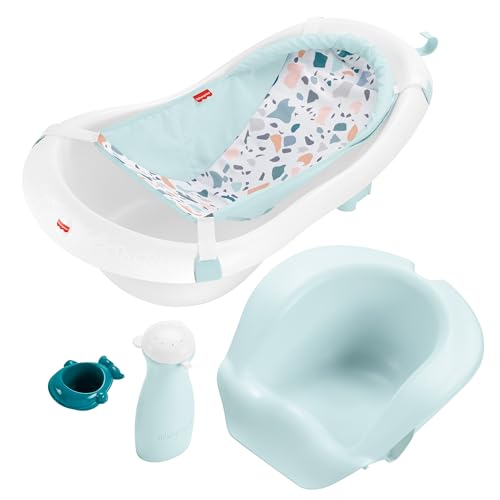
The market is flooded with options, but not all are created equal. When selecting a baby bathtub, look for one with a non-slip surface and a sloped design that supports a newborn's head and back. For soaps and shampoos, choose products that are dye-free, paraben-free, and specifically formulated for babies' sensitive skin. Baby towels made from organic cotton or bamboo are incredibly gentle and highly absorbent. A baby soap with a mild, natural scent can make bath time even more pleasant, but always test a small patch for allergies first. Don't forget accessories like a soft washcloth and a cup for rinsing—they make the process much easier.
Dealing with Common Bath Time Challenges
My baby cries during bath time. This is common. Try making the room warmer, using a bath thermometer to get the temperature just right, and talking or singing to your baby soothingly. A slow, gentle approach helps them feel secure.
Dry or flaky skin after bath. This often indicates the water is too hot or the soap is too harsh. Use lukewarm water and a gentle moisturizer immediately after patting dry. If the problem persists, consult your pediatrician.
Cradle cap. If your baby has cradle cap, gently massage a small amount of baby oil or a specialized cradle cap shampoo into the scalp, leave for a few minutes, then wash and rinse thoroughly. A soft brush can help remove the flakes.
Bathing a wriggly baby. Keep a firm but gentle grip, use a bath seat for older babies, and consider a non-slip mat in the tub. Distract them with a bath toy to make them focus on something else.
Frequently Asked Questions
How often should I bathe my newborn? 2–3 times a week is plenty for the first few months. Daily bathing can dry out their skin.
What is the best time to bathe a baby? Many parents find that a warm bath before the evening feeding and bedtime helps establish a calming routine. Choose a time when you're not rushed and your baby is alert and content.
Can I bathe my baby in the big bath? Once your baby can sit up unassisted (usually around 6 months), you can transition to a regular bathtub with a non-slip mat. Always supervise closely.
Should I use bubble bath? Avoid bubble baths and heavily scented products for babies, as they can irritate sensitive skin and cause urinary tract infections in girls.