
Complete Baby Powder Guide
Understand the types, safety considerations, and best uses for baby powder to keep your little one dry and comfortable.
Why This Guide Matters: Baby powder is a staple in many nursery routines. However, with ongoing discussions about ingredient safety and different formulations available, it's essential to make an informed choice. This guide breaks down everything you need to know—from talc vs. cornstarch to application tips and expert recommendations.
What is Baby Powder and Why Use It?
Baby powder is a finely milled powder used to absorb moisture, reduce friction, and keep skin dry. It's commonly applied to a baby's diaper area to prevent diaper rash, as well as on skin folds to prevent chafing. Beyond babies, many adults use it for similar purposes or as a dry shampoo. The key to effective use lies in choosing the right type and applying it correctly.
Talc vs. Cornstarch: Which is Safer?
Talc-Based Powder
Derived from talc, a naturally occurring mineral, this type has been used for over a century. It provides excellent moisture absorption and a silky feel. However, concerns have been raised about potential contamination with asbestos, a known carcinogen, leading to legal actions and a shift in consumer preference.
Note: Many major brands now offer talc-free versions. If you choose talc, ensure it is certified asbestos-free.
Cornstarch-Based Powder
Made from the endosperm of corn kernels, this is a popular talc-free alternative. It absorbs moisture effectively and is generally recognized as safe. It's a great choice for parents who want to avoid talc. However, cornstarch is a food-based substance, so it can potentially exacerbate diaper cream or yeast infections if the skin is broken, and it should not be inhaled.
The American Academy of Pediatrics (AAP) generally advises against using baby powder, particularly talc, due to the risk of inhalation and respiratory issues. If you choose to use it, they recommend applying it to your hands first, away from the baby's face, and then patting it onto the baby's skin. For more detailed safety guidelines, check our talc powder guide.
How to Choose the Best Baby Powder
Ingredients & Safety
- Cornstarch: A safe, natural alternative to talc.
- Arrowroot Powder: A natural, hypoallergenic option derived from a tropical root.
- Oat Flour: Soothing and beneficial for sensitive skin.
- Fragrance-Free: Best for newborns or babies with sensitive skin.
Texture & Application
- Fine Powder: Traditional form, absorbs well but can be airborne.
- Puff or Shaker: Easy to apply, but often applies too much.
- Press Powder or Solid: Less messy, reduces the risk of inhalation.
How to Safely Apply Baby Powder
- 1 Apply to Your Hands First: This minimizes the risk of the baby inhaling powder particles.
- 2 Pat, Don't Sprinkle: Gently pat the powder onto your baby's skin, avoiding the face and genital area.
- 3 Keep Away from Baby's Face: Inhalation can cause respiratory problems. Use only on the diaper area or skin folds.
- 4 Use Sparingly: A little goes a long way. Overuse can cause clumping and skin irritation.
- 5 Discontinue Use: If you notice any skin irritation, redness, or respiratory symptoms, stop using the product immediately and consult your pediatrician.
Safety Considerations & Alternatives
While baby powder is a classic product, many modern parents are exploring alternatives. The primary concern remains the risk of inhalation, which can lead to lung problems, especially in premature babies or those with existing respiratory conditions. For these reasons, the safe sleep 7 guidelines recommend avoiding powder products near the baby's sleeping area.
For those who prefer to skip powder altogether, there are effective alternatives. A high-quality diaper cream or ointment can provide a protective barrier against moisture. Additionally, frequent diaper changes and allowing the skin to air dry are the most natural and effective ways to prevent diaper rash.
If you're concerned about the environmental impact, look for powders in biodegradable or recyclable packaging. Some brands are moving towards sustainable options, allowing you to care for your baby and the planet. For a comprehensive list of safe products, check our guides on baby stuff essentials.
Top Baby Powder Picks
Based on safety, ingredient transparency, and customer reviews, here are some of the best baby powders currently available. These products are selected to help you make a confident and informed purchase.
Recommended Baby Powders & Alternatives
⚠️ AFFILIATE DISCLOSURE: This website contains affiliate links. As an Amazon Associate, we earn from qualifying purchases. If you make a purchase through these links, we may receive a small commission at no additional cost to you. Read our full affiliate policy.

Johnson's Baby Powder with Cornstarch, Aloe & Vitamin E, 15 oz | Hypoallergenic, No Added Parabens & Dyes, Designed for Delicate Skin, For Babies, Kids, & Adults

Johnson's Baby Powder with Naturally Derived Cornstarch, Aloe & Vitamin E for Delicate Skin, Hypoallergenic, Free of Parabens, Phthalates & Dyes for Gentle Baby Skin Care, 15 oz (Pack of 3)

Amazon Basics Lavender and Chamomile Cornstarch Baby Powder, Hypoallergenic, 15 oz, 1 Pack
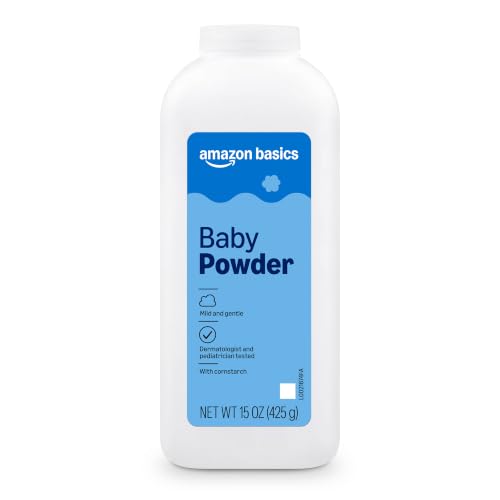
Amazon Basics Cornstarch Baby Powder, Hypoallergenic, 15 oz, 1 Pack

Johnson's Baby Naturally Derived Cornstarch Baby Powder, 1.5 oz | Hypoallergenic, No Added Parabens & Dyes for Gentle Baby Skin Care

Johnson's Baby Powder, Naturally Derived Cornstarch, Hypoallergenic, 9 oz | With Aloe & Vitamin E for Silky Skin, No Added Parabens & Dyes, Gentle Baby Skin Care

Burt's Bees Baby Dusting Powder, 7.5 Ounces | Talc-Free, Pediatrician Tested, Baby Skin Care Essential, Helps Keep Skin Soft and Dry, 100 Percent Natural Origin
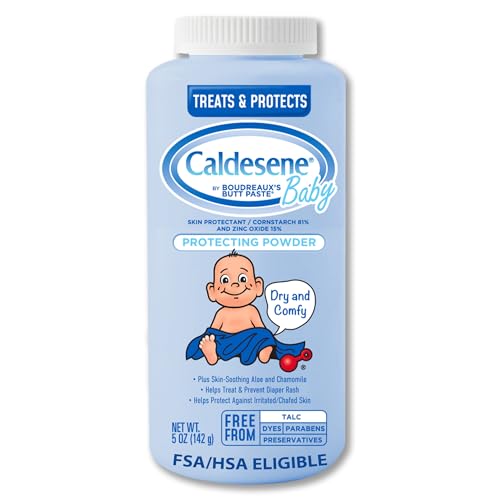
Caldesene Dry & Comfy Baby Powder with Zinc Oxide & Cornstarch, 5 Oz | Talc-Free Baby Powder, Helps Treat & Prevent Diaper Rash, Protects Against Chafed Skin
Ready to Choose the Best Baby Powder for Your Family?
Whether you prefer a classic cornstarch formula, a talc-free option, or a soothing oat-based powder, the products recommended above are a great starting point.
View Recommended Products