
Baby Powder & Talc: Complete Guide for Modern Parents
Navigate the world of baby powder with confidence. Learn about talc safety, cornstarch alternatives, and find the best talc-free powders to keep your baby dry, comfortable, and rash-free.
What You Need to Know About Baby Powder
Baby powder has been a staple in nursery care for generations, prized for its ability to absorb moisture, reduce friction, and soothe skin. However, recent discussions around talc safety have left many parents wondering: is baby powder safe? What are the best alternatives? This comprehensive guide answers all your questions, helping you make an informed choice for your little one's delicate skin.
Whether you're preparing your baby registry or looking for a safer option for daily care, understanding the differences between talc-based and cornstarch-based powders is essential. We'll break down the science, safety guidelines, and top product recommendations so you can choose with peace of mind.
Talc vs. Cornstarch: Understanding the Difference
The primary ingredients in baby powder are either talc (a naturally occurring mineral) or cornstarch (derived from corn). While both serve the same basic purpose—absorbing moisture and preventing chafing—they have distinct properties and safety profiles.
Talc-Based Powders
Talc is a soft mineral that has been used in cosmetics and baby products for over a century. It's highly effective at absorbing moisture and reducing friction, making it popular for diaper area care and overall skin comfort. However, concerns have been raised about the potential contamination of talc with asbestos, a known carcinogen. While cosmetic-grade talc is required to be asbestos-free, the debate has led many parents to seek alternatives.
Cornstarch-Based Powders
Cornstarch is a natural, plant-based alternative that has gained popularity as a talc-free option. It's gentle on sensitive skin, easily absorbs moisture, and is generally considered safe. Many parents prefer cornstarch-based powders because they are free from the controversies surrounding talc. However, cornstarch can sometimes exacerbate yeast infections (like diaper rash caused by Candida), so it's important to use it properly and consult your pediatrician if you have concerns.
If you're looking for a gentle alternative to keep your baby dry, consider pairing a cornstarch powder with a high-quality diaper cream for added protection against rashes.
Baby Powder Safety Guidelines
Whether you choose talc or cornstarch, following these safety guidelines is crucial for protecting your baby's health:
- Keep it away from the face: Avoid applying powder near your baby's nose or mouth to prevent inhalation.
- Use sparingly: A light dusting is all that's needed to absorb moisture and reduce friction.
- Check for irritation: If you notice redness, rash, or discomfort, stop using the product and consult your pediatrician.
- Store safely: Keep powder containers out of your baby's reach and in a cool, dry place.
- Choose reputable brands: Opt for products that are labeled "talc-free" or "asbestos-free" and have a good safety record.
For babies with sensitive skin or existing diaper rash, a high-quality rash ointment or diaper cream may be a better option than powder alone.
How to Choose the Best Baby Powder
With so many options on the market, selecting the right baby powder can feel overwhelming. Here's a simple framework to guide your decision:
- Ingredient preference: Decide between talc-based, cornstarch-based, or other natural alternatives (like arrowroot powder).
- Skin sensitivity: If your baby has sensitive skin or a history of allergies, choose a hypoallergenic, fragrance-free option.
- Diaper rash protection: Some powders are formulated with added ingredients like zinc oxide or aloe vera to soothe and protect.
- Ease of use: Look for powder containers with shaker tops that allow for controlled dispensing.
- Brand reputation: Choose brands with transparent ingredient lists and positive reviews from other parents.
Remember, baby powder is just one part of a complete baby care routine. For comprehensive newborn care, check out our newborn must-haves guide to ensure you have everything you need.
Talc vs. Cornstarch: Quick Comparison
Still unsure which type of powder is right for your family? This comparison table breaks down the key differences.
| Feature | Talc-Based Powder | Cornstarch-Based Powder |
|---|---|---|
| Source | Naturally occurring mineral (talc) | Derived from corn (plant-based) |
| Absorbency | Excellent; absorbs moisture effectively | Good; absorbs moisture well |
| Safety Concerns | Potential asbestos contamination (if not regulated) | Generally recognized as safe; may worsen yeast rashes |
| Skin Sensitivity | May be less irritating for some | Gentle; suitable for most skin types |
| Typical Price Range | $5–$15 | $5–$12 |
| Recommended For | Parents comfortable with talc safety standards | Parents seeking a talc-free, natural option |
* Prices are approximate and may vary by brand and retailer.
How to Apply Baby Powder Correctly
Proper application ensures your baby gets the maximum benefit from the powder while minimizing risks. Follow these steps:
- Clean and dry: Make sure your baby's skin is clean and completely dry before applying powder.
- Pour into your hand: Never shake powder directly onto your baby's skin. Pour a small amount into your palm first.
- Pat, don't rub: Gently pat the powder onto your baby's skin, focusing on the diaper area, skin folds, and any areas prone to chafing.
- Use sparingly: A little goes a long way. You only need a light dusting to absorb moisture.
- Keep it away from the face: Avoid getting powder near your baby's nose, mouth, or eyes.
- Wash your hands: After applying, wash your hands thoroughly to remove any powder residue.
For added protection during diaper changes, consider pairing powder with a reliable changing pad for a clean, comfortable surface.
Top Talc-Free Baby Powders
If you've decided to go with a talc-free option, here are some of the best cornstarch-based powders available today. These products are trusted by parents and pediatricians alike:
- Johnson's Baby Powder (Cornstarch): A classic, gentle formula that's been trusted for generations. Hypoallergenic and dermatologist-tested.
- Burt's Bees Baby Dusting Powder: Made with cornstarch and tapioca, this powder is free from talc, fragrances, and phthalates.
- Babyganics Cornstarch Baby Powder: Plant-based, fragrance-free, and pediatrician-tested. Ideal for sensitive skin.
- Earth Mama Baby Powder: Organic, talc-free, and made with calendula and chamomile for soothing properties.
- Pipette Baby Powder: Non-toxic, fragrance-free, and formulated with plant-derived squalane to moisturize and protect.
For a complete list of safe baby products, explore our baby items guide to discover more essentials for your little one.
Frequently Asked Questions
Is talc powder safe for babies?
Cosmetic-grade talc that is asbestos-free is generally considered safe when used correctly. However, many parents choose cornstarch-based powders to avoid any potential risks associated with talc.
Can cornstarch powder cause diaper rash?
Cornstarch is usually gentle and soothing. However, it can sometimes worsen yeast infections (like diaper rash caused by Candida). If your baby has a persistent rash, consult your pediatrician.
What is the best alternative to talc powder?
Cornstarch is the most popular and widely available alternative. Other natural options include arrowroot powder, tapioca powder, and kaolin clay.
How often should I apply baby powder?
Baby powder is typically applied during each diaper change or after bath time. Always clean and dry the skin before applying a fresh layer.
Can I use baby powder on my baby's face?
No, you should never apply baby powder on or near your baby's face to avoid inhalation. Instead, use a gentle moisturizer or cream for facial care.
For more expert advice on newborn care, check out our guides on baby care and parenting & development to support your journey through every stage.
Best Talc-Free Baby Powders & Alternatives
⚠️ AFFILIATE DISCLOSURE: This website contains affiliate links. As an Amazon Associate, we earn from qualifying purchases. If you make a purchase through these links, we may receive a small commission at no additional cost to you. Read our full affiliate policy.

Clubman Pinaud Finest Powder, White, Skin Soothing, 4 oz

Johnson's Baby Powder with Cornstarch, Aloe & Vitamin E, 15 oz | Hypoallergenic, No Added Parabens & Dyes, Designed for Delicate Skin, For Babies, Kids, & Adults

mGanna 100% Natural Talc Powder for Facial Make-up, Absorption, Lubrication, and Multi-Purpose 0.5 LBS / 227 GMS
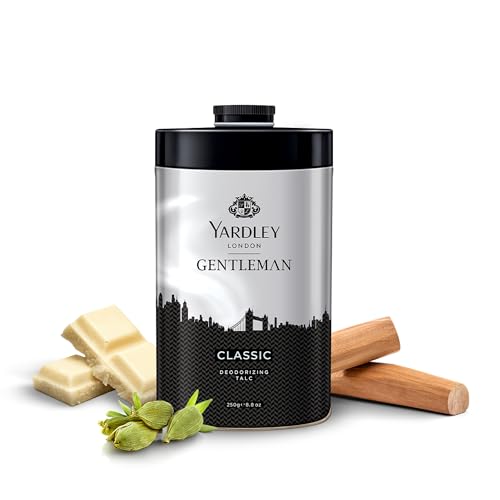
Yardley Gentleman Talcum Powder 8.8oz

Johnson's Baby Naturally Derived Cornstarch Baby Powder, 1.5 oz | Hypoallergenic, No Added Parabens & Dyes for Gentle Baby Skin Care

Gold Bond Comfort Body Powder, Talc-Free, Fresh Clean Scent, 10 oz | Vitamins A, C, & E, talc-free scented body powder for women and men, odor control, with aloe & chamomile

Clubman Pinaud Finest Body Powder, Sweat & Odor Control, 9 oz x 3 Pack | Moisture-Absorbing Grooming Essential with Cornstarch & Zinc Oxide. Prevents Chafing with Classic Barbershop Scent.
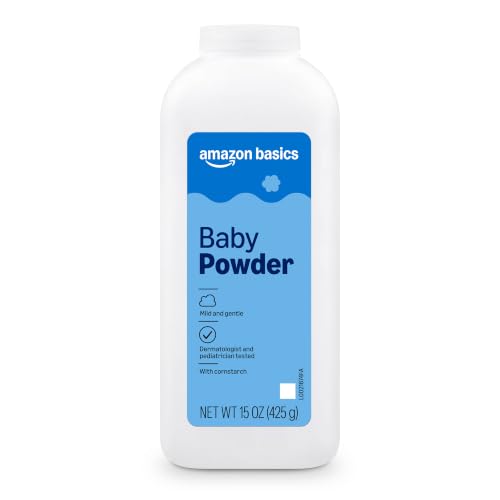
Amazon Basics Cornstarch Baby Powder, Hypoallergenic, 15 oz, 1 Pack
Disclaimer
Baby product selection and parenting decisions involve personal preferences and individual circumstances. The information provided on CradleCheck is for educational and informational purposes only. We are not medical professionals, and our content should not replace professional medical advice, diagnosis, or treatment. Always consult with your pediatrician or healthcare provider regarding your baby's health and safety. Some content may use AI assistance. Always check product safety standards and recalls before purchasing. If you do not agree, please do not use this website. Read the full disclaimer.