Potty Training Toilet Guide: Choose the Best Potty for Your Toddler
Expert advice on selecting the perfect potty training toilet. Learn about standalone potties, seat reducers, step stools, and essential features to make potty training a success.
Finding the right potty training toilet can make all the difference in your child's potty training journey. Whether you're looking for a standalone potty chair, a seat reducer for your existing toilet, or a step stool combination, this guide will help you understand the options available and choose the best fit for your toddler. With the right equipment, patience, and consistency, you can make potty training a positive experience for both you and your child.
Why the Right Potty Training Toilet Matters
The right potty training toilet can significantly impact your child's confidence and willingness to use it. A comfortable, stable, and easy-to-use potty encourages independence and reduces accidents. Conversely, a poorly chosen potty can lead to frustration, fear, and resistance, making the potty training process longer and more stressful for everyone involved. When selecting a potty, consider your child's size, mobility, personality, and your home's bathroom setup to ensure the best possible start.
Types of Potty Training Toilets
| Type | Description | Best For | Key Features |
|---|---|---|---|
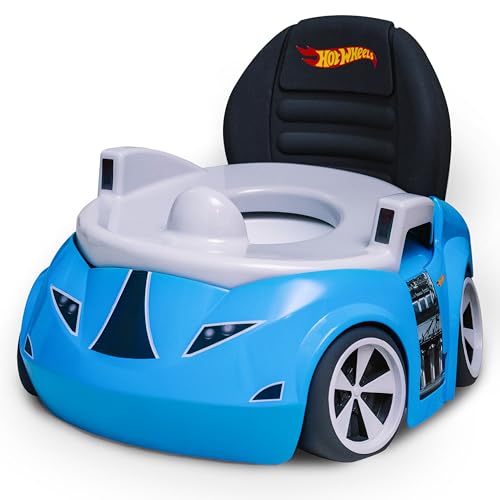
| Standalone Potty Chair | Free-standing, child-sized toilet that sits on the floor. Portable and easy to place anywhere. | Beginners, children who are fearful of the big toilet, and families who want a portable option. | Splash guard, removable bowl, easy to clean, stable base. |
| Seat Reducer Toilet Seat Reducer | Fits on top of your existing toilet seat, making the opening smaller for a child. | Children who are ready to transition to the "big" toilet and want to feel like grown-ups. | Easy to place and remove, secure fit, foldable options, handles for grip. |
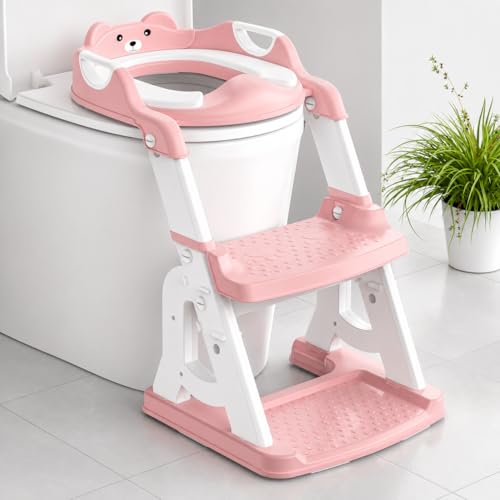
| Step Stool Potty Step Stool | Combination step stool and potty seat that helps children climb onto the regular toilet. | Children who can climb up and down safely and need extra height to reach the adult toilet. | Non-slip surface, sturdy construction, integrated seat, storage for wipes. |
Pros and Cons of Each Type
👍 Standalone Potty Chair
- Pros: Portable, can be placed in any room; child feels secure and grounded; easy to clean with removable bowl; affordable options available.
- Best with: Potty training rewards and a consistent schedule.
👎 Standalone Potty Chair
- Cons: Requires cleaning after each use; takes up floor space; child must transition to the big toilet later.
- Consider: A potty training chair with a removable bowl for easier cleaning.
👍 Toilet Seat Reducer
- Pros: Familiarizes child with the real toilet; saves space; easy to use; often includes handles for security.
- Great for: Children who want to mimic parents and older siblings.
👎 Toilet Seat Reducer
- Cons: May feel too high or unstable for some children; requires removing and replacing each time; not portable.
- Tip: Use with a children's step stool for easy access.
👍 Potty Step Stool
- Pros: Promotes independence; child can climb up and down safely; often includes a built-in seat; can be used long-term.
- Perfect for: Older toddlers transitioning to the adult toilet.
👎 Potty Step Stool
- Cons: Requires a stable adult toilet; may be bulky; child needs to be confident climber.
- Safety: Always supervise your child when using a step stool.
How to Choose the Right Potty Training Toilet
Assess Your Child's Readiness
Look for signs of readiness like staying dry for longer periods, showing interest in the bathroom, and being able to follow simple instructions. Choose a potty that matches your child's size and developmental stage.
Consider Your Home Setup
Think about your bathroom layout. Do you have space for a standalone potty? Or would a seat reducer be more practical? Consider how easy it will be to clean and maintain the potty.
Evaluate Features
Look for a splash guard (especially for boys), a removable bowl for easy cleaning, comfortable seating, and a stable, non-slip base. Some models include fun features like flushing sounds or musical rewards.
Choose a Style Your Child Will Love
Involve your child in the decision-making process. Choose a potty with their favorite colors or characters to increase their enthusiasm and willingness to use it.
Key Features to Look For
- Stability: A wide, non-slip base prevents tipping and accidents. Make sure the potty stays firmly in place.
- Splash Guard: Essential for boys (and helpful for girls too) to prevent messes. A detachable guard is easier to clean.
- Removable Bowl: Makes cleaning quick and hygienic. Look for bowls that are easy to detach and reattach.
- Comfortable Seat: A contoured seat with a smooth finish keeps your child comfortable and encourages longer sitting sessions.
- Material: Durable, BPA-free plastic that is easy to wipe clean. Avoid rough edges or sharp corners.
- Size and Portability: Consider where you'll use the potty most. If you travel often, a compact or foldable option is ideal.
- Extra Features: Some potties include flush sounds, reward charts, or even built-in wipes dispensers. These can be fun but aren't necessary for success.
Expert Tips for Successful Potty Training
🎯 Start When Ready
Don't rush the process. Most children are ready between 18 and 30 months. Look for signs of readiness rather than relying on age alone.
⭐ Use Positive Reinforcement
Celebrate every success with praise, stickers, or small rewards. A potty training rewards system can motivate your child to keep trying.
📋 Stay Consistent
Create a routine and stick to it. Take your child to the potty at regular intervals, like after meals or before bath time. Consistency helps build habits.
👕 Choose Easy-to-Remove Clothing
Dress your child in elastic-waist pants or skirts during potty training. This makes it easier for them to undress quickly and independently.
🌙 Consider Nighttime Training
Nighttime dryness often takes longer to achieve. Use potty training underwear or pull-ups at night until your child consistently wakes up dry.
📊 Track Progress
A potty training chart can help you and your child track successes and celebrate milestones. It's a visual way to see progress and stay motivated.
Frequently Asked Questions
Most children show signs of readiness between 18 and 30 months. However, every child is different. Look for signs like staying dry for at least two hours, showing interest in the bathroom, and being able to follow simple instructions. Starting too early can lead to frustration, so it's better to wait until your child is truly ready.
It depends on your child and your home setup. Standalone potty chairs are great for beginners because they feel secure and grounded. Seat reducers are useful when your child is ready to transition to the big toilet. Many families start with a standalone potty and later move to a seat reducer or step stool. You can also use both—a potty chair in the living room and a seat reducer in the bathroom.
Look for a potty with a removable bowl that can be emptied into the toilet. Wash the bowl and seat with mild soap and warm water after each use. For deeper cleaning, use a disinfectant spray (baby-safe) and wipe all surfaces. Avoid harsh chemicals that could be harmful to your child or damage the plastic.
It's common for children to feel anxious about using the toilet. Start with a standalone potty chair—it's less intimidating and feels familiar. Let your child sit on it fully clothed at first to get comfortable. Use positive language, read potty-themed books, and always praise their efforts. Never force or pressure your child; it will only increase their fear.
Potty training can take anywhere from a few weeks to a few months. Every child is different—some learn quickly, while others need more time. Factors like your child's readiness, consistency, and approach all play a role. Be patient, stay positive, and remember that accidents are a normal part of the learning process.
While not mandatory, a portable or foldable travel potty can be very convenient for trips. Some are compact enough to fit in a diaper bag and include disposable liners for easy cleanup. If you travel frequently, a portable potty can help maintain consistency and avoid public bathroom anxiety.
Start by placing the potty chair in the bathroom so your child can get comfortable with the environment. Then, gradually introduce a seat reducer or step stool. Let your child choose when they want to try the big toilet—don't force it. You can also take them to the store to pick out their own toilet seat as a special reward. Celebrate small victories during the transition to keep them motivated.
💡 Ready to Start Potty Training?
Choosing the right potty training toilet is the first step toward a successful potty training journey. Whether you opt for a standalone potty chair, a seat reducer, or a step stool, the best potty is one that your child feels comfortable and confident using. Combine the right equipment with patience, consistency, and a potty training chart, and you'll be celebrating those first successes in no time.
If you're looking for other helpful resources, check out our guides on potty training underwear and potty training rewards to support your child's progress.