Children's Step Stool Guide: Safety, Height & Best Picks
A step stool is more than just a boost—it's a tool for independence. From bathroom sinks to kitchen counters, the right stool helps your child safely reach new heights. In this guide, we'll cover everything you need to know about choosing the perfect children's step stool for your little one.
Why Your Child Needs a Step Stool
Step stools empower toddlers and young children to participate in daily routines like brushing teeth, washing hands, and helping in the kitchen. A well-chosen stool promotes confidence, fine motor skills, and a sense of responsibility. But with so many options, how do you pick the safest and most practical one for your home?
Key benefits: Promotes independence, encourages good hygiene habits, and supports Montessori-style learning at home.
Types of Children's Step Stools
🚀 Traditional Step Stool
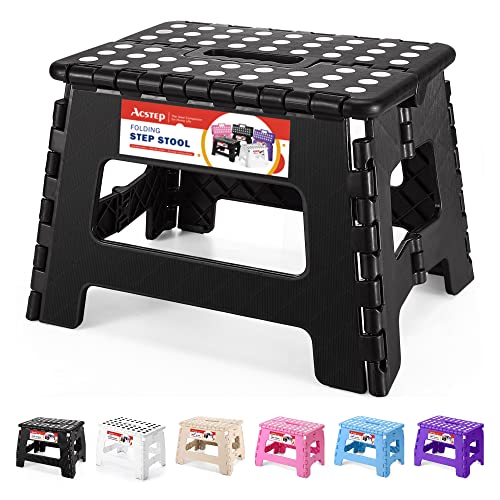
Simple, sturdy, and often foldable. These are lightweight and easy to store. Great for bathroom sinks and reaching low shelves.
🪜 Learning Tower / Kitchen Helper
Taller and enclosed, designed for kitchen counters. Allows your child to stand at counter height safely, perfect for cooking activities and Montessori play.
🛁 Non-Slip / Safety Stool
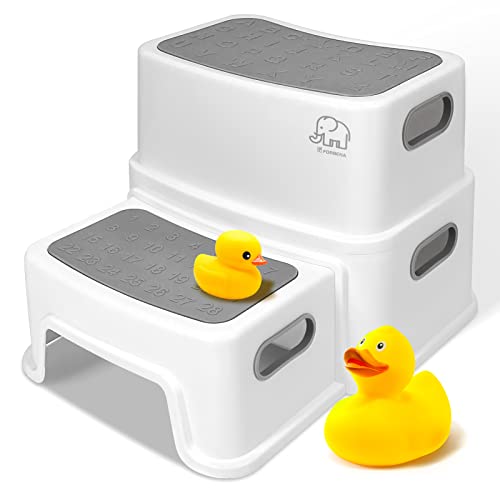
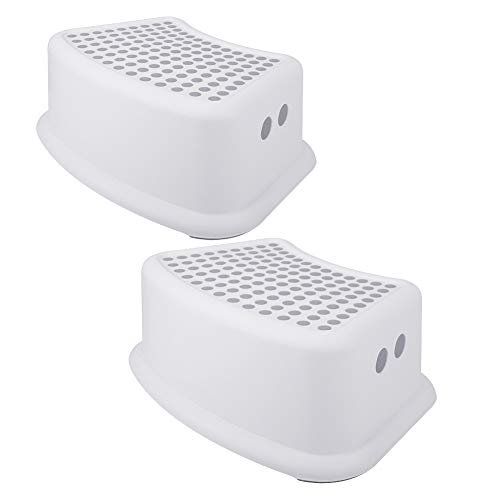
Features rubber grips on the feet and a textured top surface to prevent slips. Ideal for bathrooms where floors can get wet.
🪑 Adjustable Height Stool
Grows with your child. Some models allow you to change the height as your little one grows, offering long-term value.
Safety First: Choosing a Sturdy Stool
- Weight Capacity: Look for stools with a weight limit of at least 150 lbs to ensure durability and safety as your child grows.
- Non-Slip Feet: Rubber or silicone feet prevent the stool from sliding on hard surfaces—critical for bathroom and kitchen use.
- Wide Base: A wider base provides better stability and reduces the risk of tipping, especially for active toddlers.
- Material Quality: Solid wood or high-grade plastic are preferred. Avoid stools with sharp edges or flimsy construction.
- Easy to Clean: Choose materials that are easy to wipe down, especially if the stool will be used in the kitchen or bathroom.
Material Comparison: Wood vs. Plastic vs. Metal
| Material | Durability | Weight | Cleaning | Style | Price Range |
|---|---|---|---|---|---|
| Wood | Very high | Heavy | Wipe clean, avoid soaking | Classic, warm | $50–$120 |
| Plastic | Moderate to high | Light | Very easy, can be immersed | Modern, colorful | $25–$70 |
| Metal | High | Moderate | Easy, rust-resistant coatings | Industrial, minimalist | $40–$90 |
How to Choose the Right Step Stool for Your Child
When selecting a step stool, consider your child's age, height, and where the stool will primarily be used. For younger toddlers (1–3 years), a low, wide-base stool with non-slip features is ideal. For older children, an adjustable or taller stool may be more appropriate. If you're looking for a versatile option, an adjustable toddler table and chairs set can also serve as a learning station, though a dedicated step stool offers more portability.
If your child is just beginning to explore independence, consider a potty training toilet with a built-in step or a separate stool to help them reach the sink for handwashing. Many families also find a step stool useful in the kitchen for children's kitchen sets and cooking activities, encouraging fine motor development and family bonding.
For multi-purpose use, look for a stool that is lightweight and easy to move between rooms. Some parents prefer a toy storage organizer with a built-in step, combining functionality with organization. If your child has siblings, consider a sturdy stool like a kids bean bag chair that doubles as a seat, though a dedicated step stool remains the safest option for reaching heights.
Finally, ensure the stool is appropriate for your child's weight and height. Always supervise young children when using a step stool, especially near stairs or elevated surfaces. For extra safety, you might pair the stool with a retractable baby gate to prevent access to unsafe areas.
🌟 Expert Tip
Measure the height of your sink or counter first. The step stool should allow your child to stand with their arms at a comfortable angle to reach the faucet or workspace. A good rule of thumb: the top of the stool should be about 5–8 inches below the child's elbow when standing on the floor.