Portable Crib for Travel: The Complete Buying Guide
Everything you need to know before choosing a travel crib — from safety standards and mattress firmness to fold mechanisms, portability, and real-world setup tips for families on the go.
Explore Buying FactorsYou already know you need a travel crib. What you likely want now is confidence: which features actually matter, which safety details are non-negotiable, and how to avoid the common mistakes that turn a travel crib into a source of stress instead of a sleep solution.
This guide is written for parents in the research stage — the point where you've shortlisted a few models but want a clear, practical framework before you commit. We'll walk through construction quality, mattress design, portability trade-offs, and the setup checks that keep your baby safe on every trip.
What Exactly Is a Portable Crib for Travel?
A portable crib for travel — often called a travel crib, travel cot, or folding crib — is a lightweight, collapsible sleep space designed to be packed up, carried, and set up quickly outside the home. Unlike a full-size nursery crib, it prioritizes foldability, reduced weight, and a compact carry footprint.
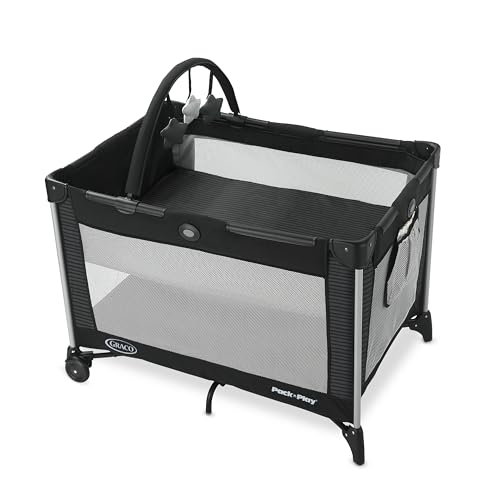
Most models share a common architecture: a foldable frame (aluminum or steel), mesh side panels for airflow and visibility, a firm base mattress, and a travel bag. Some models also include a bassinet insert for newborns, a changing station attachment, or a zip-open side panel for bedside access.
The category overlaps with portable playards and portable infant playpens, and many travel cribs are dual-rated for sleep and supervised play. If you're still narrowing the broader category, our portable crib overview covers the full landscape, while this page focuses specifically on travel use.
Key Buying Factors That Actually Matter
Travel cribs differ far more than their marketing photos suggest. Below are the factors that separate a model that genuinely works on the road from one that stays in the closet after the first trip.
1. Weight and Packed Dimensions
Weight determines whether you'll actually carry the crib through an airport, up a hotel staircase, or into a relative's guest room. Entry-level travel cribs often sit in the heavier range, while mid-range and premium models use lighter aluminum frames and thinner fabrics to reduce carry weight.
Packed dimensions matter just as much as raw weight. A crib that folds into a long, narrow bag may fit a car trunk but not an overhead compartment; a shorter, cube-like fold is easier to stow in tight spaces. Measure your vehicle's trunk and your airline's carry-on limits before committing.
- Carry strap vs. shoulder strap: a padded shoulder strap makes a meaningful difference on longer walks through terminals.
- Bag quality: reinforced stitching and a full-length zipper prevent the bag from splitting mid-trip.
- Wheels: rare on travel cribs, but some hybrid playards include them for airport floors.
2. Fold and Setup Mechanism
The single biggest day-to-day usability factor is how the crib opens and closes. Most models fall into three camps:
- Center-pull pop-up: the floor hub pulls upward to lock the frame; fast to set up, but requires some strength and can pinch fingers if rushed.
- Hinge-lock side rails: rails click into place individually; very intuitive, slightly slower to fold.
- One-hand or auto-fold: typically found at the premium and flagship tiers; the smoothest experience, often with a locking indicator.
If you'll be setting up in a dark hotel room after a late flight, prioritize a mechanism you can operate without looking. Look for audible or tactile lock confirmation — it removes guesswork about whether the frame is fully secured.
3. Mattress Firmness and Base Design
A firm, flat sleep surface is the most important safety feature of any infant sleep product. Travel crib mattresses vary widely: some are thin padded panels over a rigid board, others use a slightly thicker foam or fiber fill.
What matters is that the mattress is flat, firm, fits the frame without gaps, and is the manufacturer's original mattress. Never add a second mattress, quilt, or thick sheet on top — this creates a suffocation risk. Entry-level models typically include a basic padded board; mid-range and premium models often add a slightly cushioned, wipe-clean mattress with a removable, washable cover.
Setup check: press down on the center of the mattress. It should not compress more than about an inch. If it sinks noticeably, the base is too soft for overnight sleep.
4. Mesh Panels and Ventilation
Mesh sides serve three purposes: airflow, visibility, and fall protection. Look for mesh that extends low enough on all four sides that a baby lying down can breathe through it, and check that the mesh is securely stitched with no loose edges that could catch on clothing.
In warm climates or un-air-conditioned guest rooms, ventilation is a practical comfort issue, not just a safety footnote. A model with mesh on all four sides will feel noticeably cooler than one with solid fabric panels.
5. Safety Standards and Certification
In the United States, non-full-size cribs — which includes most travel cribs — are regulated under CPSC standards, and many models carry JPMA certification. In Europe, look for EN 716 compliance; in Australia, AS/NZS 2195.
Beyond the label, verify the following before first use:
- No gaps larger than the width of two fingers between the mattress and frame.
- No drop-side rails (drop-side designs are banned in the US for full-size cribs and are best avoided entirely).
- Locking mechanisms that cannot be released by a toddler from inside.
- No sharp edges, exposed screws, or pinch points on the frame joints.
Always register the product with the manufacturer so you receive recall notifications.
6. Age Range and Dual-Use Features
Many travel cribs include a bassinet insert rated for newborns up to a specific weight, then convert to a full play yard as the baby grows. This dual-stage design extends usable life and is especially useful if you travel with a very young infant.
If you plan to use the crib at a grandparent's house as a semi-permanent second sleep space, consider a model with a zip-open side panel for bedside access — it makes night feeding and comforting significantly easier. Our guide to a portable crib for grandparents' house covers that specific scenario in more depth.
Comparing Travel Crib Tiers at a Glance
Rather than comparing specific listings, it helps to understand how the market is structured. The table below maps general tiers to typical construction, features, and best-fit use cases.
| Tier | Typical Construction | Standout Features | Best For |
|---|---|---|---|
| Entry-level | Steel frame, basic padded board mattress, single-layer fabric | Simple center-pull fold, carry bag, mesh on two sides | Occasional trips, short stays, secondary sleep space |
| Mid-range | Aluminum frame, thicker mattress with washable cover, reinforced mesh | Hinge-lock setup, four-sided mesh, bassinet insert option | Frequent travelers, multi-night stays, bedside access needs |
| Premium | Lightweight aluminum or composite frame, premium foam mattress, high-grade fabrics | One-hand fold, locking indicators, zip-open side, travel bag with backpack straps | Frequent flyers, co-sleeping-adjacent setups, long-term second crib |
Tier descriptors reflect relative market positioning and construction quality, not a specific recommendation. Match the tier to your travel frequency and setup environment.
Travel Crib Setup and Safety Checklist
Safe setup is a habit, not a one-time task. Run through this list at every new location — hotel rooms, rental apartments, and relatives' homes all have different layouts and hazards.
- Place the crib on a flat, stable floor — never on a bed, sofa, or uneven surface.
- Keep the crib at least three feet from windows, blinds, and curtain cords.
- Remove all pillows, blankets, bumpers, and plush toys from the sleep area.
- Confirm every frame lock is engaged and the mattress sits flat with no gaps.
- Check that no electrical cords or power strips run near or under the crib.
- Position the crib away from radiators, space heaters, and direct sunlight.
- Use only the manufacturer's mattress and a fitted sheet designed for the model.
- Inspect mesh panels for tears or loose stitching before each setup.
- Place baby on their back on a firm surface for every sleep.
- Register the product for recall alerts and check the CPSC recall database periodically.
Hotel-room tip: photograph the crib setup when you first assemble it. If housekeeping or a family member moves it during the stay, you have a reference for the correct configuration.
Travel Logistics: Flying, Driving, and Staying Over
Flying: Most travel cribs are checked as oversized baggage rather than carried on. Confirm your airline's policy for infant equipment — many carriers check a crib or stroller free of charge. A bag with a clear luggage tag and a reinforced base reduces the risk of damage during handling.
Driving: Packed dimensions should fit flat in the trunk alongside luggage. A crib that folds into a long rectangle may need to go in the footwell or across the back seat. If trunk space is tight, a shorter, more cube-like fold is easier to work with.
Staying with family: If the crib will stay set up for several days, prioritize a model with a zip-open side and a slightly thicker mattress. You'll also want to confirm the room has a flat floor area large enough for the crib footprint — measure the setup dimensions, not just the packed ones.
If you're building a broader travel kit, our guides to a portable car seat for travel and a portable changing diaper pad cover the other core pieces of on-the-go baby gear.
Common Mistakes to Avoid
- Adding extra padding: a quilt, blanket, or second mattress under the baby undermines the firm sleep surface and creates a suffocation hazard.
- Skipping the lock check: a partially locked frame can collapse or create an uneven sleep surface. Always confirm every joint is secured.
- Setting up near cords: monitor cables, lamp cords, and charging cables are strangulation risks. Keep the crib clear of all of them.
- Assuming all models fit all trunks: measure packed dimensions against your vehicle before buying, especially if you drive a compact car.
- Using a hand-me-down without checking recalls: older travel cribs may predate current safety standards. Verify the model number against the CPSC recall database.
- Leaving the crib assembled in a hot car: prolonged heat can warp the mattress board and degrade mesh fabric.
Frequently Asked Questions
What should I look for in a portable crib for travel?
Prioritize a lightweight frame, a quick and secure fold mechanism, a firm flat mattress, mesh sides for airflow, and compliance with safety standards such as JPMA or CPSC. A travel bag with a padded strap and easy-clean fabrics are practical bonuses that make a real difference on multi-night trips.
Are portable cribs safe for overnight sleep during travel?
Yes, when used correctly. Choose a model that meets current safety standards, set it up on a flat surface away from cords and windows, use only the manufacturer's mattress, and always place baby on their back on a firm, flat surface. Avoid adding blankets, pillows, or bumpers inside the sleep area.
How long can a baby use a portable travel crib?
Most portable cribs accommodate infants and toddlers up to around 30 to 35 pounds, or until they begin climbing out — whichever comes first. Always check the manufacturer's weight and height limits for your specific model, and transition to a larger sleep space as soon as your child approaches those limits.
Can a portable crib double as a playpen at home?
Many portable cribs double as a play yard, giving you a safe contained space for supervised play. Check that the model is rated for both sleep and play, and never add extra padding, pillows, or toys inside the sleep area. For dedicated play setups, a portable playard may offer a larger footprint.
How do I clean a travel crib while on the road?
Wipe the frame and mattress with a damp cloth and mild soap, then air-dry completely before folding. Mesh panels can usually be spot-cleaned with a soft cloth. Avoid submerging the frame or using harsh chemicals, and never fold the crib while the mattress or fabric is still damp — moisture trapped in the fold can cause mildew.
Ready to Choose Your Travel Crib?
You now have a clear framework: prioritize a firm flat mattress, a secure fold mechanism you can operate in the dark, four-sided mesh, and verified safety certification. Use the tier comparison above to match construction quality to your travel frequency, then check availability on the models that fit your shortlist.
Explore Travel Crib Options