Non Dairy Formula for Infants: The Complete Guide
Everything parents need to know about dairy-free infant formula — plant-based options, hypoallergenic formulas, allergy considerations, and practical feeding guidance.
Why read this guide: If your baby shows signs of dairy sensitivity, has been diagnosed with a cow's milk protein allergy, or your family follows a plant-based lifestyle, choosing a non dairy formula for infants is a major decision. This guide breaks down the available categories, what to look for on labels, and how to transition safely — so you can move from research to confident purchase.
What Is Non Dairy Infant Formula?
Non dairy formula for infants is any breast milk substitute that excludes cow's milk protein and lactose as primary ingredients. Instead, these formulas rely on alternative protein sources such as soy, hydrolyzed proteins, rice, or pea protein, and carbohydrates like corn syrup solids, glucose polymers, or maltodextrin. They are designed to meet the nutritional standards set for infant formula while removing the components most commonly linked to dairy-related reactions.
It's important to distinguish between two broad scenarios: babies with a diagnosed cow's milk protein allergy (CMPA), who typically need extensively hydrolyzed or amino-acid-based formulas, and families who prefer a dairy-free lifestyle for personal or dietary reasons, who may opt for soy or plant-based formulas. The right choice depends on your baby's medical history and your pediatrician's guidance.
Key point: Always consult your pediatrician before switching formulas, especially if you suspect an allergy. Symptoms like persistent fussiness, blood in stool, eczema, or poor weight gain require professional evaluation — not a self-guided formula change.
Types of Non Dairy Formula for Infants
Non dairy formulas fall into several categories, each with distinct protein sources and intended use cases. Understanding these tiers helps you match the formula to your baby's needs rather than guessing at the shelf.
| Type | Protein Source | Best For | Tier |
|---|---|---|---|
| Soy-based formula | Soy protein isolate | Dairy-free lifestyle, lactose intolerance (not CMPA) | Essential tier |
| Extensively hydrolyzed formula | Broken-down cow's milk protein | Diagnosed mild-to-moderate CMPA | Mid-tier |
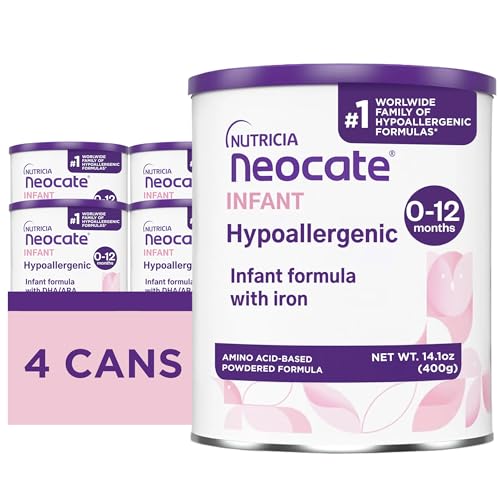
| Amino acid-based formula | Free amino acids (synthetic) | Severe CMPA, multiple food allergies | High-end tier |
| Plant-based / pea protein formula | Pea protein, rice protein | Vegan families, dairy-free preference | Premium |
| Rice protein formula | Hydrolyzed rice protein | Mild sensitivity, alternative to soy | Balanced tier |
Note that extensively hydrolyzed and amino acid-based formulas are technically derived from cow's milk protein but are processed to the point that most allergenic proteins are broken down or removed. They are clinically classified as "dairy-free" for allergy management purposes, though families strictly avoiding all dairy derivatives should read labels carefully and confirm with their pediatrician.
How to Choose the Right Non Dairy Formula
Selecting a formula is not about picking the most feature-rich option on the shelf — it's about matching the formula's design to your baby's specific situation. Here is a practical decision framework:
- Start with medical clarity. If your baby has been diagnosed with CMPA, your pediatrician will typically recommend an extensively hydrolyzed formula first, escalating to amino acid-based only if symptoms persist. Do not skip tiers without medical advice.
- Check the protein source and hydrolysis level. Soy and pea protein formulas are not appropriate for CMPA because the protein structures differ but the immune response can still be triggered in sensitive babies. Hydrolysis level matters more than marketing claims.
- Review carbohydrate and fat sources. Many non dairy formulas use corn syrup solids or maltodextrin as carbohydrate sources. If your family prefers specific carbohydrate types, compare labels across brands in the same tier.
- Confirm nutritional completeness. All infant formulas sold in regulated markets must meet nutritional standards, but check that the formula is labeled for infants from birth (0–12 months) rather than a toddler transition formula.
- Consider long-term feeding plans. If you plan to continue dairy-free feeding into toddlerhood, check whether the brand offers a follow-on or toddler version in the same line to simplify the transition.
If you're also exploring standard feeding options alongside specialty formulas, our guide to the most recommended formula milk for newborn can help you compare general categories. And for parents building a full feeding and care setup, the newborn must-haves checklist covers bottle-feeding essentials, sterilizing equipment, and feeding accessories.
Signs Your Baby May Need a Non Dairy Formula
Dairy sensitivity and cow's milk protein allergy present differently, and not every fussy baby needs a formula change. Common signs that warrant a pediatrician conversation include:
- Persistent crying or colic-like behavior after feeding
- Frequent spit-up or vomiting beyond typical reflux
- Blood or mucus in the stool
- Eczema or skin rashes that worsen after feeding
- Poor weight gain despite adequate intake
- Swelling of the face, lips, or throat (seek emergency care immediately)
For general newborn feeding and care preparation, you may find the necessary items for newborn guide useful as you set up your feeding station. If your baby is also showing signs of digestive discomfort, our article on the most effective diaper rash treatment addresses a common related concern.
Transitioning to a Non Dairy Formula
Switching formulas should be done gradually when possible, though some pediatricians recommend an immediate switch for confirmed allergies. A typical gradual transition blends increasing proportions of the new formula with the old over several days. Watch for changes in stool consistency, feeding volume, and general comfort. Keep a simple log of feeding times and any reactions — this is invaluable information for your pediatrician if adjustments are needed.
During the transition period, ensure your bottle-feeding equipment is fully cleaned and sterilized. If you're also preparing a nursery and care station, our non-toxic nursery furniture guide can help you build a safe feeding environment.
Safety and Label Reading Tips
Non dairy formulas are regulated products, but label claims can be confusing. Here's what to verify:
- "Dairy-free" does not mean "allergy-safe." A product can be dairy-free and still contain soy or other allergens.
- Check for cross-contamination warnings. Some plant-based formulas are manufactured in facilities that also process milk.
- Look for the infant formula designation. Products labeled for "toddlers" or "follow-on" are not suitable for infants under 12 months as a sole nutrition source.
- Verify the batch and expiry. Formula quality is time-sensitive; always check packaging integrity and date codes.
- Avoid homemade formulas. DIY plant-based formulas cannot replicate the nutritional profile of commercial infant formula and pose serious health risks.
Practical Feeding Tips for Dairy-Free Babies
Once you've selected a formula, consistency and hygiene matter. Prepare bottles according to the manufacturer's instructions, use cooled boiled water where advised, and discard unfinished bottles after feeding. If you're combination feeding or pumping, our guide to the most powerful breast pump on the market can help you maintain supply while managing a dairy-free diet if you're breastfeeding. For moms navigating the postpartum period, the must-haves for new moms after delivery guide covers recovery essentials that pair well with a specialty feeding plan.
If your baby is also transitioning to solid foods, keep the dairy-free approach consistent and consult your pediatrician about allergen introduction timing. Our guide to newborn books offers reading recommendations that can support your parenting journey, including titles on infant nutrition.
When to Reassess Your Formula Choice
Formula needs can change as babies grow. Reassess with your pediatrician if symptoms improve, worsen, or new reactions appear. Some babies outgrow CMPA by age one, at which point a gradual reintroduction of dairy may be appropriate under medical supervision. Others continue dairy-free feeding longer term, and the formula category you choose should evolve accordingly.
For parents also selecting a thermometer for monitoring feeding-related fevers or reactions, our review of the most accurate infant thermometer is a useful companion resource.