
Jogging Stroller With Standing Platform: The Complete Guide
Everything active families need to know about choosing a jogging stroller that lets older siblings ride along safely.
Why this guide matters: If you are an active parent with more than one child, a standard jogging stroller may leave your older toddler walking or falling behind. A jogging stroller with a standing platform bridges that gap — it gives your little one a safe spot to stand and ride while you run, walk, or navigate busy streets. This guide explains how these strollers work, what to look for, and how to match a model to your family's needs.
What You'll Learn
What Is a Jogging Stroller With a Standing Platform?
A jogging stroller with a standing platform combines two features that are usually found separately. The first is a three-wheel jogging frame — typically with a fixed or lockable front wheel, hand brake, and suspension — built for running and rough terrain. The second is a rear standing board or platform, positioned behind the main seat, where an older child can stand and hold on while the stroller moves.
These hybrid models are sometimes called "stroller boards" or "ride-on strollers." They are especially useful for families with a baby and a toddler, because the older child can hop on and off without needing a second full seat. When you are not using the platform, many models let you fold it away or remove it entirely, so the stroller performs like a standard jogger.
How the Platform Works in Practice
The platform is usually a flat, textured board attached to the rear axle area. Your older child stands facing forward, gripping the handlebar or a dedicated rear handle. Because the board sits low to the ground, it keeps the stroller's center of gravity relatively stable — but it does change the balance compared with an empty stroller. That is why manufacturers set weight limits for the platform and recommend that the standing child be old enough to hold on independently.
Key Benefits for Active Families
Parents who run, hike, or walk long distances often find that a standing platform solves a very specific problem: keeping an older child close without adding a second full seat. Here are the main advantages.
1. Keeps Siblings Together on the Move
When your baby is in the main seat and your toddler is on the platform, both children stay within arm's reach. That is valuable on busy sidewalks, at farmers markets, or during a morning run when you cannot easily stop to manage a walking toddler.
2. Avoids the Bulk of a Double Stroller
A true double jogging stroller is wide, heavy, and sometimes awkward to maneuver through doors or on narrow paths. A single jogger with a standing platform is narrower and lighter, which makes it easier to push and store. For families where the older child only occasionally needs a ride, this is a practical middle ground.
3. Extends the Useful Life of Your Stroller
Many children outgrow the main seat before they are ready to walk the entire route. The platform lets the stroller stay in service longer, which is an efficient long-term investment for a family that expects more children or wants to avoid buying a second stroller.
4. Encourages Independence
Older toddlers often want to walk, then get tired. With a standing platform, they can switch between walking and riding without a full stop-and-load routine. That flexibility tends to reduce meltdowns on longer outings.
5. Supports an Active Lifestyle
Because the core frame is a jogger, you still get the suspension, hand brake, and large wheels that make running and uneven terrain manageable. The standing platform does not usually compromise those running fundamentals when it is folded away.
Essential Features to Evaluate
Not all jogging strollers with standing platforms are built the same way. When you compare models, focus on the features below — they have the biggest impact on daily usability and safety.
Frame and Suspension
Look for a sturdy frame, ideally with a high-grade steel or reinforced aluminum construction. Suspension matters more than many parents expect: a jogger with front and rear suspension absorbs bumps on trails and uneven pavement, which is better for both the baby and the standing child. A lockable front wheel is also important for running, because a swiveling wheel can wobble at speed.
Braking System
A hand brake is essential on a jogging stroller. On a slope, the combined weight of a baby, a standing child, and gear can be significant, so you want a brake you can modulate smoothly. Check that the hand brake is reachable from the handlebar without shifting your grip awkwardly.
Standing Platform Design
The platform itself should be textured or have a grip surface so shoes do not slip. Check the weight limit for the platform, and confirm whether it folds up when not in use. Some models offer a removable platform, which gives you more flexibility. A rear handle or a section of the main handlebar that the standing child can hold is a plus.
Seat Recline and Harness
For the baby, a multi-position recline and a five-point harness are baseline requirements. If you plan to use the stroller from newborn stage, check whether the seat reclines flat or whether the model accepts a compatible infant car seat. Many joggers are not suitable for newborns without a car seat adapter, so verify this before you commit.
Folding Mechanism
Jogging strollers are larger than umbrella strollers, so a one-hand or quick-fold mechanism is genuinely useful. If storage space is tight, look for a model that folds compactly. You can compare folding options in our guide to jogging strollers that fold up small.
Adjustable Handlebar
Runners and walkers of different heights share strollers, so an adjustable handlebar improves comfort and control. See our breakdown of jogging strollers with adjustable handles for models that prioritize this feature.
Storage
A under-seat basket is standard, but check its accessibility when the platform is in use. Some designs place the basket forward of the platform, which keeps it usable; others can be partially blocked. A parent console or cup holder is a small but practical addition.
Market Tiers: Entry-Level to Premium
Jogging strollers with standing platforms fall into recognizable tiers. Instead of focusing on numbers, think about where a model sits relative to others in build quality, feature depth, and refinement.
| Tier | Typical Characteristics | Best For |
|---|---|---|
| Entry-Level | Basic fixed or lockable front wheel, simpler suspension, fabric platform, fewer accessories | Occasional walkers and light joggers on paved paths |
| Mid-Range | Better suspension, refined brake, adjustable handlebar, removable or folding platform, more storage | Regular runners who need daily convenience |
| Premium | High-grade frame materials, advanced suspension, precision hand brake, premium fabrics, thoughtful platform integration | Frequent runners, trail use, and families planning long-term use |
| Luxury | Flagship engineering, top-tier materials, refined ride quality, extensive accessory ecosystem | Dedicated runners who prioritize ride quality and longevity |
As a rule, mid-range and premium models tend to offer smoother suspension and more reliable braking than entry-level options. If you run several times a week, the upgrade usually pays off in control and comfort. If you mostly walk on flat sidewalks, an entry-level model can be a solid choice for the tier.
Safety Considerations You Cannot Skip
A standing platform changes how weight is distributed, so safety deserves extra attention. Keep these points in mind.
Respect the Platform Weight Limit
Every manufacturer sets a maximum weight for the standing child. Exceeding it affects stability and braking. Check the manual and follow it strictly.
Require a Firm Grip
The standing child should be able to hold the handlebar or a dedicated rear handle for the entire ride. If your child cannot yet grip reliably or tends to let go, the platform is not yet appropriate.
Use the Wrist Strap
Most jogging strollers include a wrist strap tether. Always loop it around your wrist when running. It prevents the stroller from rolling away if you lose your grip.
Lock the Front Wheel for Running
A swiveling front wheel is convenient for walking but can cause instability at running speed. Lock it forward before you jog.
Practice Before You Run
Load both the seat and the platform, then practice walking and turning in a quiet area. Get a feel for the altered center of gravity before you add speed or terrain.
Check for Recalls
Before buying any stroller, check the manufacturer's recall history and register your product so you receive safety notices. This is standard practice for any baby gear purchase.
How to Choose the Right Model
Start with your actual use pattern rather than the feature list. Answer these questions first.
How Often Will You Run?
Daily runners benefit from better suspension and a more precise brake. Occasional joggers can prioritize folding convenience and platform design instead.
What Is the Age Gap Between Your Children?
If your older child is around three or older and can hold on reliably, a standing platform works well. If both children are very young, a true double jogger may be more appropriate. Our guide to jogging strollers that convert to double covers that alternative.
Where Will You Use It?
Paved paths call for a simpler setup. Trails and uneven ground justify a premium suspension system. If you need something easy to transport, consider a lightweight compact jogging stroller.
Do You Need Newborn Compatibility?
Many joggers require a car seat adapter or a reclining seat for newborns. If your baby is under six months, review our guide to jogging strollers for infants under six months before deciding.
Is the Seat Direction Important to You?
Some parents prefer a seat that can face the parent. That feature is available on select models — see jogging strollers with reversible seats.
Ready to Compare Models?
Explore our curated selection of jogging strollers with standing platforms and find the one that fits your family's routine.
View Recommended ModelsRelated Stroller Guides
If you are still mapping out your stroller strategy, these guides can help you compare options.
- Jogging Stroller: General Buying Guide — the fundamentals of choosing a jogger.
- Lightweight Compact Jogging Stroller — for families who need portability.
- Jogging Stroller That Folds Up Small — storage-friendly options.
- Jogging Stroller With Adjustable Handle — comfort for different heights.
- Jogging Stroller With Reversible Seat — parent-facing options.
- Jogging Stroller That Converts to Double — when you need two full seats.
- Jogging Stroller for Infants Under 6 Months — newborn compatibility.
- Infant Car Seat and Jogger Stroller Combo — travel system options.
Frequently Asked Questions
What age is appropriate for a standing platform?
Most manufacturers recommend the platform for children who can stand independently and hold on securely, typically around age two and a half to three and up. Always check the specific model's guidelines, since weight limits and design vary.
Can I run with a child on the standing platform?
Manufacturers generally advise against running at high speed with a child on the platform. The platform is best used for walking or light jogging on smooth surfaces. For actual running, keep the platform folded and the main seat occupied by the baby only.
Does the standing platform affect the stroller's fold?
On many models, the platform folds up or removes before folding the stroller. Check the folding sequence in the manual. A few designs fold with the platform attached, which is more convenient but less common.
Is a standing platform as safe as a second seat?
A second seat with a harness offers more containment. A standing platform relies on the child's grip and balance, so it suits older, cooperative children. It is not a substitute for a harnessed seat for a younger toddler.
Can I use a jogging stroller with a standing platform from day one?
Not usually. Most joggers are not suitable for newborns without a car seat adapter or a fully reclining seat. Verify newborn compatibility before purchase, and review our guide to jogging strollers for infants under six months.
How much weight can the platform hold?
Limits vary by model, and we do not quote figures here because they differ widely. Check the manufacturer's specification for the platform's maximum weight and follow it precisely.
Recommended Jogging Strollers With Standing Platforms
⚠️ AFFILIATE DISCLOSURE: This website contains affiliate links. As an Amazon Associate, we earn from qualifying purchases. If you make a purchase through these links, we may receive a small commission at no additional cost to you. Read our full affiliate policy.

Delta Children Apollo Jogging Stroller - Shock Absorbing Frame with Large Canopy & Recline - Car Seat Compatible, Black
Check price on Amazon
Firstness Toddler Travel Stroller Foldable Baby Stroller Sit and Stand Double Stroller with Standing Platform, UPF50+ Canopy, 5-Point Harness, Kids Tray, 2 Cup Holders, Storage Basket, Black
Check price on Amazon
INFANS Sit and Stand Double Stroller, Tandem with Standing Platform | Foldable Baby Pushchair with Reclining Backrest, Adjustable Handlebar, Large Storage Basket, 5-Point Harness, UPF 50+ Canopy
Check price on Amazon
VAEUSV Lightweight Tandem Double Stroller with standing platform,Travel | 24.6 lbs, Compact fold,Reclining seat,5-point harness,Storage& Snack tray, Ideal for theme parks, travel, and daily errands
Check price on Amazon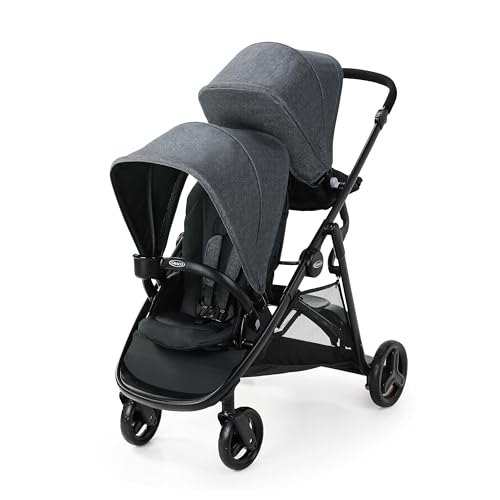
Graco Ready2Grow 2.0 Double Stroller, Rafa | 2 Stroller Seats, Bench Seat & Standing Platform; Accepts 2 Graco Infant Car Seats, Compact Fold
Check price on Amazon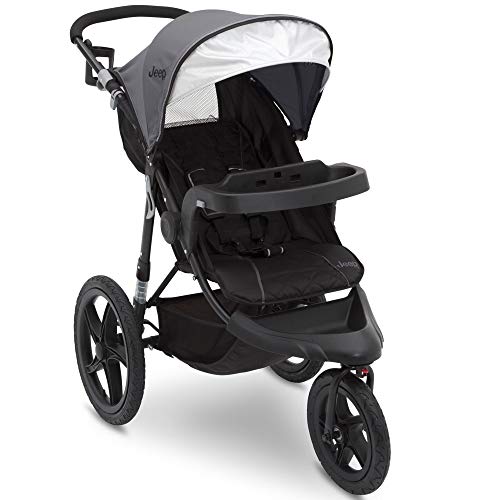
Jeep Classic Jogging Stroller, Grey
Check price on Amazon
Baby Trend Sit N' Stand Double Stroller, Onyx
Check price on Amazon
BABY JOY Sit and Stand Stroller, Foldable Double Stroller with Standing Platform, Adjustable Handlebar/Canopy/Backrest/Footrest, Safety Harness & Storage Basket for Infant and Toddler (Black)
Check price on AmazonDisclaimer
Baby product selection and parenting decisions involve personal preferences and individual circumstances. The information provided on CradleCheck is for educational and informational purposes only. We are not medical professionals, and our content should not replace professional medical advice, diagnosis, or treatment. Always consult with your pediatrician or healthcare provider regarding your baby's health and safety. Some content may use AI assistance. Always check product safety standards and recalls before purchasing. If you do not agree, please do not use this website. Read the full disclaimer.