Lightweight Compact Jogging Stroller: The Complete Buyer's Guide
For active parents who refuse to choose between a serious running stroller and a folded package that fits in the trunk, a lightweight compact jogging stroller is the answer. This guide breaks down everything you need to know before you buy.
Why this guide matters: If you have landed here, you already know you want a jogging stroller that folds small and carries light. What you likely still need is clarity on frame materials, suspension, wheel configuration, folding mechanisms, and safety standards so you can confidently choose the model that matches your running routine, vehicle, and storage space.
What a Lightweight Compact Jogging Stroller Really Is
A lightweight compact jogging stroller combines three characteristics that historically pulled in different directions: the stability and ride quality of a jogging stroller, a reduced overall weight, and a fold that compresses into a small footprint. Traditional jogging strollers are robust but heavy and awkward to store. Umbrella strollers fold small but lack the wheelbase and suspension for running. The lightweight compact jogging stroller category bridges those needs.
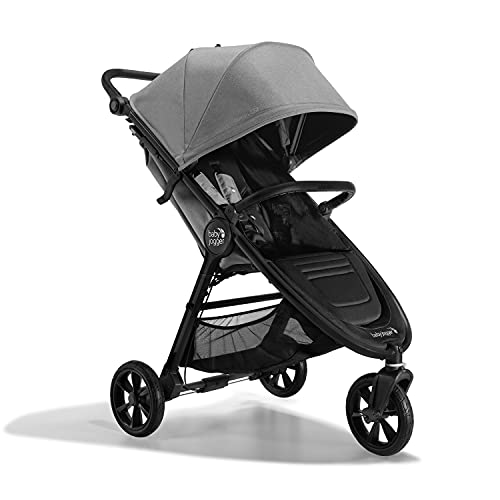
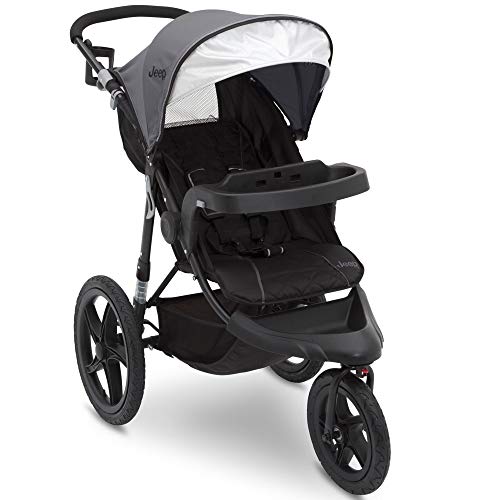
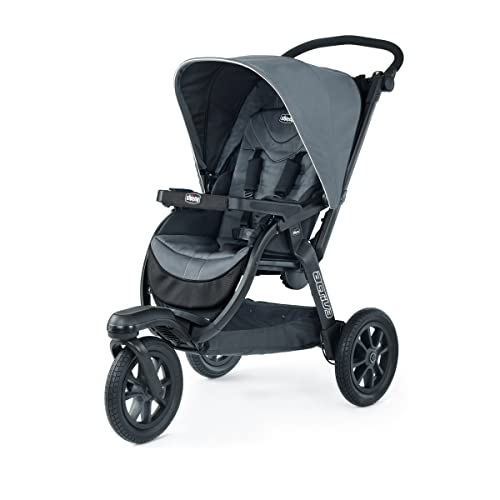
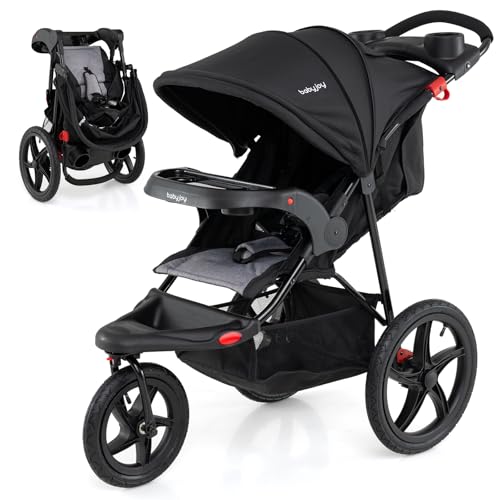
These strollers typically use aluminum frames, three-wheel configurations with a larger front wheel, and quick-release or one-hand folding systems. They are engineered for parents who jog, hike, or tackle mixed terrain while still needing the stroller to fit in a compact car trunk or a hallway closet.
Who Should Consider One
A lightweight compact jogging stroller is a strong fit for:
- Active parents who run or jog regularly and want one stroller that handles both training and daily errands.
- Urban families with limited storage who need a stroller that folds and fits into tight entryways.
- Travelers and campers who need a stroller that packs down and rolls over gravel, grass, and dirt paths.
- Parents of toddlers who can sit upright and are ready for a forward-facing jogging design.
If you primarily walk on smooth pavement and never jog, a lightweight compact stroller without the running-specific features may serve you better and save space. If you want a stroller to take on airplanes, consider a dedicated light-weight stroller for travel or a lightweight compact umbrella stroller.
Anatomy of a Jogging Stroller: What Sets Them Apart
Jogging strollers are built differently from standard strollers. Key components include:
- Three-wheel base: Two large rear wheels and one front wheel create a stable, tracking platform that handles uneven surfaces.
- Hand brake: A safety brake on the handlebar lets you slow the stroller on descents, especially important when running.
- Suspension: Shock absorption reduces vibration for the child and improves control for the parent.
- Five-point harness: A secure harness keeps the child firmly seated during motion.
- Tether strap: A wrist strap connects you to the stroller so it cannot roll away if you lose grip.
These features add weight, which is why a lightweight compact design requires careful engineering. Understanding each component helps you weigh trade-offs when comparing models.
Frame Materials & Weight Trade-offs
The frame determines both weight and durability. Aluminum is the standard for lightweight compact jogging strollers because it is strong, corrosion-resistant, and significantly lighter than steel. Higher-grade aluminum alloys and reinforced joints improve rigidity without adding bulk.
Premium models may use advanced aluminum blends or composite components to shave weight further while maintaining a solid build. Entry-level models sometimes use thicker tubing, which adds durability but also weight. When comparing strollers, look at the stated weight in the specifications and consider how often you will lift the stroller into a trunk or carry it up stairs.
A useful rule: if you jog frequently, prioritize a frame with a solid build and good suspension rather than the absolute lightest option. If you mostly walk and need portability, lean toward the lighter end of the category.
Suspension Systems Explained
Suspension is one of the most important differences between jogging stroller tiers. Entry-level jogging strollers often use rear-wheel suspension only, which handles bumps reasonably on pavement and packed trails. Mid-range models add front suspension or adjustable suspension that responds to terrain.
Premium models feature independent suspension at all three wheels, with tunable settings for different surfaces. If you plan to run on gravel or rough trails, independent suspension is worth the additional weight. On smooth bike paths, rear suspension is often sufficient.
Suspension also affects folding: complex systems can add bulk, so verify the folded dimensions before committing. The best lightweight compact jogging stroller balances suspension quality with a fold that still fits your storage space.
Wheel Configuration: Fixed vs Swivel
Front wheel design is a defining choice:
- Fixed front wheel: Tracks straight for running and provides predictable handling at speed. Less maneuverable at walking pace.
- Swivel front wheel with lock: Offers maneuverability for everyday walking and locks in place for running. This is the most versatile configuration and common in compact jogging strollers.
- Dual front wheels: Some compact models use two smaller front wheels for stability, but these are generally not true jogging designs.
For most active parents, a lockable swivel front wheel is the best compromise. It lets you navigate shops and sidewalks, then lock the wheel for a steady run. Consider tire type too: pneumatic tires absorb bumps better, while solid tires are maintenance-free but firmer.
Folding Mechanisms & Compactness
The folding mechanism is what makes a jogging stroller "compact." Common designs include:
- One-hand fold: A single lever or button collapses the stroller, often with the seat attached.
- Two-step fold: Requires two motions but can produce a smaller package.
- Standing fold: The stroller folds and stands upright on its own, useful for tight hallways and public transit.
Look for a fold that locks securely and a folded size that fits your vehicle's trunk and your home's storage. Some models offer a carry handle or shoulder strap for easier transport. A compact jogging stroller that folds flat may also be easier to store in a closet or under a bed.
If you also want a stroller that converts as your family grows, consider a jogging stroller that converts to double, though doubles are typically heavier and less compact.
Safety Features to Verify
Safety must come first. Before buying, confirm the following:
- Five-point harness: Secures shoulders, waist, and crotch, preventing the child from sliding out.
- Hand brake and wrist tether: Essential for controlled stops on slopes and in case of a fall.
- Parking brake: A foot brake that locks the wheels when stationary.
- Stability testing: A wide wheelbase and low center of gravity reduce tipping risk.
- Compliance: Look for strollers that meet relevant safety standards in your region and check for recall notices.
Always read the manufacturer's age and weight recommendations. If you need a stroller for a very young infant, see our guide on a jogging stroller for infants under 6 months and consult your pediatrician.
Age & Developmental Considerations
Most jogging strollers are designed for children who can sit upright with head and neck control, typically around six months. For younger infants, look for models with a reclining seat and a compatible infant car seat, or consider a travel system.
If you also need a car seat for travel, explore infant car seat and jogger stroller combo options and infant car seat and stroller travel system guides. For airplane travel, a lightweight car seat for airplane travel may be worth pairing with a compact stroller.
Market Tiers: Entry-Level to Premium
Lightweight compact jogging strollers fall into distinct market tiers. To help you compare without relying on numbers, we use universal quality descriptors:
Entry-Level / Essential Tier
These models cover the basics: aluminum frame, rear suspension, lockable swivel front wheel, and a multi-position recline. They are a solid choice for occasional joggers and families who prioritize a smaller folded package. Features are functional rather than refined, and the build is generally heavier than premium options.
Mid-Range / Balanced Tier
Mid-range models typically improve suspension (often all-wheel), add a more ergonomic handlebar with adjustable height, and offer a smoother fold. They are feature-rich for their class and often the best value for regular runners who also need everyday practicality. The jogging stroller with adjustable handle is a common mid-range feature worth prioritizing.
Premium / High-End Tier
Premium models use advanced aluminum alloys or composite components, independent tunable suspension, and precision folding systems. They offer the best ride quality and durability, making them a long-term investment for serious runners. They are often heavier than entry-level models because of the added engineering, so "lightweight" is relative to the category.
Luxury / Flagship Tier
Flagship models combine top-tier suspension, premium materials, and refined ergonomics with a compact fold. They are designed for parents who want the best of both worlds and are willing to accept a higher weight for maximum comfort and control.
Buying Checklist
Use this checklist to evaluate any lightweight compact jogging stroller before you commit:
- Folded dimensions fit your vehicle trunk and home storage.
- Stated weight is manageable for your lifting routine.
- Front wheel locks for running and swivels for walking.
- Suspension matches your typical running surface.
- Five-point harness, hand brake, wrist tether, and parking brake are present.
- Seat recline and canopy support your child's age and comfort.
- Handlebar height suits your body and running posture.
- Accessories (car seat adapters, rain cover) are available if needed.
- Safety standards compliance and recall history checked.
- Warranty and customer support reviewed.
Comparison Table: Tier by Tier
| Tier | Best For | Key Strengths | Trade-offs |
|---|---|---|---|
| Entry-Level | Occasional joggers, tight storage | Compact fold, basic suspension, lockable front wheel | Heavier build, fewer refinements |
| Mid-Range | Regular runners who also run errands | All-wheel or improved suspension, adjustable handle, smoother fold | Slightly larger folded size |
| Premium | Serious runners, mixed terrain | Independent tunable suspension, premium materials, precision fold | Higher weight, higher relative position in market |
| Luxury / Flagship | Parents wanting maximum comfort and control | Top-tier suspension, refined ergonomics, best ride quality | Heaviest option, most complex fold |
If you need a stroller primarily for home and short trips, a lightweight compact stroller may be the better fit. For running, the jogging-specific features described above are essential.
Common Buying Mistakes to Avoid
- Prioritizing weight over stability: The lightest option may compromise stability at running speed. Balance both.
- Ignoring folded dimensions: A compact fold that does not fit your trunk defeats the purpose.
- Overlooking the front wheel lock: Without it, running can be unpredictable.
- Forgetting the hand brake: Essential for hills and safety.
- Not checking car seat compatibility: If you need a travel system, confirm adapters and compatibility.
- Buying before the child is ready: Confirm age and developmental readiness before using a jogging stroller for runs.
For families who prefer a reversible seat, a jogging stroller with reversible seat offers flexibility, though it may add weight. Similarly, a jogging stroller with standing platform suits families with an older child who wants to ride along.
Frequently Asked Questions
Is a lightweight compact jogging stroller safe for newborns?
Most jogging strollers are designed for babies who can sit upright with head and neck control, typically around six months. For younger infants, look for models with a reclining seat and a compatible infant car seat, or check dedicated options for infants under six months.
Can I use a compact jogging stroller for everyday errands?
Yes. A lightweight compact jogging stroller with a quick-fold mechanism works well for errands, travel, and urban use, though its larger wheels make it slightly bulkier than an umbrella stroller. It shines most on mixed terrain and active outings.
What is the difference between a fixed and swivel front wheel?
A fixed front wheel tracks straight and is ideal for running, while a swivel front wheel offers maneuverability for everyday walking. Many jogging strollers let you lock the swivel wheel for running and unlock it for city use.
How much does a lightweight compact jogging stroller weigh?
Truly lightweight compact jogging strollers generally fall in the lighter half of the jogging stroller category, using aluminum frames and streamlined designs. Weight varies by tier, so check the manufacturer's specification for each model.
Should I choose a jogging stroller or a travel stroller?
Choose a jogging stroller if you run or tackle rough terrain. If you primarily fly and need a folded package for the overhead bin, a light-weight stroller for travel or an umbrella stroller may be a better fit.
Final Thoughts
A lightweight compact jogging stroller is a smart investment for active parents who need one stroller that handles running, walking, and everyday errands without taking over the trunk. Focus on frame quality, suspension, front wheel configuration, and fold size, and match the tier to your running frequency. With the right model, you get stability at speed and convenience in storage.
Explore our recommended models below to compare features and find the best fit for your family.