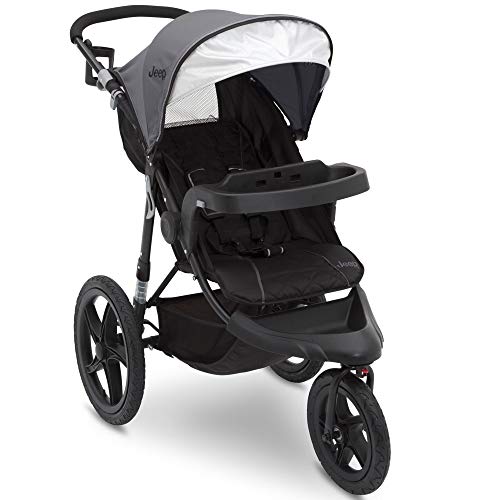
Jogging Stroller That Folds Up Small: Compact Running Prams Explained
Active parents no longer have to choose between a serious running stroller and a trunk-friendly footprint. Compact folding jogging strollers now blend stability, suspension, and portability in ways that were impossible a decade ago. This guide explains exactly how they work, what to check before buying, and which tier fits your lifestyle.
Explore Compact OptionsWho this guide is for: Parents who run, jog, or power-walk regularly and need a stroller that collapses small enough for a compact car trunk, a hallway closet, or an apartment storage nook. If you already know you want a jogging stroller but space is your limiting factor, this page is written for you.
What you will learn: The engineering trade-offs behind small-folding jogging strollers, the features that genuinely matter for running safety, a tier-based framework for choosing without relying on any numeric figures, and a practical pre-purchase checklist.
Why Compact Folding Jogging Strollers Exist
Traditional jogging strollers were engineered around one priority: stability at speed. That meant wide wheelbases, large fixed front wheels, and long frames. The result was excellent on trails but awkward in city life. A stroller that does not fit in a hatchback or a hallway quickly becomes a garage ornament.
Compact folding jogging strollers solve this by rethinking the frame. Instead of a single rigid triangle, they use folding hinge systems, telescoping or quick-release wheel axles, and sometimes a three-wheel configuration that collapses into a narrow bundle. The engineering challenge is preserving the low center of gravity and wheel alignment that make a stroller safe to run behind.
Understanding this trade-off is the foundation of a good buying decision. A small-folding jogging stroller is not simply a regular stroller with a hinge added. It is a deliberate design compromise, and the best models manage that compromise transparently.
Key Features That Define a Good Compact Jogging Stroller
When you evaluate a jogging stroller that folds up small, focus on these functional categories rather than marketing labels. Each one directly affects whether the stroller is genuinely usable for running and genuinely portable.
Fold Mechanism
One-hand folds, standing folds, and self-locking hinges make daily use far easier. A fold that requires two hands and a foot is a fold you will avoid using. Prioritize models that collapse into a stable standing position.
Wheel Size and Type
Air-filled tires absorb trail vibration best; foam-filled tires are puncture-proof and maintenance-light. Compact models often use slightly smaller wheels, so check that the front wheel still tracks straight at jogging pace.
Suspension System
Rear suspension is common; front suspension is a premium feature. For paved paths and light gravel, rear-only suspension is usually sufficient. For rougher trails, look for dual suspension.
Brake and Wrist Strap
A hand brake or at minimum a safety wrist strap is non-negotiable for running. The strap prevents the stroller from rolling away if you stumble. Confirm the model includes one before purchase.
Seat Recline and Harness
A multi-position recline supports napping children. A five-point harness with padded straps is standard on quality models. Check that the harness adjusts easily as the child grows.
Storage and Access
Under-seat baskets on compact models are necessarily smaller. Look for a parent console or handlebar pocket for keys and a phone, and confirm the basket can hold a diaper bag or water bottle.
Choosing by Tier: A Price-Neutral Framework
Because numeric figures vary by region and change over time, the most durable way to compare compact jogging strollers is by market tier. The table below uses a single consistent classification system so you can position any model you encounter.
| Tier | Typical Build Focus | Best For | What to Expect |
|---|---|---|---|
| Entry-level | Functional fold, basic rear suspension, foam tires | Occasional joggers, paved paths, tight storage | Solid choice for the tier; fold is compact but may require two hands; harness and recline are straightforward |
| Mid-range | One-hand fold, improved suspension, air or hybrid tires | Regular runners on mixed surfaces | Feature-rich for its class; smoother tracking, better brake hardware, more comfortable recline |
| Premium | Dual suspension, precision folding hinges, premium fabrics | Frequent runners, trail use, long-term investment | Heavy-duty components; near-flat recline; refined fold that stands independently |
| Luxury | Flagship engineering, modular accessories, top-tier materials | Dedicated runners who want the smallest fold without compromise | Professional-grade feel; often the most compact in its wheel class; extensive accessory ecosystem |
A useful rule of thumb: mid-range models usually offer a noticeably smoother fold and better suspension than entry-level designs, while premium and luxury tiers refine weight distribution and fabric durability. The jump from mid-range to premium is often about long-term reliability rather than a dramatic change in function.
How Small Can a Folding Jogging Stroller Really Get?
The honest answer depends on the wheel configuration. Three-wheel jogging strollers with large air tires cannot fold as flat as a lightweight umbrella stroller, because the wheels themselves set a floor on the collapsed dimensions. However, modern compact models use quick-release axles and telescoping frames to reduce the folded bundle significantly.
In practical terms, look at three measurements when comparing models:
- Folded length — the longest dimension when collapsed, which determines whether it fits across a car trunk.
- Folded width — critical for narrow hallways and apartment closets.
- Folded height — matters if you plan to store it upright or slide it under a bed frame.
Also consider the fold type. A standing fold lets the stroller rest on its own wheels or frame, which is invaluable in tight entryways. A flat fold packs more neatly into a trunk but may need to lean against a wall. If you are comparing against other portable options, our guide to a lightweight compact jogging stroller explores how weight and folded size interact.
Safety Considerations for Running With a Compact Stroller
Compact folding does not excuse compromised safety. Before you run with any jogging stroller, confirm the following:
- The front wheel locks forward for running. A swiveling front wheel is convenient for walking but unstable at jogging pace.
- A wrist strap is attached and in good condition. This is the single most important running safety feature.
- The brake engages firmly and holds the stroller on an incline.
- The five-point harness is snug and the child meets the minimum age and weight guidance.
- The tire pressure is correct (for air-filled tires) and the quick-release axles are fully locked before every run.
For families with younger infants, it is worth reviewing guidance on a jogging stroller for infants under 6 months, since most running strollers are not intended for newborns. If you are still deciding between a running stroller and a general-purpose one, our overview of the standard jogging stroller category provides useful context on fixed versus swivel wheels.
Pre-Purchase Checklist
- Measure your car trunk and storage space, then compare against the folded dimensions.
- Test the fold one-handed if possible, or watch a demonstration video of the exact model.
- Confirm the front wheel locks and the stroller includes a wrist strap.
- Check the maximum child weight and height rating against your child's growth curve.
- Verify the seat recline positions and harness adjustability.
- Decide whether you need car seat compatibility or a bassinet attachment.
- Read owner reviews specifically about fold durability after months of use.
Related Buying Guides
If your shortlist includes multiple stroller styles, these focused guides can help you narrow down:
Frequently Asked Questions
Can a jogging stroller that folds up small still handle rough terrain?
Yes. Compact jogging strollers use larger air-filled or foam tires paired with suspension systems to absorb bumps. While folding models may have slightly smaller wheels than full-size running strollers, mid-range and premium compact options handle gravel paths, park trails, and uneven sidewalks comfortably.
Is a compact folding jogging stroller suitable for newborns?
Most jogging strollers are designed for babies who can hold their head up independently, typically around six months. Some compact models offer reclining seats or car seat compatibility for younger infants, but running with a newborn is not recommended. Always check the manufacturer's minimum age and consult your pediatrician.
How small do folding jogging strollers get when collapsed?
Compact jogging strollers vary widely. Entry-level folding models may collapse to a standard trunk-friendly size, while premium compact designs can fold into a footprint similar to a large suitcase. Look for one-hand fold mechanisms and standing folds if storage space is a priority.
Do small-folding jogging strollers have hand brakes?
Many mid-range and premium compact jogging strollers include a hand brake or wrist strap for safety on inclines. Entry-level models may rely on standard foot brakes only. A wrist strap is strongly recommended for any running use, so prioritize models that include one.
Can I use a compact jogging stroller as my only stroller?
Many parents do. A compact jogging stroller can serve as a daily stroller for walks, errands, and running, provided the fold fits your car and the seat recline suits your child's age. The main limitation is under-seat storage, which is smaller than on full-size jogging strollers, so a parent console or handlebar bag is a practical add-on.