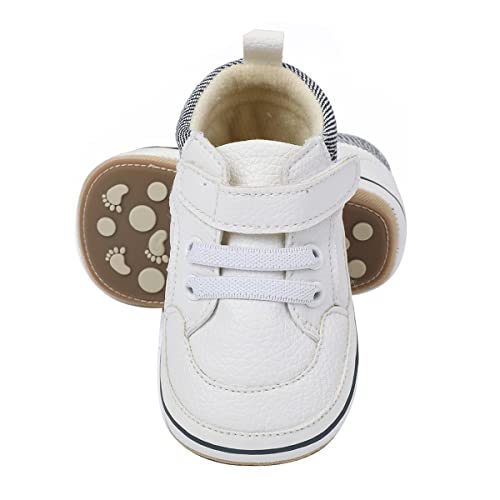
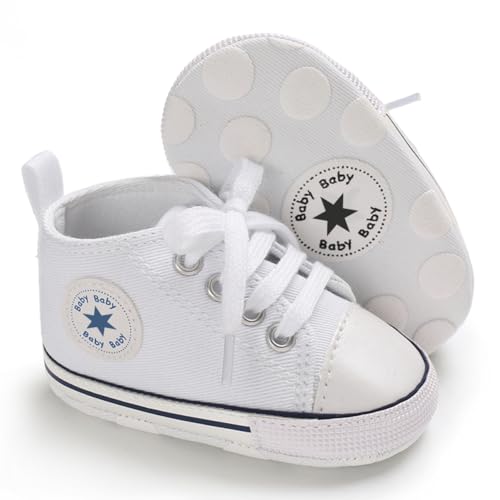
Infant Soft Bottom Shoes: The Complete Buying Guide for Healthy Foot Development
Learn how to choose flexible, safe, and comfortable first shoes that support your baby's natural walking development — from materials and fit to safety standards and top-tier recommendations.
START THE GUIDECradleCheck Philosophy: Your baby's first shoes are more than a fashion statement — they are a developmental tool. This guide walks you through everything you need to know about infant soft bottom shoes so you can make a confident, informed purchase for your little one.
Why Infant Soft Bottom Shoes Matter
During the first two years of life, a baby's foot is primarily cartilage, and the bones are still forming. Soft bottom shoes — often called soft sole or flexible sole shoes — are designed to mimic the experience of walking barefoot while offering a layer of protection from rough surfaces and cold floors. Pediatric foot specialists consistently agree that barefoot time and flexible footwear are the two most important factors in healthy foot development.
Unlike hard sole shoes, soft bottom options allow the foot to flex naturally at the toe joint, which is essential for developing arch strength, balance, and proprioception — the body's ability to sense its position in space. For babies who are just beginning to pull themselves up or take their first wobbly steps, this natural movement is critical.
If you are still deciding between styles, our guide on infant walking shoes with ankle support explains when additional support may be beneficial, while this article focuses specifically on the flexible, soft sole category that most pediatricians recommend for early walkers.
Key Features to Look For in Infant Soft Bottom Shoes
Not all soft bottom shoes are created equal. When evaluating options, pay attention to these essential characteristics:
Flexible Sole
The sole should bend easily in half — ideally at the ball of the foot — so your baby's foot can move naturally with every step.
Non-Slip Grip
A textured or rubberized bottom provides traction on smooth floors, reducing slips as your baby gains confidence.
Breathable Materials
Leather, organic cotton, and mesh allow airflow to keep little feet dry and reduce irritation.
Wide Toe Box
Your baby's toes need room to spread and grip. A rounded, wide toe box supports natural foot splay.
Secure Closure
Adjustable straps, elastic laces, or hook-and-loop closures keep shoes on active feet without pinching.
Lightweight Construction
Heavy shoes can tire early walkers. Look for lightweight materials that won't weigh down tiny legs.
Materials Matter: What to Choose
The material of infant soft bottom shoes affects breathability, durability, and comfort. Here is a breakdown of common options:
- Genuine Leather: Naturally breathable, molds to the foot over time, and durable. Often used in premium and luxury tier infant shoes. Requires gentle care to maintain suppleness.
- Organic Cotton: Soft, breathable, and gentle on sensitive skin. Best suited for indoor use or warm climates. Less durable for outdoor wear.
- Mesh Fabric: Highly breathable and lightweight, ideal for warm weather and active babies. Offers less structure than leather.
- Suede: Soft and flexible with a grippy texture, but can scuff easily and requires more maintenance.
- Faux Leather / Synthetic: Often used in entry-level and mid-range options. Easy to clean, but breathability varies by construction quality.
For babies with sensitive skin or those prone to eczema, breathable natural materials are generally the safest choice. Pair soft bottom shoes with the right socks or consider consulting your pediatrician if your baby has specific dermatological concerns.
Getting the Fit Right: A Step-by-Step Guide
Proper fit is the single most important factor in choosing infant soft bottom shoes. Shoes that are too tight can restrict growth and cause discomfort, while shoes that are too loose can cause tripping. Follow these steps:
- Measure at the end of the day: Baby feet swell slightly during the day, so measuring in the afternoon or evening gives the most accurate size.
- Measure both feet: One foot is often slightly larger than the other. Always fit to the larger foot.
- Allow room to grow: There should be approximately a thumb's width (about 1 cm) between the longest toe and the end of the shoe.
- Check the width: The shoe should be wide enough that you can pinch a small amount of material at the widest part of the foot, but not so wide that the foot slides around.
- Do the walk test: Have your baby walk a few steps. The heel should not slip excessively, and the shoe should not twist or fold awkwardly.
- Re-check every 2–3 months: Infant feet grow quickly. Regular fit checks prevent discomfort and developmental issues.
Soft Bottom vs. Hard Sole: What's the Difference?
Understanding the distinction helps you choose the right shoe for your baby's developmental stage:
| Feature | Soft Bottom Shoes | Hard Sole Shoes |
|---|---|---|
| Best For | Pre-walkers, early walkers, indoor use | Confident walkers, outdoor terrain, toddlers |
| Flexibility | Highly flexible, mimics barefoot | Structured, limited flex |
| Ground Feel | Excellent proprioception | Reduced ground feel |
| Protection | Basic (indoor, smooth surfaces) | Enhanced (rough terrain, outdoor) |
| Recommended Stage | 9–18 months (pulling up to early steps) | 18+ months or confident walking |
The general rule of thumb from pediatric podiatrists: the less shoe, the better — until your child is a confident walker who needs protection from outdoor surfaces. Our article on infant walking shoes with ankle support covers the transition to more structured footwear when the time comes.
Quality Tiers: Understanding Your Options
Infant soft bottom shoes span a wide range of quality tiers. Use this framework to match your needs and usage patterns:
| Tier | Key Characteristics | Best For |
|---|---|---|
| Entry-Level Tier | Basic synthetic materials, simple construction, minimal arch support, elastic closure | Occasional indoor use, budget-conscious families, backup pair |
| Mid-Range Tier | Leather or premium synthetic upper, reinforced stitching, non-slip rubber sole, adjustable closure | Daily wear, early walkers, combination of indoor and light outdoor use |
| Premium Tier | Genuine leather, breathable lining, ergonomic footbed, flexible rubber sole, podiatrist-designed | Frequent wear, active early walkers, families prioritizing developmental footwear |
| Luxury Tier | Handcrafted construction, organic or vegetable-tanned leather, orthopedic design, artisan detailing | Heirloom-quality first shoes, special occasions, families seeking long-term investment pieces |
Most families find that a mid-range tier soft bottom shoe offers the best balance of durability, comfort, and developmental support for daily use. Premium and luxury tier options make sense if you plan to keep the shoes as keepsakes or if your baby has specific foot development considerations.
Safety Standards and Certifications
Always verify that infant shoes meet recognized safety standards. Look for:
- Non-toxic materials: Shoes should be free from lead, phthalates, and other harmful substances. Reputable brands publish material safety information.
- Choking hazard compliance: Any decorative elements (buttons, beads, appliqués) must be securely attached and meet small parts regulations.
- Flammability standards: In many regions, children's footwear must meet flammability requirements. Check brand documentation.
- CPSC or equivalent compliance: For US-based families, the Consumer Product Safety Commission regulates children's products. Similar bodies exist in the EU (CE marking) and other regions.
Common Mistakes to Avoid
- Buying shoes too early: Babies who are not yet pulling to stand do not need shoes. Bare feet and soft booties are sufficient and preferable.
- Choosing style over fit: The most adorable shoe is useless if it doesn't fit properly. Fit should always come first.
- Ignoring the sock factor: A shoe that fits perfectly with thin socks may be too tight with thick winter socks. Account for seasonal variations.
- Skipping the break-in period: Even soft shoes may need a few short wear sessions before extended use. Watch for redness or irritation.
- Handing down worn-out shoes: While gently used soft shoes can be passed down, shoes that have molded to another child's foot may not provide proper support for a new wearer.
How to Care for Infant Soft Bottom Shoes
Proper care extends the life of your baby's shoes and keeps them hygienic:
- Air dry after wear: Remove insoles (if removable) and allow shoes to air out between uses to prevent moisture buildup and odor.
- Spot clean leather: Use a damp cloth and mild leather cleaner. Avoid soaking leather shoes in water.
- Machine wash fabric options: Some cotton and mesh shoes are machine washable on a gentle cycle. Always check the care label first.
- Check for wear: Inspect soles for thinning or loss of grip, and check stitching for unraveling. Replace shoes when they show significant wear.
- Store properly: Keep shoes in a cool, dry place away from direct sunlight to prevent material degradation.
Frequently Asked Questions
When should my baby start wearing soft bottom shoes?
Most pediatricians suggest soft bottom shoes once your baby begins pulling to stand or taking first steps, typically between 9 and 18 months. Before that, bare feet or soft booties are ideal for sensory development.
Are soft bottom shoes better than hard sole shoes for infants?
For early walkers, soft bottom shoes allow natural foot movement and better ground feel, which supports balance and muscle development. Hard sole shoes are generally recommended for confident walkers who need more protection outdoors.
How do I know if infant soft bottom shoes fit correctly?
There should be about a thumb's width of space between the longest toe and the shoe tip. The shoe should stay on when your baby walks without being too tight across the instep, and you should be able to wiggle the toes freely.
Can my baby wear soft bottom shoes outdoors?
Yes, for smooth surfaces like sidewalks, decks, and patios. For rough terrain, gravel, or extended outdoor play, consider more protective footwear. Soft bottom shoes are not designed for hiking or uneven ground.
How often should I replace my baby's soft bottom shoes?
Infant feet grow rapidly — often a half size every 2–3 months. Expect to replace shoes every 3–4 months during the first two years, or sooner if you notice significant sole wear or fit issues.
Are soft bottom shoes safe for babies with flat feet?
Most babies have flat feet naturally until around age 2–3 as arches develop. Soft bottom shoes support this natural development. However, if you have specific concerns about foot structure, consult your pediatrician or a pediatric podiatrist.
For families preparing for other milestones, you may also find our guides on infant standing activity center and infant walker with wheels helpful as your baby grows and explores new ways to move.