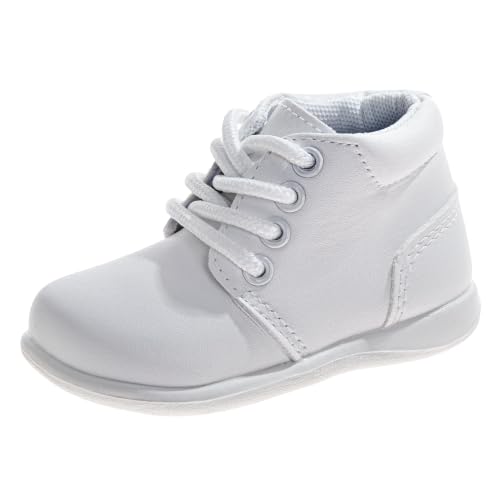
Infant Walking Shoes With Ankle Support
Everything parents need to know about choosing supportive first-walking shoes for confident, comfortable steps.
Why ankle support matters for first steps: When your baby transitions from cruising to walking, their ankles are still developing strength and stability. The right footwear can provide gentle guidance without restricting natural movement. This guide breaks down what to look for in infant walking shoes with ankle support, helping you make an informed choice for your little one's developmental milestone.
Understanding Baby Foot Development
Before diving into shoe features, it helps to understand what is happening inside those tiny feet. Infant feet are mostly cartilage at birth, gradually ossifying into bone over the first few years. The arch is not fully formed, and the ankle joint is flexible—which is why support and flexibility must be balanced carefully.
During the early walking stage (typically between 9 and 18 months), podiatrists and pediatric physical therapists often recommend shoes that offer a balance of ankle stability and sole flexibility. Too much rigidity can interfere with natural foot movement, while too little support may leave ankles vulnerable during wobbly steps. If you're also preparing your nursery and home for a newly mobile baby, our guide on things you actually need for a newborn can help you set up a safe environment.
Key Features to Look For
Ankle Support
A high-top or mid-top design with a padded collar can help stabilize the ankle without limiting range of motion. Look for shoes that hug the ankle gently—supportive but not compressive.
Flexible Sole
The sole should bend easily at the ball of the foot. A flexible sole allows natural foot flexion, which is essential for developing balance and muscle strength.
Secure Closure
Hook-and-loop straps or elastic laces make it easy to achieve a snug, adjustable fit. Avoid slip-on styles that can cause tripping or poor support.
Breathable Materials
Leather, mesh, or breathable textiles help regulate temperature and reduce moisture, keeping little feet comfortable during active play.
Wide Toe Box
A roomy toe box gives toes space to splay naturally, which supports balance and healthy foot development. Avoid shoes with narrow, tapered toes.
Lightweight Construction
Heavy shoes can tire new walkers quickly. Choose lightweight designs that feel almost like an extension of the foot.
Comparing Shoe Tiers
Infant walking shoes generally fall into three tiers based on construction, materials, and design features. Understanding these tiers helps you set realistic expectations and choose the right shoe for your family's needs.
| Tier | Best For | Typical Features |
|---|---|---|
| Entry-Level Tier | Casual indoor use, budget-conscious families | Simple construction, basic ankle padding, flexible sole, limited color options |
| Mid-Range Tier | Daily walking, outdoor use, balanced needs | Quality materials, reinforced ankle support, breathable linings, adjustable straps |
| Premium Tier | Frequent outdoor walking, maximum comfort | Premium leather or technical fabrics, ergonomic design, superior padding, durable construction |
How to Get the Right Fit
Proper fit is the single most important factor in shoe comfort and safety. Follow these steps when trying on new walking shoes:
- Measure at the end of the day: Baby feet can swell slightly, so measure when feet are at their largest.
- Leave a thumb's width of space: There should be about 1 cm (roughly a thumb's width) between the longest toe and the shoe's end.
- Check the width: The shoe should feel snug around the heel and midfoot without pinching the toes.
- Test the flex point: The shoe should bend where the foot naturally bends—at the ball of the foot, not the middle of the arch.
- Walk and observe: Let your baby walk a few steps. Watch for heel slippage, tripping, or signs of discomfort.
- Re-measure every 2–3 months: Baby feet grow quickly. Regular checks prevent shoes from becoming too tight.
For parents also considering outdoor play and mobility accessories, our article on wooden stacker toys offers developmental play ideas that complement physical milestones.
Safety Considerations
When choosing infant walking shoes with ankle support, keep these safety points in mind:
Non-Slip Soles
Rubber or textured soles provide traction on smooth indoor surfaces and uneven outdoor terrain, reducing slips and falls.
No Loose Parts
Avoid shoes with decorative elements that could detach and become choking hazards. Check that straps and closures are securely attached.
Proper Ventilation
Good airflow reduces the risk of fungal infections and keeps feet dry during active play.
Toe Protection
A slightly reinforced toe cap protects against stubbed toes during the learning-to-walk phase.
When Should Babies Start Wearing Walking Shoes?
Most pediatric physical therapists recommend barefoot walking indoors for as long as possible, as bare feet provide the best sensory feedback for developing balance and coordination. Walking shoes become important when your baby walks outdoors or on rough, cold, or potentially hazardous surfaces.
Signs your baby is ready for walking shoes:
- Your baby is consistently pulling to stand and cruising along furniture.
- They take several independent steps without support.
- They walk confidently on different indoor surfaces.
- You plan to walk outdoors regularly.
Until then, soft-soled booties or socks with grips are usually sufficient for indoor use. For more on developmental milestones and preparing your home, see our guide on 2 month old sleeping through the night for related parenting insights.
Frequently Asked Questions
Do infant walking shoes really need ankle support?
Ankle support can be beneficial for new walkers, especially during the early stages when balance is still developing. However, the support should be gentle and not restrict natural movement. A shoe with a padded collar and secure closure often provides adequate support without being overly rigid.
How often should I replace my baby's walking shoes?
Baby feet grow quickly—often a half size every two to three months. Check the fit regularly and replace shoes when there is less than a thumb's width of space at the toe. Also replace shoes that show significant wear on the soles, as worn soles reduce traction and support.
Can my baby wear walking shoes all day?
For indoor use, barefoot time is still best for foot development. Reserve walking shoes for outdoor activities or when protection is needed. Allow plenty of barefoot time at home to support natural muscle development and sensory feedback.
What is the best material for infant walking shoes?
Breathable, flexible materials like soft leather or technical mesh are ideal. Leather offers durability and a snug fit, while mesh provides excellent ventilation. Avoid stiff synthetic materials that do not conform to the foot.
Should I buy shoes a size larger for growth?
No—shoes that are too large can cause tripping and provide inadequate support. Buy shoes that fit properly now, with just a thumb's width of growing room. Replace them as your baby's feet grow rather than sizing up prematurely.
Ready to find the right pair? Browse our curated selection of infant walking shoes with ankle support below. Each option is chosen with comfort, safety, and healthy foot development in mind. Whether you're looking for an entry-level tier for occasional use or a premium tier for daily outdoor adventures, you'll find a style that suits your family's needs.