Infant Life Jacket Buying Guide: Safety & Fit Tips
Learn how to choose a properly fitted, Coast Guard-approved flotation device for your baby. Essential guidance for safe water activities with infants.
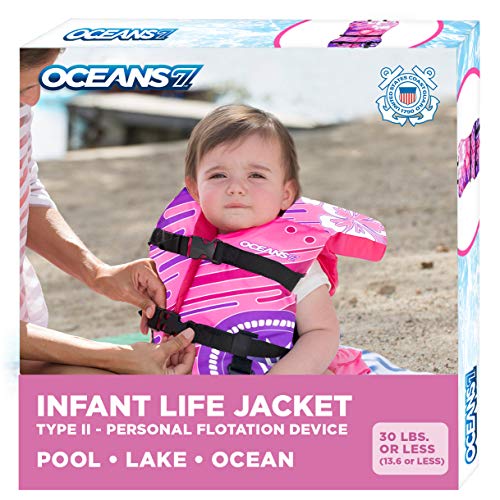
Water safety for infants begins with the right equipment. An infant life jacket — also called a personal flotation device (PFD) or life vest — is one of the most critical safety purchases you will make as a parent. Unlike adult vests, infant flotation devices are engineered with specific design features to keep a baby's head above water, support the neck, and prevent the device from riding up during movement.
Whether you are planning boat trips, lakeside vacations, pool time, or simply want to be prepared for emergencies near water, understanding how infant life jackets work, what safety certifications matter, and how to achieve a secure fit is essential. This guide walks you through every consideration so you can make a confident, informed decision.
Safety First: No life jacket replaces active adult supervision. Infants should always be within arm's reach of a responsible adult when near water, regardless of flotation device use. A life jacket is a supplemental safety layer, not a substitute for vigilance.
Why Infant Life Jackets Are Different from Adult PFDs
Infant life jackets are not simply scaled-down adult versions. They incorporate specialized design elements to address the unique physiological needs of babies under 30 pounds. Key differences include:
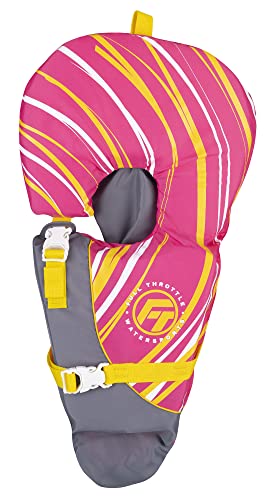
- Head support and neck floatation: A collar or headrest behind the neck helps keep an infant's face oriented upward and out of the water.
- Secure leg straps: A strap that passes between the legs prevents the vest from sliding upward over the baby's head — a critical safety feature for infants who cannot yet swim or tread water.
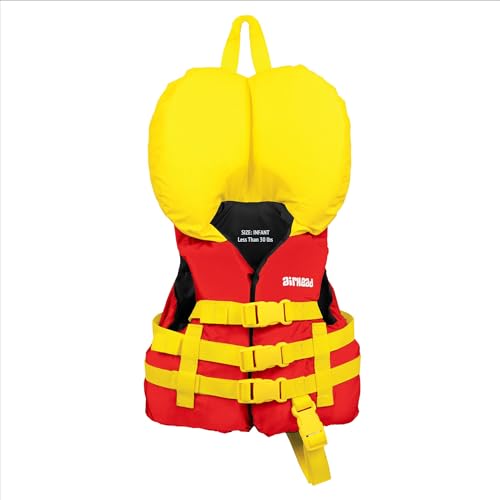
- Grab handle: Many infant PFDs include a sturdy handle on the back so an adult can quickly lift the baby out of the water in an emergency.
- Front-closure design: Buckles and zippers are positioned for easy donning and doffing while keeping the device snug against the body.
Understanding these distinctions helps you evaluate products more effectively. For parents seeking a device specifically designed to stay in place, exploring an infant life jacket that doesn't ride up is a worthwhile research step.
Safety Certifications: What to Look For
In the United States, the U.S. Coast Guard (USCG) sets the standard for flotation devices. An infant life jacket must carry a USCG approval label indicating it is rated for infant use (typically Type I or Type II, depending on the manufacturer's classification). The label confirms the device has passed testing for buoyancy, durability, and performance in water.
When shopping, look for the following on the product label or description:
- USCG approval: Verifies the device meets federal safety standards.
- Infant weight range: Most infant PFDs are rated for babies weighing up to 30 pounds. Always confirm the specific weight range for the model you are considering.
- Type classification: Type I offers the highest buoyancy and is designed to turn an unconscious wearer face-up. Type II is also suitable for calm inland waters. Both are appropriate for infants when properly fitted.
If you want to explore devices that meet these rigorous standards, browsing a Coast Guard-approved infant flotation device selection can help you narrow down trusted options.
Achieving the Correct Fit
Proper fit is the single most important factor in life jacket performance. A device that is too loose can slip upward, while one that is too tight can restrict breathing and cause discomfort. Follow these steps to ensure a secure fit:
- Check the weight range: Confirm your baby's weight falls within the manufacturer's specified range for the device.
- Fasten all buckles and straps: This includes the front zipper, chest strap, and the critical crotch strap.
- Perform the lift test: Gently lift the baby by the shoulders of the life jacket. The vest should not slide up past the chin or ears. If it does, the fit is too loose.
- Adjust for comfort: Ensure straps are snug but do not dig into the skin. The baby should be able to breathe comfortably and move arms freely.
Infants grow quickly, so always re-check the fit before each use. A device that fit last month may no longer be secure today.
Key Design Features to Evaluate
Head Support Collar
A raised collar behind the neck helps keep the infant's head upright and face clear of the water. This is especially important for babies who lack neck control.
Crotch Strap
An essential anti-ride-up feature. The strap secures the vest between the legs, preventing it from sliding over the baby's head in the water.
Grab Handle
A reinforced handle on the back allows a parent or caregiver to lift the baby quickly and safely out of the water in an emergency.
Front Zipper with Buckle
A combination of a heavy-duty zipper and a quick-release buckle provides a secure closure that is easy to put on and take off.
Adjustable Straps
Side-release buckles and adjustable webbing allow you to customize the fit as your baby grows and wears different clothing layers.
Bright Colors and Reflective Elements
High-visibility colors and reflective trim improve visibility in open water and low-light conditions.
Understanding Product Tiers
Infant life jackets are available across a spectrum of feature sets and construction quality. To help you compare options without focusing on numeric pricing, consider the following tier framework. Each tier represents a relative position in the market based on materials, design sophistication, and brand reputation.
| Tier | Best For | Typical Characteristics |
|---|---|---|
| Entry-Level | Occasional pool use, backup device | Basic USCG-approved construction, essential straps and buckles, standard nylon shell, limited color options |
| Mid-Range | Regular boating families, active water users | Reinforced stitching, more comfortable inner lining, additional adjustability, improved head support, broader size range |
| Premium | Frequent boaters, long water excursions | High-grade materials, neoprene or soft-touch linings, ergonomic fit, advanced closure systems, reflective safety accents, brand-tested durability |
| Top-Tier / Professional-Grade | Commercial marine use, sailing, extended offshore trips | Commercial-grade construction, superior buoyancy engineering, offshore-rated design, maximum security features, premium fabric and hardware |
Mid-range models typically offer a good balance of comfort and safety features for most families, while premium options deliver enhanced durability for frequent water activities. Entry-level devices are appropriate for occasional use but may lack the comfort features that keep a baby content during longer outings.
Matching the Life Jacket to Your Water Activities
The ideal life jacket depends on where and how you plan to use it. Consider these common scenarios:
- Pool and calm lake use: A Type II infant PFD provides ample buoyancy and is comfortable for short periods. Look for soft linings and adjustable straps.
- Boating and open water: A Type I device offers the highest buoyancy and is designed to turn the wearer face-up. These are often bulkier but prioritize safety in unpredictable conditions.
- Beach and splash pad visits: While a life jacket is not a substitute for direct supervision, a lightweight, comfortable vest with a crotch strap helps keep the device in place during active play.
- Travel and vacation: Compact, packable designs with easy-adjust buckles are convenient for families on the go. Some parents pair a life jacket with an infant bathing suit with built-in life jacket for added convenience during water play.
For families who enjoy swimming with their babies, combining a properly fitted life jacket with a swimsuit with built-in diaper can simplify water-time preparation while maintaining safety.
Care and Maintenance Tips
To ensure your infant life jacket performs reliably every time, follow these maintenance practices:
- Rinse after each use: Freshwater rinsing removes salt, chlorine, and sunscreen residue that can degrade fabric over time.
- Air dry thoroughly: Hang the vest in a shaded, well-ventilated area. Avoid direct sunlight, which can weaken synthetic materials.
- Inspect regularly: Check for frayed straps, broken buckles, torn fabric, or compromised buoyancy material. Replace any damaged device immediately.
- Store properly: Keep the life jacket in a dry, cool place away from sharp objects or heavy items that could crush the flotation foam.
- Never alter the device: Modifying straps or cutting material compromises safety certification and performance.
Frequently Asked Questions
At what age can a baby wear a life jacket?
Most infant life jackets are designed for babies weighing up to 30 pounds, which typically covers the first year of life and sometimes into toddlerhood. Always check the manufacturer's weight range. Babies should not wear a life jacket before they meet the minimum weight specified on the label.
Can my baby wear a life jacket in the car?
No. Life jackets should never be worn in a car seat or vehicle. The added bulk interferes with the car seat harness and can prevent a secure fit. Always remove the life jacket before placing your baby in a car seat. For travel safety information, see our guide to the infant car seat.
How do I know if the life jacket is too loose?
Perform the lift test: gently pull up on the shoulders of the vest. If the jacket rises above the baby's chin or ears, it is too loose. Tighten all straps, including the crotch strap, and re-test. A properly fitted jacket stays in place with minimal movement.
Should my baby wear a life jacket in a pool?
A life jacket is not a substitute for adult supervision in any body of water, including pools. However, using a properly fitted infant PFD during pool time provides an added layer of safety, especially if you are transitioning between activities or near deeper water. Always remain within arm's reach of your baby.
How often should I replace an infant life jacket?
Replace the life jacket if it shows signs of wear — frayed straps, broken buckles, torn fabric, or compromised foam. Also replace it when your baby outgrows the weight range. Even without visible damage, most manufacturers recommend replacing life jackets every few years to ensure optimal buoyancy performance.
Ready to Explore Infant Life Jackets?
Now that you understand the key features, safety certifications, and fit considerations, you are ready to evaluate your options with confidence. Browse our recommended selection below to find a USCG-approved infant life jacket that suits your family's water activities.