Formula Milk for Newborn: Complete Buying Guide for Parents
Everything you need to know about choosing, preparing, and feeding formula milk to your newborn — from ingredient types to feeding schedules and safety practices.
Why this guide matters: If you're researching formula milk for your newborn, you're likely in the decision-making phase. Whether you're combination feeding, formula feeding from the start, or exploring backup options, this guide covers the essential information to help you make a confident, informed choice for your baby's nutrition and well-being.
Understanding Newborn Formula Basics
Infant formula is designed to mimic the nutritional profile of breast milk as closely as possible, providing the right balance of proteins, fats, carbohydrates, vitamins, and minerals that newborns need for healthy growth and development. Commercially available formula is strictly regulated and must meet rigorous nutritional standards.
Newborns have specific nutritional demands. Their digestive systems are still maturing, their kidneys are developing, and their nutritional needs change rapidly during the first months of life. This is why formula is categorized by age stage — typically Stage 1 for 0-6 months, Stage 2 for 6-12 months, and Stage 3 for toddlers. Always follow the manufacturer's age guidance and consult your pediatrician if you're unsure which stage is appropriate.
Types of Formula Milk for Newborns
Formula comes in several forms and formulations, each suited to different feeding situations and digestive needs. Understanding the differences helps you match the product to your baby's requirements.
| Type | Best For | Key Characteristics |
|---|---|---|
| Cow-Milk-Based Formula | Most healthy newborns | Standard option; nutritionally complete; widely available in entry-level to premium tiers |
| Partially Hydrolyzed Formula | Babies with mild digestive sensitivity | Proteins broken down for easier digestion; mid-range positioning |
| Extensively Hydrolyzed Formula | Babies with milk protein allergies | Highly broken-down proteins; specialized formulation; premium tier |
| Soy-Based Formula | Babies with lactose intolerance or galactosemia | Plant-based protein; lactose-free; specialized category |
| Preterm Formula | Premature or low-birth-weight babies | Higher nutrient density; medical-grade formulation; professional-grade tier |
For babies with specific sensitivities, you may want to explore resources on formula for milk allergy, formula for milk protein allergy, or formula for sensitive stomach to understand specialized options. Parents looking for a taste profile similar to breast milk often consider formula milk closest to breast milk taste.
Formula Forms: Powder, Concentrate, and Ready-to-Feed
Beyond formulation, formula is sold in three main forms, each with distinct practical advantages:
- Powder formula: The most common and flexible form. Requires mixing with water. Best value for its tier and ideal for long-term use. Requires careful measurement and clean preparation.
- Liquid concentrate: Pre-mixed with water at a concentrated ratio; you add additional water before feeding. Mid-range convenience with less measuring than powder.
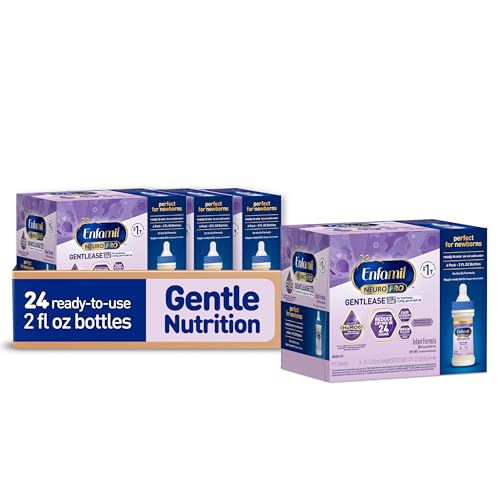
- Ready-to-feed (RTF): No mixing required. Top-tier convenience, especially useful for nighttime feedings, travel, and hospital use. Typically positioned at a premium tier due to packaging and convenience.
Many parents keep a supply of ready-to-feed formula for outings or emergencies alongside a powder-based routine. If you're planning extended feeding routines, explore free baby formula options and sample programs that can help you trial different products before committing.
Key Ingredients to Look For
Formula labels can be overwhelming. Focus on the following components when comparing products:
- Protein source: Whey-dominant formulas are generally easier for newborns to digest than casein-dominant ones. Many premium formulas adjust the whey-to-casein ratio to better mimic breast milk.
- DHA and ARA: Long-chain fatty acids associated with brain and eye development. Most modern formulas include these as standard.
- Prebiotics and probiotics: Support digestive health and immune function. Often highlighted in mid-tier and top-tier products.
- Iron fortification: Essential for newborn development; all standard infant formulas are iron-fortified by regulation.
- Absence of unnecessary additives: Some parents prefer formulas without added sugars, artificial flavors, or certain preservatives. Check labels and choose according to your priorities.
If your newborn struggles with constipation, review guidance on formula milk for constipation before switching products.
Feeding Schedule and Amounts
Newborn feeding is demand-driven. Formula-fed newborns generally feed every 3 to 4 hours, but this varies. Watch for hunger cues such as rooting, sucking motions, and fussiness.
| Age | Approximate Amount Per Feeding | Feedings Per Day |
|---|---|---|
| First week | 1-2 oz (30-60 ml) | 8-12 |
| 2-4 weeks | 2-4 oz (60-120 ml) | 6-8 |
| 1-2 months | 4-5 oz (120-150 ml) | 5-6 |
| 2-4 months | 4-6 oz (120-180 ml) | 4-5 |
These are general guidelines. Your pediatrician may recommend adjustments based on your baby's weight gain, appetite, and overall health. Never force a baby to finish a bottle; let hunger and fullness cues guide feeding.
Safe Formula Preparation and Storage
Proper preparation is critical for newborn safety. Follow these essential steps:
- Wash hands thoroughly before handling bottles and formula.
- Sterilize bottles, nipples, and mixing utensils, especially during the first months.
- Use the exact water-to-powder ratio specified on the label. Too little water can cause dehydration; too much can dilute nutrients.
- Use boiled and cooled water or follow the manufacturer's water safety guidance.
- Test the temperature on your wrist before feeding.
- Discard leftover formula after one hour of feeding. Never reuse a partially consumed bottle.
- Prepared formula can be stored in the refrigerator for up to 24 hours. Avoid freezing.
When to Consult a Pediatrician
Contact your pediatrician if your newborn shows signs of formula intolerance, including excessive spitting up, persistent fussiness after feeding, blood in stool, rash, or poor weight gain. These may indicate a milk protein allergy, reflux, or another condition requiring specialized formula.
For more focused guidance, see our related articles on formula for sensitive stomach and formula for milk allergy.
Not sure where to start? Explore our recommended newborn formula options below, selected for their nutritional profile, ingredient quality, and parent feedback.
Frequently Asked Questions
What is the best formula milk for newborn babies?
Most healthy newborns thrive on standard cow-milk-based infant formula. The best choice depends on your baby's individual needs, digestion, and any sensitivity signs. Consult your pediatrician for personalized recommendations.
How much formula should a newborn eat per feeding?
Newborns typically consume 1 to 2 ounces (30-60 ml) per feeding during the first week, gradually increasing to 2-3 ounces by week two and 3-4 ounces by one month. Feed on demand and watch for hunger cues.
Can I switch formula brands for my newborn?
Switching formulas is generally safe, but introduce changes gradually and consult your pediatrician, especially if your baby has sensitivities or special dietary needs.
How should I prepare formula milk safely?
Always wash hands and sterilize bottles. Use the exact water-to-powder ratio on the label. Mix thoroughly, test temperature before feeding, and discard any leftover formula after one hour of feeding.
Does formula cause constipation in newborns?
Some babies experience firmer stools on formula compared to breast milk. If constipation is persistent or uncomfortable, consult your pediatrician and review our guide on formula milk for constipation.