Electronic Learning Toys for 3 Year Olds: The Complete Buying Guide
Your 3-year-old is entering a magical phase of curiosity and discovery. Learn how to choose electronic learning toys that genuinely support language, logic, and motor development — without relying on hype.
Explore the Buying GuideWhat Makes an Electronic Learning Toy Worth Buying for a 3-Year-Old?
Not every toy that beeps or lights up is educational. For a three-year-old, the most valuable electronic toys share a common set of design principles. When you evaluate options, look for these traits:
- Cause-and-effect clarity: Pressing a button should produce an immediate, understandable response — a word, a melody, a moving part. This reinforces the logic of action and outcome.
- Language reinforcement: Clear speech, proper pronunciation, and repetitive vocabulary exposure help build the 900–1,000 words a typical 3-year-old is learning to use.
- Age-appropriate complexity: A toy that is too complex frustrates; too simple bores. Look for multi-level progression or open-ended play.
- Durability and child-safe construction: Three-year-olds are still prone to dropping, throwing, and mouthing. Reinforced housing, rounded edges, and non-toxic materials are non-negotiable.
- Balanced sensory feedback: Audio and light should complement tactile exploration, not dominate it. Avoid toys that rely solely on screen stimulation.
Key Categories of Electronic Learning Toys for 3 Year Olds
Electronic learning toys for this age group generally fall into several practical categories. Understanding each helps you match a toy to your child’s current interests and developmental needs.
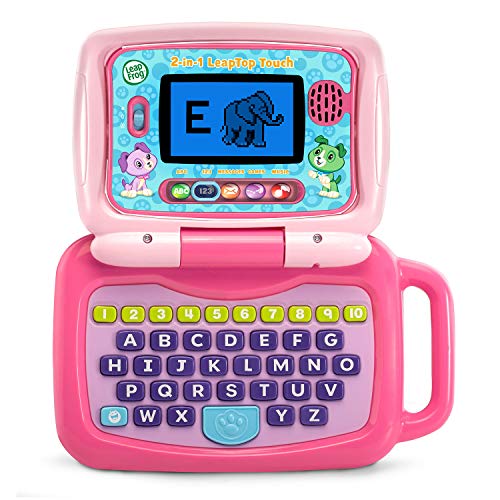
Interactive Learning Tablets
Child-safe electronic tablets with letter, number, and phonics activities. Best for early literacy and screen-time with intent.
Talking Toys & Plush Companions
Electronic plush toys that speak, sing, or respond to touch. Excellent for language exposure and emotional comfort.
STEM & Logic Toys
Electronic puzzles, coding critters, and shape-sorting devices with light-and-sound feedback that teach sequencing and problem solving.
Musical & Rhythm Toys
Electronic keyboards, drum pads, and beat-makers that build auditory discrimination and pattern recognition.
Interactive Activity Centers
Multi-activity electronic stations that combine buttons, levers, gears, and sound for whole-body engagement.
Electronic Storybooks & Readers
Audio-enabled books and reading pens that read aloud, ask questions, and build early comprehension skills.
Feature Comparison: What to Prioritize in Each Category
The table below summarizes the most important features to look for across the major electronic toy categories for 3-year-olds. Use it as a quick reference when you are comparing product listings.
| Category | Best For | Key Features to Look For | Recommended Tier |
|---|---|---|---|
| Learning Tablets | Early literacy & phonics | Clear speech, letter tracing, volume control, durable casing | Balanced tier |
| Talking Plush Toys | Language exposure & comfort | Washable fabric, clear audio, interactive sensors | Essential tier |
| STEM Logic Toys | Problem-solving & sequencing | Multi-level progression, light/sound feedback, tactile pieces | Balanced tier |
| Musical Toys | Auditory & pattern recognition | Volume control, varied instrument sounds, rhythm modes | Essential tier |
| Activity Centers | Whole-body engagement | Multiple activity zones, sturdy base, age-graded prompts | Balanced tier |
| Electronic Storybooks | Reading comprehension | Read-aloud narration, question prompts, page recognition | Premium tier |
How to Choose: A Step-by-Step Framework
Before you browse any product listing, work through this practical decision framework. It will save you time and help you avoid toys that look impressive on the box but disappoint in daily use.
- Identify the primary developmental goal. Is your child working on vocabulary, fine motor control, cause-and-effect logic, or musical awareness? Choose a toy whose core mechanic directly supports that goal.
- Check the age grading. A toy labeled for ages 3+ has passed safety testing for that group. Toys labeled for older children may contain small parts or audio features that are not appropriate.
- Evaluate the audio quality. Clear, natural-sounding speech is more valuable than robotic or distorted audio. Check whether the volume has a low setting — essential for sensitive ears.
- Look for open-ended play. Toys that offer multiple modes or free exploration tend to stay in rotation longer than single-purpose devices.
- Confirm the build quality. Reinforced housing, secure battery compartments (with screws), and non-toxic finishes are baseline requirements.
- Consider the long-term trajectory. A toy that grows with your child — through level progression or convertible play modes — is a more efficient long-term investment.
Tier Guide: Understanding Market Positioning
Electronic learning toys are positioned across distinct market tiers. Understanding these tiers helps you calibrate expectations and compare options fairly. The descriptors below are relative and consistent across this guide:
- Essential tier: Straightforward electronic toys with a focused feature set. Solid choice for the category, well-specified for basic developmental goals.
- Balanced tier: Mid-range models that typically offer smoother interaction, more content variety, and better audio quality than entry-level options. Feature-rich for their class.
- Premium tier: Top-tier models with advanced sensors, adaptive difficulty, or premium materials. A worthwhile investment for families who want the most refined experience and long-term durability.
Entry-level models are a sensible starting point if you are unsure which category will resonate with your child. Mid-range options usually represent the sweet spot for most families, while premium-tier devices are best reserved for a specific, well-understood need. If you are also refreshing your playroom storage to keep the toy rotation organized, see these toy storage solutions for the living room and toy storage ideas for small spaces for practical, family-tested setups.
Safety and Developmental Considerations
Electronic toys introduce a few safety dimensions that traditional toys do not. Keep these considerations in mind:
- Battery compartments: Must be secured with a screw. Loose button batteries are a serious hazard for young children.
- Volume limits: Sustained loud audio can affect hearing over time. Prefer toys with volume control and a low default setting.
- Screen time balance: Electronic toys with screens should be used in short, intentional sessions. Pair them with tactile, open-ended play for a balanced daily rhythm.
- Small parts: Confirm the toy is age-graded for 3-year-olds and does not include detachable small components.
- Supervision: Even the safest electronic toy benefits from adult co-play, which also extends the learning value through conversation and modeling.
If your child is also moving into other developmental play categories, you may find these guides helpful: toys for brain development in the 1–2 year range and first toys for one-year-olds provide useful context for the progression leading up to age three.
Frequently Asked Questions
Are electronic learning toys actually educational for 3-year-olds?
Yes, when they are well-designed. The strongest electronic learning toys reinforce cause-and-effect logic, expose children to clear language, and offer repetitive practice with letters, numbers, or sounds. The key is choosing toys that invite active participation rather than passive watching. Pair electronic play with hands-on, open-ended play for the best developmental balance.
How much screen time should a 3-year-old have with electronic toys?
Most pediatric guidance recommends limiting passive screen time for preschoolers to about one hour per day of high-quality content, with co-viewing when possible. Electronic learning toys that are primarily audio or tactile — such as talking plush toys or musical devices — do not count the same way as screen-based devices. Balance is the guiding principle.
Which type of electronic learning toy is best for language development?
Talking toys, electronic storybooks, and learning tablets with clear phonics content are the strongest choices for language development. Look for natural-sounding speech, proper pronunciation, and interactive prompts that encourage your child to repeat words or answer questions. A mix of audio-only and screen-based options works well.
How do I know if an electronic toy is age-appropriate for my 3-year-old?
Check the manufacturer’s age grading on the packaging and product listing. Toys labeled for ages 3+ have been assessed for safety with that age group in mind. Beyond safety, consider whether the toy’s complexity matches your child’s current skills — a toy that is slightly challenging but achievable is ideal.
Should I choose an entry-level or premium electronic learning toy?
It depends on the specific category and your child’s interest. Entry-level (essential tier) options are a sensible way to test whether a category resonates. Mid-range (balanced tier) models usually offer the best overall experience for most families. Premium-tier devices make sense when you have a clear, specific need and want the most refined long-term option.
How can I keep electronic toys organized and in rotation?
A simple rotation system works well: keep a small number of toys accessible and store the rest out of sight, swapping them every week or two. Dedicated storage bins and shelving make this easy. For practical setups, see these living room toy storage solutions and toy storage with a bookshelf for ideas that fit real homes.
Ready to Compare Top Electronic Learning Toys?
You now have a clear framework for evaluating electronic learning toys for your 3-year-old. Browse our recommended picks below, compare features across tiers, and choose the option that best matches your child’s developmental stage and interests.