Toy Storage Solutions for Living Room
Smart, stylish ways to reclaim your living space from toy clutter — without sacrificing the joy of play.
Why living room toy storage matters: The living room is the heart of the home — and for families with young children, it quickly becomes the primary play zone. Without a smart storage strategy, toys can overtake your shared space, creating visual chaos and making it harder to relax or entertain. The right storage solutions let you keep playthings accessible for your child while restoring a sense of order and calm to your living room.
Why the Living Room Needs a Different Storage Strategy
The living room presents unique storage challenges that differ from a nursery or playroom. It's a multi-purpose space where adults relax, guests gather, and children play — often all at once. This means toy storage must balance accessibility for kids with aesthetics for adults. It also needs to handle the constant flow of toys in and out of the room throughout the day.
A well-designed living room storage plan considers three factors: visibility management (hiding clutter while keeping favorites handy), flexibility (adapting as your child grows), and durability (withstanding daily use by energetic toddlers). Understanding these priorities helps you choose solutions that actually work in real family life.
Types of Toy Storage Solutions for Living Rooms
There's no single perfect storage solution — the best approach often combines several types to match your space, style, and family routines. Here are the main categories to consider:
Storage Ottomans and Benches
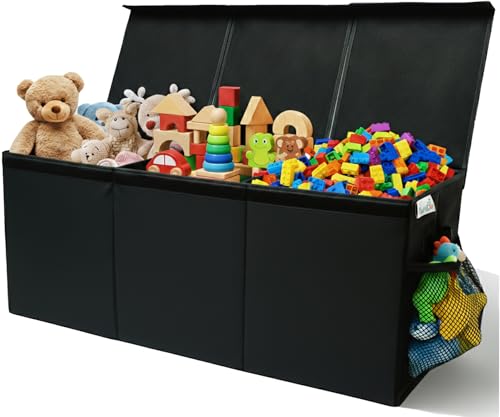
Storage ottomans double as seating and hidden storage, making them ideal for living rooms where furniture serves multiple purposes. Look for models with hinged lids (safer for little fingers) and reinforced construction to handle daily opening and closing. These work best for quick cleanups and storing frequently used items that need to be out of sight within seconds.
Baskets and Fabric Bins
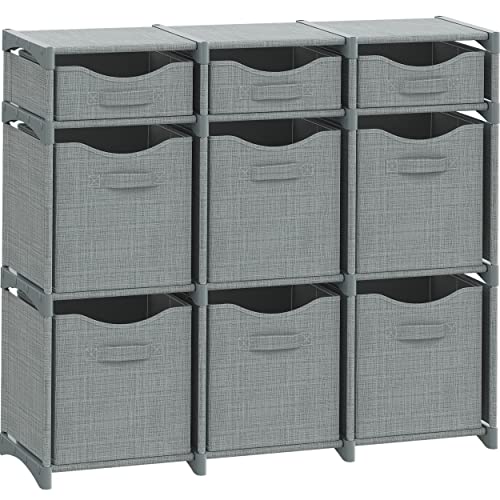
Woven baskets and fabric bins are the workhorses of living room toy storage. They're lightweight, easy for children to access, and soft enough to prevent injury. Choose bins with sturdy handles and structured sides that hold their shape. Baskets work especially well for corralling small toys, books, and stuffed animals, and they can be tucked into shelves, corners, or under furniture.
Shelving Units with Bins
A low-profile shelving unit paired with fabric or plastic bins creates a structured, organized system that grows with your child. Open shelving at child height encourages independent cleanup, while higher shelves can hold items you want to rotate or keep away from little hands. Toy storage with a built-in bookshelf is a particularly smart option for combining toy organization with a reading nook.
Toy Chests and Trunks
Toy chests offer generous capacity and a classic look that blends with living room decor. Safety is critical here: choose chests with slow-closing hinges and ventilation holes, and avoid models with heavy lids that could trap small children. Chests work best for bulkier items like dress-up clothes, large building blocks, and ride-on toys.
Multi-Functional Furniture
Coffee tables with storage compartments, nesting tables with hidden bins, and sofas with built-in cubbies are all examples of furniture that pulls double duty. These are excellent for small living rooms where every square foot counts. The trade-off is usually smaller capacity per compartment, so they work best as part of a layered storage system.
Comparing Storage Tiers: What to Expect at Each Level
When selecting toy storage, it helps to understand the general market tiers and what each typically offers in terms of construction, materials, and features. This framework lets you align your choice with your needs and long-term plans.
Mid-range options often provide the best balance for most families — they're durable enough for years of daily use without the design compromises sometimes found at entry-level. Premium pieces make sense when you want furniture that will serve multiple purposes (seating plus storage) and remain a permanent fixture in your home.
Key Features to Prioritize in Living Room Toy Storage
Safety First
Living room storage sits in the middle of family life, so safety features are non-negotiable. Look for rounded edges, slow-closing or soft-close hinges on chests and ottomans, ventilation holes in enclosed units, and anti-tip hardware for tall shelving. Avoid storage pieces with heavy lids that could slam shut on small fingers.
Child Accessibility
The best storage system is one your child can use independently. Low-height bins and shelves encourage toddlers to put toys away on their own, building good habits early. Open-front bins and lightweight baskets work better for young children than deep chests or high cabinets. The goal is to make cleanup feel achievable, not overwhelming.
Aesthetic Integration
Living room storage should look like it belongs there. Neutral colors, natural materials (wood, canvas, woven fibers), and clean lines help storage blend with your existing decor. If your living room has a specific style — modern, traditional, boho — choose storage pieces that complement rather than clash. The storage should feel like furniture, not a makeshift solution.
Scalability
Children's toy collections evolve rapidly. Choose storage that adapts: modular shelving you can add to, bins in graduated sizes, and multi-purpose pieces that transition from toy storage to general household storage as your child grows. A system that works for a 1-year-old should still serve a 6-year-old with minor adjustments.
Practical Organization Strategies That Actually Work
Storage furniture is only half the equation — how you use it determines whether your living room stays organized. These strategies help maintain order without requiring constant effort:
- Rotate toys regularly: Keep a limited selection in the living room and swap items out every few weeks. This reduces clutter and makes toys feel new again. Store rotated items in a closet or another room.
- Use a "one in, one out" rule: When a new toy enters the living room, an old one goes into storage or donation. This prevents gradual accumulation.
- Create a quick-cleanup system: Designate a single large bin or basket for fast tidying at the end of the day, then sort properly during a weekly reset.
- Label bins with pictures: For young children, picture labels (a drawing of blocks, cars, or dolls) make cleanup intuitive and even fun.
- Keep a "grown-up" zone: Reserve part of the living room for adult items — books, throws, decor — so the space doesn't become entirely child-focused. This balance benefits the whole family.
For homes with limited square footage, toy storage solutions for small spaces offers additional strategies that complement living room organization. And if you're setting up a dedicated play area or bedroom storage system, exploring broader toy storage options can help you build a cohesive whole-home approach.
Common Mistakes to Avoid
Even well-intentioned storage setups can fall short. Watch out for these common pitfalls:
- Overloading open bins: Bins that are too full become dumping grounds. Keep them at 70–80% capacity so children can sort through them.
- Ignoring the "drop zone": Every family has a spot where toys naturally accumulate (often near the sofa or TV). Place storage there instead of fighting the habit.
- Choosing style over function: A beautiful woven basket that collapses or tips easily will frustrate everyone. Prioritize sturdy construction.
- Forgetting about floor space: Storage pieces should leave room for actual play. Avoid filling every corner with furniture.
- Skipping safety anchoring: Any shelving unit taller than a toddler should be secured to the wall. This is non-negotiable in homes with young children.
Making Your Final Choice
When you're ready to choose living room toy storage, start by assessing your space: measure available wall space, floor area, and consider traffic flow. Then match your needs to a storage type — ottoman for dual-purpose seating, shelving for structured organization, baskets for flexibility, or a combination. Prioritize safety features, durable construction, and a design that complements your living room's style.
The right storage system transforms your living room from a constant cleanup battle into a space where play and relaxation coexist. It's an investment in both your home's functionality and your family's daily comfort.
Final tip: Before purchasing, measure your doorway and the intended spot in your living room. Some larger storage units arrive assembled and may not fit through narrow hallways. Check product dimensions carefully — especially for chests and shelving — to avoid returns and frustration.