Educational Toys for Two Year Olds: A Practical Buying Guide
Two year olds learn best through active, hands-on play. This guide explains what makes a toy genuinely educational at this age, which toy categories deliver the most developmental benefits, and how to choose safe, durable options that grow with your toddler.
Why this age matters: At two, children are rapidly developing language, fine motor control, early problem-solving, and social awareness. The right toys support these milestones through open-ended exploration rather than passive entertainment. This guide helps you cut through marketing claims and focus on toys that genuinely encourage learning.
What Makes a Toy Educational at Age Two
Not every toy marketed as "educational" actually supports development. At age two, the most valuable toys share a few core traits: they invite the child to act on them, they can be used in more than one way, and they give clear, immediate feedback. A well-designed toy does not need batteries or screens to teach — it simply needs to match the child's current abilities and offer a gentle next step.
Children at this stage are mastering cause-and-effect, sorting, stacking, matching, and early pretend play. Toys that reward curiosity — a shape sorter that clicks when the piece fits, a stacking ring set that can be rebuilt in different orders, a play kitchen that invites imitation — are far more valuable than toys that only entertain passively.
Open-Ended Play
Toys with multiple uses — blocks, pretend-play sets, sensory bins — keep toddlers engaged longer and support creativity and problem-solving.
Age-Appropriate Challenge
A toy that is slightly beyond current ability but still achievable keeps a two year old motivated without causing frustration.
Hands-On Feedback
Simple cause-and-effect toys teach toddlers that their actions produce results — a foundational cognitive skill.
Key Developmental Skills Toys Should Support
When evaluating educational toys for two year olds, it helps to map them against the skills children are actively building. The table below shows the main developmental areas and how toys can support each one.
| Developmental Area | What Two Year Olds Are Learning | Toy Types That Help |
|---|---|---|
| Fine Motor Skills | Grasping, stacking, turning knobs, fitting pieces together | Shape sorters, stacking rings, peg puzzles, threading toys |
| Gross Motor Skills | Pushing, pulling, climbing, balancing, kicking | Push-and-pull toys, ride-on toys, soft play blocks |
| Language & Communication | Naming objects, imitating sounds, following simple instructions | Picture books, pretend-play sets, animal figures, puppets |
| Cognitive & Problem-Solving | Sorting, matching, cause-and-effect, simple sequencing | Puzzles, nesting cups, sorting bins, simple building blocks |
| Social & Emotional | Imitation, turn-taking, expressing preferences | Dolls, play kitchen sets, doctor kits, cooperative games |
| Sensory Exploration | Textures, sounds, water and sand play | Water tables, sensory bins, textured balls, musical toys |
Best Toy Categories for Two Year Olds
1. Stacking, Sorting, and Nesting Toys
Stacking rings, nesting cups, and shape sorters are classic for a reason. They teach size relationships, color and shape recognition, and hand-eye coordination. Look for sturdy, rounded designs without small detachable parts. As your child masters the basic set, you can introduce slightly more complex versions to keep the challenge fresh.
2. Simple Puzzles with Knobs or Chunky Pieces
Peg puzzles and chunky wooden puzzles help two year olds practice matching, fine motor control, and shape recognition. Start with puzzles that have few pieces and clear picture cues, then gradually increase complexity. Puzzles also create natural opportunities for language — naming animals, vehicles, or shapes together.
3. Pretend-Play Sets
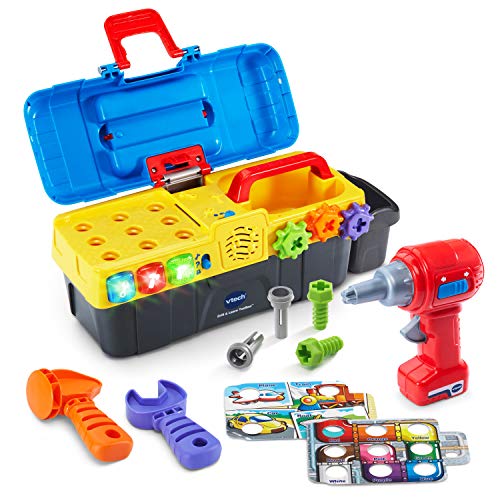
Play kitchens, tool sets, doctor kits, and doll accessories support social-emotional learning and language development. Pretend play lets toddlers rehearse everyday routines, practice new words, and explore roles. Choose sets with durable, simple pieces that are easy for small hands to manage.
4. Building Blocks and Construction Toys
Large, soft blocks and chunky interlocking bricks encourage creativity, spatial awareness, and early engineering thinking. At two, children mostly stack and knock down — and that is exactly the point. The repetition builds understanding of balance and cause-and-effect.
5. Push-and-Pull and Ride-On Toys
Toys that move with the child support gross motor development and coordination. A sturdy push toy or a low ride-on helps toddlers practice walking, steering, and balance. Look for stable bases and smooth-rolling wheels.
6. Sensory and Musical Toys
Water tables, sensory bins, textured balls, and simple musical instruments support sensory processing and cause-and-effect learning. Musical toys with clear, pleasant tones and simple controls are especially engaging at this age.
7. Early Language and Book-Based Toys
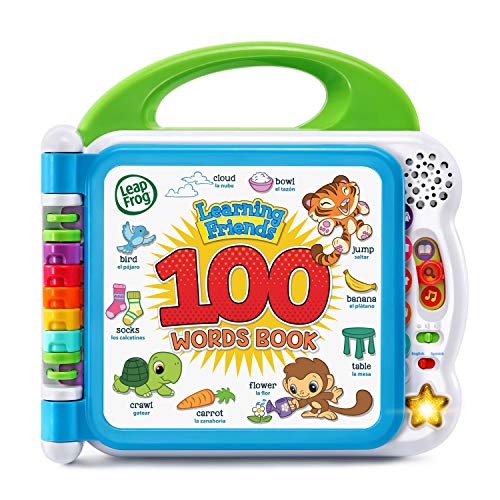
Picture books, animal figures, and simple storytelling toys help expand vocabulary and comprehension. Interactive books with flaps or textures add a tactile element that keeps two year olds engaged.
Buying tip: Choose toys that match your child's current interests and abilities, not the age range on the box alone. A toy slightly above their level can be introduced gradually, while a toy that is too simple quickly loses appeal.
How to Evaluate Toy Quality and Safety
Two year olds explore with their hands and mouths, so safety and durability are critical. Use the checklist below when comparing options.
- Age labeling: Confirm the toy is labeled for children aged two and up.
- No small detachable parts: Avoid pieces that could break off and become a choking hazard.
- Secure battery compartments: If the toy uses batteries, ensure the compartment is screwed shut.
- Non-toxic finishes: Look for toys with safe, child-friendly paints and materials.
- Rounded edges: Choose toys without sharp corners or rough surfaces.
- Durable construction: Solid build quality matters — toddlers are hard on toys.
- Easy to clean: Wipeable surfaces and machine-washable fabrics are practical for daily use.
How Many Toys Does a Two Year Old Need?
More toys do not equal more learning. In fact, too many toys can overwhelm toddlers and reduce the depth of play. A small, thoughtfully selected collection that is rotated every few weeks tends to keep children more engaged. Focus on quality and variety across developmental areas rather than quantity.
A practical approach is to keep a core set of toys accessible and store the rest, swapping them in every two to four weeks. This keeps novelty high and encourages deeper exploration of each toy.
Electronic vs. Traditional Learning Toys
Electronic learning toys can be useful in moderation, especially those that teach cause-and-effect or introduce early language concepts. However, they should not replace hands-on, open-ended play. At age two, the most valuable learning happens when children manipulate objects, move their bodies, and interact with caregivers.
If you choose electronic toys, look for simple designs with clear feedback and volume controls. Avoid toys that encourage passive screen watching or overstimulating sounds and lights. The best electronic toys are those that invite the child to do something — press, sort, match, or move — rather than simply watch.
Building a Balanced Toy Rotation
A balanced toy rotation covers multiple developmental areas without overwhelming your child. Consider including one or two toys from each category below, and rotate them every few weeks:
- Fine motor: stacking rings, peg puzzles, threading toys
- Cognitive: shape sorters, nesting cups, simple matching games
- Pretend play: play kitchen items, doll, tool set
- Gross motor: push toy, soft blocks, ride-on
- Sensory: textured balls, water table, musical toy
- Language: picture books, animal figures
For related guidance on toys for slightly younger children, see our guides on educational toys for 1 year olds and educational toys for 12–18 month olds. If you are also planning for the next stage, our electronic learning toys for 3 year olds guide covers more advanced options.
How Parents Can Support Learning Through Toys
Toys are tools — the real learning happens through interaction. Parents can amplify the educational value of any toy by playing alongside their child, narrating actions, asking simple questions, and modeling new ways to use the toy. Short, child-led play sessions are more effective than structured drills.
Try these simple strategies during play:
- Name objects and actions as your child plays ("You stacked the red ring on top!").
- Ask open questions ("What will you build next?").
- Model a new way to use the toy, then let your child try.
- Follow your child's lead rather than directing the play.
- Celebrate effort and exploration, not just the finished result.
Frequently Asked Questions
What types of educational toys are best for two year olds?
The best educational toys for two year olds support active exploration and open-ended play. Look for stacking and sorting toys, shape sorters, simple puzzles, pretend-play sets, and toys that encourage language, fine motor skills, and early problem-solving.
How many toys does a two year old really need?
A two year old does not need a large collection of toys. A small rotation of well-chosen, durable toys that match their developmental stage is more effective. Rotating toys every few weeks keeps engagement high and reduces clutter.
Are electronic learning toys suitable for two year olds?
Electronic learning toys can be useful in moderation, but they should not replace hands-on, open-ended play. Choose simple electronic toys with clear cause-and-effect feedback, and prioritize toys that invite your child to build, sort, pretend, and move.
How do I choose safe educational toys for a two year old?
Check for age-appropriate labeling, secure battery compartments, non-toxic finishes, and no small detachable parts that could pose a choking hazard. Inspect toys regularly for wear and follow the manufacturer's safety instructions.
How can parents support learning through toys at age two?
Parents can support learning by playing alongside their child, narrating actions, asking simple questions, and modeling new ways to use toys. Short, child-led play sessions are more effective than structured drills.