Diaper Rash Barrier Cream: A Complete Guide to Soothing and Protecting Baby’s Skin
Discover expert recommendations for barrier creams, zinc oxide pastes, and natural remedies to treat and prevent diaper rash effectively.
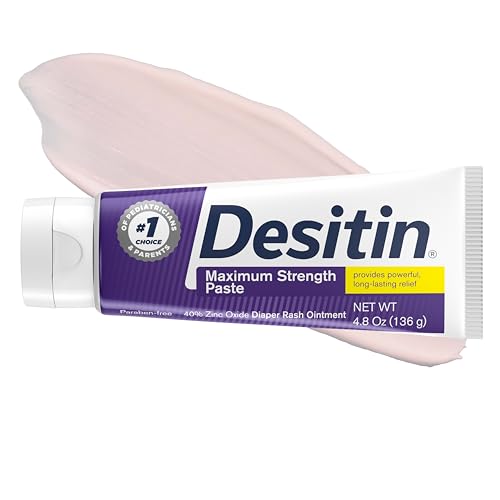
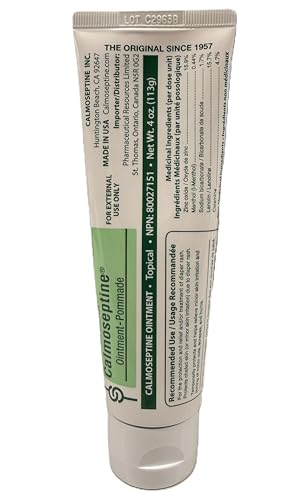
SHOP TOP CREAMSWhy a barrier cream? A diaper rash barrier cream creates a protective layer on your baby’s skin, shielding it from moisture and irritants. This guide covers everything you need to know — from active ingredients to application tips — so you can choose the best product for your little one.
What is Diaper Rash Barrier Cream?
A diaper rash barrier cream is a topical ointment or paste designed to protect and heal a baby’s delicate skin from diaper rash. The most effective creams contain zinc oxide, a mineral that forms a physical barrier between the skin and moisture. Other key ingredients include lanolin, petroleum jelly, and natural soothing agents like calendula or aloe vera.
Unlike regular lotions, barrier creams are thicker and adhere to the skin, preventing friction and irritation. They are essential for any baby’s diapering routine, especially during teething or when introducing new foods that can cause acidic stools.
For severe rashes, pediatricians often recommend a diaper rash cream with zinc oxide at a higher concentration (15–40%). These creams not only protect but also promote healing by reducing inflammation.
Types of Barrier Creams: Which One is Right for Your Baby?
Not all barrier creams are created equal. Here’s a breakdown of the most common types:
- Zinc Oxide Pastes: The gold standard for diaper rash. Look for barrier cream for diaper rash with at least 10% zinc oxide for daily protection and 20%+ for treatment.
- Petroleum-Based Ointments: Such as white petrolatum. They are excellent for preventing moisture but may not have healing properties.
- Natural & Organic Balms: Made with shea butter, coconut oil, or beeswax. These are gentle and chemical-free, ideal for sensitive skin.
- Anti-Fungal Creams: If the rash is caused by yeast, your doctor may recommend a combination barrier cream with antifungal medication.
When choosing, consider your baby’s skin sensitivity, the severity of the rash, and the cream’s ease of application. Many parents keep both a mild preventive cream and a stronger diaper rash cream for newborn on hand.
How to Apply Barrier Cream for Maximum Effectiveness
Proper application is just as important as the cream itself. Follow these steps to ensure your baby gets the full benefit:
- Clean the area: Use warm water and a soft cloth or fragrance-free wipes. Pat dry gently.
- Apply a thick layer: Don’t rub it in completely; a visible white layer helps create an effective shield. This is especially important for newborn disposable diapers which can be very absorbent but also drying.
- Allow to air dry: If possible, let your baby go diaper-free for a few minutes before putting on a fresh diaper.
- Reapply with every change: This is crucial for preventing moisture build-up.
Remember, you don’t need to remove all the cream at each change. Gently wipe off soiled cream and reapply a fresh layer. Over-washing can irritate the skin further.
Key Ingredients: What Works Best?
The most effective diaper rash barrier cream ingredients include:
- Zinc Oxide: Soothes and forms a waterproof barrier. It’s the most researched and recommended active ingredient.
- Lanolin: A natural moisturizer that helps hydrate dry skin.
- Dimethicone: A skin protectant that is often used in combination with zinc oxide.
- Calendula: A herbal extract with anti-inflammatory properties.
Ingredients to avoid: fragrances, parabens, phthalates, and harsh preservatives. These can cause allergic reactions or further irritate your baby’s skin. Always opt for hypoallergenic options.
For babies with extremely sensitive skin, consider a hypoallergenic infant formula if diaper rash is frequent and severe, as diet can sometimes be a contributing factor.
Beyond the Cream: Holistic Diaper Rash Prevention
While a good barrier cream is essential, preventing diaper rash involves a multi-faceted approach:
- Change diapers frequently: Aim for every 2–3 hours, or as soon as you notice it’s wet or soiled.
- Use the right size diaper: Diapers that are too tight can trap moisture and cause friction.
- Consider cloth vs. disposable: Some babies react to the chemicals in disposable diapers. If you’re considering a switch, check our diapers guide.
- Give diaper-free time: Letting air circulate helps keep the skin dry.
- Bathe with gentle cleansers: Use mild, fragrance-free soap and avoid hot water.
Integrating these habits with a reliable barrier cream will significantly reduce the occurrence of diaper rash. If the rash persists despite these measures, consult your pediatrician.
When to Seek Medical Advice
Most diaper rashes improve within 2–3 days with proper care. However, you should see a doctor if:
- The rash is severe, with blistering or oozing.
- Your baby has a fever, diarrhea, or seems lethargic.
- The rash doesn’t improve after 3 days of using a barrier cream.
- There are signs of a bacterial or yeast infection (red bumps, pus, or bright red skin that extends beyond the diaper area).
Your doctor may prescribe an antifungal or corticosteroid cream. In some cases, a diaper rash cream with zinc oxide combined with a prescription ointment is the most effective treatment.
Frequently Asked Questions About Diaper Rash Barrier Cream
Q: Can I use barrier cream on broken skin?
A: Yes, but avoid ointments with fragrances or acids. Pure zinc oxide is safe and soothing.
Q: How much cream should I apply?
A: Apply a thick, visible layer — about the thickness of a coin.
Q: Are natural barrier creams as effective as zinc oxide?
A: For mild rashes, yes. But for moderate to severe rashes, zinc oxide is clinically proven to be more effective.
Q: Can I use the same cream for my baby and toddler?
A: Yes, most creams are safe for all ages. However, older toddlers may need a cream with higher zinc concentration if they are prone to rashes.
Choosing the Best Diaper Rash Barrier Cream for Your Family
With so many options on the market, it can be overwhelming to choose. Start with a product that has high ratings, transparent labeling, and positive reviews from other parents. Look for creams that are pediatrician-recommended and free from unnecessary additives.
If you’re looking for a budget-friendly option, generic brands often have the same active ingredients as premium ones. Alternatively, if your baby has persistent issues, investing in a premium diaper rash barrier cream with added soothing agents like oatmeal or aloe vera may be worth it.
Remember, the best cream is the one you’ll use consistently. Keep a tube in your diaper bag, nursery, and even your car for emergencies.
Explore our curated list of top-rated barrier creams below, and feel confident that you’re making an informed decision for your baby’s comfort and health.