
Barrier Cream for Diaper Rash: The Ultimate Protection Guide
Learn how barrier creams create a protective shield on baby's skin, preventing and treating diaper rash effectively. Discover key ingredients, application tips, and the best products on the market.
Shop Top Barrier Creams →What Is Barrier Cream for Diaper Rash?
Barrier cream for diaper rash is a specially formulated ointment or paste that creates a protective layer on your baby's skin. This layer acts as a shield against moisture, friction, and irritants from urine and stool. Unlike regular lotions, barrier creams are designed to stay on the skin, providing long-lasting protection and allowing the skin to heal naturally. They are a cornerstone of baby care and an essential item for every nursery.
How Barrier Cream Works to Prevent Diaper Rash
Diaper rash occurs when the skin is exposed to prolonged moisture, friction, and irritants. Barrier creams work by:
- Creating a physical barrier: The cream forms a water-repellent layer that keeps moisture away from the skin.
- Reducing friction: It provides a smooth surface that minimizes chafing from diaper movement.
- Soothing irritated skin: Many barrier creams contain healing ingredients like zinc oxide or lanolin to calm redness and promote repair.
- Maintaining skin pH: Some formulas help balance the skin's natural acidity, discouraging bacterial and fungal growth.
Using a barrier cream at every diaper change is one of the most effective ways to protect your baby from diaper rash. It's especially important for newborns and babies with sensitive skin.
Key Ingredients to Look for in a Barrier Cream
Not all barrier creams are created equal. The most effective products contain one or more of the following active ingredients:
For babies with very sensitive skin, opt for fragrance-free and hypoallergenic formulas. If your baby has a history of allergies, consult your pediatrician before trying a new product.
How to Apply Barrier Cream Correctly
Proper application is key to maximizing the effectiveness of barrier cream. Follow these steps:
- Clean the area thoroughly: Use a gentle baby wipe or warm water to clean the diaper area. Pat dry with a soft cloth – do not rub.
- Apply a generous layer: Squeeze a thick layer of cream onto your finger or a spatula. Apply it to the entire diaper area, including the buttocks, genitals, and any skin folds.
- Don't rub it in completely: The cream should remain visible as a white or opaque layer. This ensures the barrier is thick enough to protect the skin.
- Change diapers frequently: Even with a barrier cream, it's important to change wet or soiled diapers promptly to reduce moisture exposure.
- Reapply at every change: For maximum protection, apply a fresh layer at each diaper change, especially for newborns or babies prone to rash.
Barrier Cream vs. Diaper Rash Ointment vs. Powder
Understanding the differences between these products can help you choose the right one for your baby's needs:
| Product Type | Primary Function | Best For | Key Ingredient |
|---|---|---|---|
| Barrier Cream | Prevents rash by repelling moisture | Daily prevention and mild irritation | Zinc oxide, petrolatum |
| Diaper Rash Ointment | Treats existing rash with healing agents | Moderate to severe rash, redness | High % zinc oxide, lanolin |
| Baby Powder | Absorbs moisture and reduces friction | Dry skin, mild chafing | Talc or cornstarch |
For most babies, a barrier cream is the best first line of defense. If a rash develops, you may need to switch to a therapeutic ointment with a higher concentration of active ingredients. Always consult your pediatrician for persistent or severe rashes.
Natural vs. Conventional Barrier Creams
Choosing between natural and conventional barrier creams often comes down to personal preference and your baby's skin sensitivity. Here's what to consider:
- Natural creams typically use plant-based ingredients like shea butter, beeswax, and essential oils. They are free from synthetic fragrances and parabens. However, some natural ingredients can be allergens for certain babies.
- Conventional creams often contain synthetic polymers and petrolatum, which are highly effective at creating a strong barrier. They are rigorously tested and less likely to cause allergic reactions in most babies.
There is no "one size fits all" – some babies thrive with natural products, while others need the clinical efficacy of conventional formulas. You can also find barrier creams that combine both natural and synthetic ingredients for optimal performance.
Common Myths About Diaper Rash Barrier Creams
- Myth: You don't need to use barrier cream if you use cloth diapers.
Fact: Cloth diapers can also cause rash. Barrier cream is still recommended, but choose a cloth-diaper-safe formula that won't stain or reduce absorbency. - Myth: Barrier cream should be rubbed in completely.
Fact: The cream should remain visible on the skin to provide an effective barrier. - Myth: Barrier cream is only for babies with diaper rash.
Fact: Barrier cream is most effective as a preventive measure. Use it daily to keep diaper rash at bay.
When to See a Doctor
While barrier creams are safe for daily use, you should seek medical advice if:
- The rash persists for more than 3 days despite using barrier cream.
- The rash spreads or becomes bright red, swollen, or blistered.
- Your baby develops a fever or seems unusually fussy.
- There is oozing, bleeding, or signs of a secondary infection.
Your pediatrician may recommend a prescription-strength cream or an antifungal treatment if a yeast infection is present.
Final Thoughts on Barrier Cream for Diaper Rash
Barrier cream is an indispensable tool in your baby care arsenal. By creating a protective shield, it helps prevent diaper rash and soothes irritation when it occurs. Remember to choose a product that suits your baby's skin type, apply it generously at every diaper change, and keep the area clean and dry. For most babies, consistent use of a quality barrier cream can significantly reduce the frequency and severity of diaper rash, making diaper changes a more comfortable experience for everyone.
Ready to find the perfect barrier cream for your little one? Explore our curated selection of top-rated products below. Each item has been carefully chosen for its efficacy, safety, and value.
Top Recommended Barrier Creams for Diaper Rash
⚠️ AFFILIATE DISCLOSURE: This website contains affiliate links. As an Amazon Associate, we earn from qualifying purchases. If you make a purchase through these links, we may receive a small commission at no additional cost to you. Read our full affiliate policy.

Aquaphor Baby Diaper Rash Paste with Zinc Oxide, 3.5 OZ | Zinc Oxide Baby Diaper Rash Paste Provides Immediate Relief, Treatment and Prevention, Hypoallergenic, Talc Free
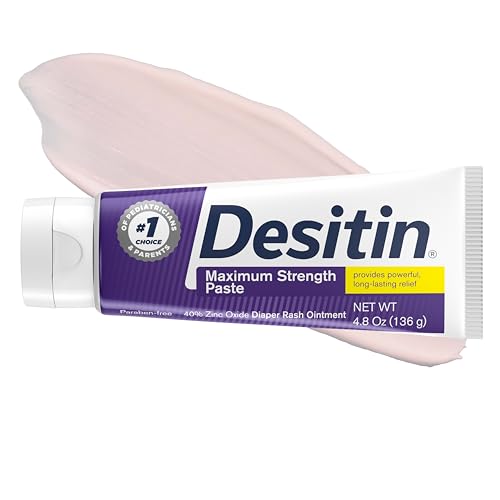
Desitin Maximum Strength Diaper Rash Paste, 40% Zinc Oxide, 4.8 oz | Helps Treat, Relieve & Prevent Diaper Rash, 40% Zinc Oxide, Immediate Relief, Protects up to 12 Hours, Hypoallergenic

Boudreaux’s Butt Paste Maximum Strength Diaper Rash Cream, 4 Oz | Diaper Cream for Baby, Ointment With Zinc Oxide, Fast Relief, Overnight Protection, Moderate to Irritated Diaper Rash

Medline Remedy Essentials Zinc Oxide Skin Protectant Paste (4 oz Tube), Unscented, Barrier, Incontinence Cream, Diaper Rash, Adults, Elderly, Hypoallergenic, Paraben Free

Welmedix Adult Diaper Rash Cream - Maximum Strength Zinc Oxide Cream | Moisturizing Skin Barrier - Fragile Skin Protection Ointment - Diaper Rash Cream for Adults - 4oz Tube

Mustela-Baby Diaper Rash Cream 123 - Skin Protectant with Zinc Oxide - Fragrance Free & Paraben Free - with 98% Natural Ingredients - 3.8 Oz, White

Welmedix Adult Diaper Rash Cream - Maximum Strength Zinc Oxide Cream | Moisturizing Skin Barrier - Fragile Skin Protection Ointment - Diaper Rash Cream for Adults - 4oz Tubes, Pack of 3
