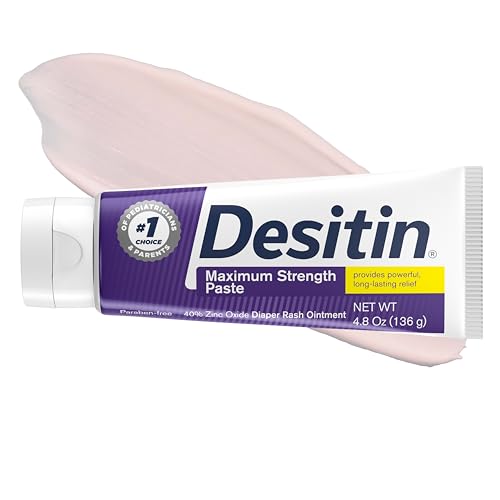
🛡️ The Ultimate Guide to Diaper Rash Cream for Newborns — Newborn skin is delicate, and diaper rash is one of the most common concerns for new parents. Finding the right zinc oxide barrier cream can soothe irritation, prevent future flare-ups, and keep your baby comfortable. In this guide, we break down the best diaper rash creams, what to look for, and how to apply them correctly.
Understanding Diaper Rash in Newborns
Diaper rash is a form of contact dermatitis that appears as red, inflamed skin in the diaper area. It's caused by prolonged exposure to moisture, friction, and irritants from urine and stool. Newborns are especially vulnerable because their skin barrier is still developing.
Using a high-quality diaper rash cream with zinc oxide creates a protective barrier that shields the skin from moisture while allowing it to heal. Many pediatricians recommend creams with at least 10–20% zinc oxide for their anti-inflammatory and skin-protective properties.
If your baby's rash is severe, persists for more than a few days, or shows signs of infection (blisters, pus, fever), consult your pediatrician immediately. For mild to moderate cases, the right over-the-counter barrier cream is often the first line of defense.
Want to learn more about overall baby care and diaper choices? We have comprehensive guides to help you navigate every stage.
How to Choose the Best Diaper Rash Cream for Your Newborn
Not all diaper creams are created equal. When selecting a product for your newborn, consider these key factors:
- Zinc Oxide Concentration: Look for 10%–20% zinc oxide for effective protection and healing. Higher concentrations provide a stronger barrier.
- Hypoallergenic & Fragrance-Free: Newborns have sensitive skin. Avoid creams with added fragrances, dyes, parabens, or phthalates.
- Texture & Spreadability: A thick, paste-like cream stays in place better than a thin lotion. It should form a visible white layer after application.
- Natural Soothers: Ingredients like calendula, shea butter, or aloe vera can provide additional comfort and moisture.
💡 Pro Tip: Always apply a generous layer of cream – you should barely be able to see the skin underneath. This ensures maximum protection against moisture and friction. Reapply with every diaper change, especially during nighttime or if your baby has frequent bowel movements.
For additional guidance on barrier cream for diaper rash and diaper rash barrier cream, explore our dedicated articles.
Top Diaper Rash Creams for Newborns – At a Glance
We've compared some of the most trusted diaper rash creams on the market. All are formulated with safe, effective ingredients and have a track record of soothing delicate newborn skin.
| Product | Zinc Oxide % | Key Features | Price (approx.) |
|---|---|---|---|
| Desitin Maximum Strength | 40% | Extra strength, hypoallergenic, fragrance-free | $5–$8 |
| Boudreaux's Butt Paste | 16% | Contains castor oil & shea butter, pleasant scent | $5–$7 |
| Aquaphor Baby Diaper Rash Cream | 15% | With panthenol & bisabolol, soothes and protects | $8–$10 |
| Triple Paste | 12.8% | Lanolin & oat extract, gentle for sensitive skin | $10–$14 |
| Honest Company Diaper Rash Cream | 14% | Plant-based, no parabens, with shea butter | $7–$9 |
For the most up-to-date pricing and availability, check the latest offers on our buying guides page. You can also explore our baby registry resources for more newborn essentials.
Step-by-Step Guide: Applying Diaper Rash Cream
- Clean the area: Gently wipe the diaper area with a soft, damp cloth or fragrance-free wipe. Pat dry with a clean towel – do not rub.
- Let the skin breathe: If possible, allow a few minutes of diaper-free time to let the skin air out completely.
- Apply a thick layer: Squeeze a generous amount of cream (about the size of a nickel or more) and spread it evenly over the affected area. The layer should be opaque and thick enough to form a barrier.
- Cover the entire area: Make sure to cover the buttocks, thigh creases, and any red spots. Do not rub it in completely – a visible layer is what protects.
- Put on a fresh diaper: Fasten a clean, dry diaper over the cream. Repeat this process at every diaper change, especially after bowel movements.
🧴 Prevention is key: Even if the rash has cleared, continue using the cream for a few days to prevent recurrence. Many parents incorporate a barrier cream into their routine at night or when they know their baby will be in a diaper for longer periods.
Natural Alternatives and Home Care Tips
Some parents prefer natural remedies alongside or instead of commercial creams. While zinc oxide remains the most studied and proven active ingredient, these complementary approaches can help:
- Coconut oil: Its antimicrobial properties can soothe mild irritation. Use as a thin layer under the barrier cream.
- Breast milk baths: A few drops of breast milk in a lukewarm bath can help calm inflamed skin.
- Oatmeal soaks: Colloidal oatmeal is naturally anti-inflammatory and can be added to bathwater.
- Frequent diaper changes: The simplest prevention – change diapers every 2–3 hours, even if they're not fully soaked.
For more insights on baby care and diapers, visit our comprehensive baby care section. We also have guides on newborn sleep and feeding schedules to support your overall parenting journey.
When to Consult a Pediatrician
Although most diaper rashes respond well to over-the-counter creams and home care, certain signs require medical attention:
- Rash does not improve after 3–4 days of treatment.
- Blisters, boils, or open sores appear.
- Redness spreads to the abdomen, back, or thighs.
- Baby has a fever, seems lethargic, or is in obvious pain.
- Persistent diarrhea or very frequent bowel movements.
Your pediatrician may recommend a prescription-strength cream, an antifungal if a yeast infection is suspected, or antibiotics if a bacterial infection is present. Always trust your gut – if something feels off, reach out to your healthcare provider.
Remember, taking care of your baby's skin is part of overall parenting and development. Our parenting books and mom groups resources can also provide support and community.
Final Thoughts: Protecting Your Newborn's Delicate Skin
Choosing the right diaper rash cream for your newborn doesn't have to be overwhelming. Look for a zinc oxide–based barrier cream with a high concentration, a simple ingredient list, and a texture that stays in place. Apply it generously at every diaper change, and you'll significantly reduce the risk of painful rashes.
Every baby's skin is unique, so it may take a little trial and error to find the perfect product. Start with a trusted brand like Desitin, Boudreaux's, or Aquaphor, and adjust based on your baby's response. Pair your cream choice with frequent diaper changes, gentle cleansing, and plenty of diaper-free time.
We hope this guide has empowered you to make a confident decision. For more essential baby products, visit our baby gear and baby registry pages. And remember, you're doing a great job – parenting is a journey, and we're here to help every step of the way.