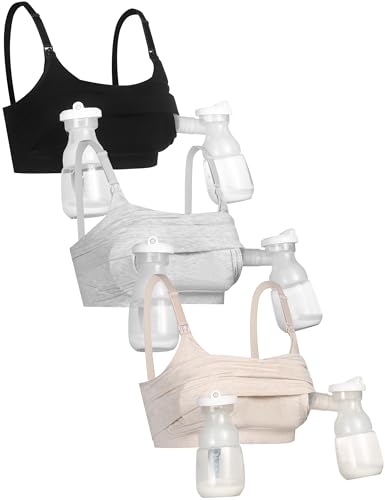
Hands Free Pumping Bra: The Complete Buying Guide for Nursing Moms
Pumping shouldn't tie you down. Learn how a hands free pumping bra frees your hands, improves milk output, and makes every pumping session more productive and comfortable.
Why this guide matters: If you are researching a hands free pumping bra, you already know you want to pump without holding flanges for twenty minutes at a time. This guide walks you through how these bras work, the features that actually matter, fit and sizing considerations, and how to compare entry-level, mid-range, and premium options so you can choose confidently.
What Is a Hands Free Pumping Bra and Why Do You Need One?
A hands free pumping bra is a specialty nursing bra engineered with openings, layered panels, or stretch slots that hold breast pump flanges firmly in place against your breasts. Instead of sitting hunched over, manually pressing two shields for the entire session, you simply insert the flanges, connect your pump, and let the bra do the holding. The result is a genuinely hands-free pumping session where you can read, answer emails, eat a snack, or comfort a fussy baby.
For mothers who pump regularly — whether returning to work, building a freezer stash, or managing supply — the difference between holding flanges and using a dedicated pumping bra is significant. Proper flange alignment reduces nipple discomfort, supports better milk drainage, and makes double pumping far more practical. Many moms pair a pumping bra with a double electric breast pump to maximize efficiency during each session.
A hands free pumping bra is not the same as a standard nursing bra. Nursing bras use drop-down cups for direct breastfeeding, while pumping bras are built around flange support. Some hybrid designs combine both functions, allowing you to nurse and pump without changing bras — a feature worth considering if you alternate between the two throughout the day.
How a Hands Free Pumping Bra Works
Most pumping bras use one of three mechanisms to secure flanges:
- Layered panel openings: An outer layer lifts or unclips, and an inner panel with fitted slits holds the flange snugly against the breast. This is the most common and reliable design.
- Stretch slot design: A seamless stretchy band with reinforced openings that grip the flange. These tend to be comfortable and easy to use but may offer less rigid support for heavier pump setups.
- Convertible clip system: Removable straps or clips transform a nursing bra into a pumping bra, giving you two functions in one garment.
Regardless of mechanism, the goal is the same: keep the flange centered over the nipple with a gentle seal so suction is maintained and milk flows efficiently. A well-designed bra holds the flange without pinching, slipping, or requiring constant adjustment mid-session.
Key Features to Look for in a Hands Free Pumping Bra
Not all pumping bras are created equal. When comparing options, focus on these characteristics:
1. Flange Compatibility
Check that the bra's openings accommodate the flange size and brand you use. Most standard flanges are 24mm or 27mm, but some moms use larger sizes. A bra with slightly stretchy openings fits a wider range of flange diameters, while rigid openings may only accept specific sizes. If you use a wearable pump, confirm the bra supports that pump's specific cup design.
2. Adjustability and Support
Look for adjustable straps, a hook-and-eye back closure, and a band that stays put without digging in. Breast size fluctuates throughout the day and across the breastfeeding journey, so adjustability keeps the bra comfortable and functional over months of use. A supportive underband is especially important for larger cup sizes.
3. Fabric and Breathability
Pumping sessions can be warm, and postpartum skin is often sensitive. Breathable, moisture-wicking fabrics with soft seams reduce irritation. Cotton blends feel gentle, while technical fabrics dry faster. Avoid rough elastics or scratchy lace near the flange openings.
4. Ease of Use
You will be putting this bra on and taking it off multiple times a day, sometimes one-handed while holding a baby. Look for secure clips, smooth zippers, or pull-on designs that are quick to operate. Openings should be easy to locate by feel so you can insert flanges without looking in a mirror.
5. Versatility
Some moms prefer a dedicated pumping bra worn only during sessions, while others want a hybrid that doubles as a nursing bra or even an everyday bra. Hybrid designs save time and reduce wardrobe changes, but dedicated pumping bras often provide firmer flange support. Consider your daily routine before deciding.
Comparing Hands Free Pumping Bras by Tier
To help you navigate the market without focusing on numbers, here is how pumping bras generally differ across quality tiers. Use these descriptors as a relative guide, not an absolute ranking.
| Tier | Best For | Typical Characteristics |
|---|---|---|
| Entry-Level | Occasional pumpers, trying out hands-free pumping | Simple layered openings, basic stretch fabric, fewer size options, limited adjustability. Solid choice for the tier if pumping is infrequent. |
| Mid-Range | Regular pumpers, working moms, daily use | Better fabric blends, reinforced flange slots, adjustable straps and back closure, hybrid nursing-pumping designs. Well-specified for the category. |
| Premium | Frequent pumpers, exclusive pumpers, larger cup sizes | Premium materials, seamless construction, superior flange grip, extended size range, thoughtful details like moisture-wicking panels and reinforced stitching. Long-term investment for heavy use. |
| Luxury | Moms prioritizing comfort and design | High-end fabrics, elegant finishes, ergonomic engineering, often designed with input from lactation consultants. Feature-rich for its class. |
Practical tip: Many moms find that a mid-range bra offers the best balance of support, durability, and versatility for daily pumping. If you pump exclusively or have a larger cup size, a premium tier bra is often a worthwhile investment because the reinforced flange support and extended sizing make long sessions far more comfortable.
Getting the Right Fit: Sizing and Comfort Tips
Fit is the single biggest factor in whether a hands free pumping bra works well for you. A bra that is too loose lets flanges shift and breaks suction; one that is too tight restricts milk flow and causes discomfort.
How to Measure
- Measure your underbust snugly, directly beneath the breasts, while exhaling normally.
- Measure the fullest part of your bust, usually across the nipple line, while wearing a non-padded bra or no bra.
- Subtract the underbust measurement from the bust measurement to determine your cup size, then match both measurements to the brand's size chart.
- Re-measure around six weeks postpartum and again if your supply changes significantly, since breast size often shifts.
Fit Checks
- The band should sit flat against your ribcage without riding up when you raise your arms.
- Flange openings should align with your nipples without pulling or gaping.
- No red marks, pinching, or numbness after a pumping session.
- You should be able to insert flanges easily and feel them held securely without manual support.
If you are between sizes, size up in the band and rely on adjustable straps for support. For nursing moms who also need nipple protection between sessions, consider pairing your pumping routine with breast nipple covers for breastfeeding to reduce friction and leakage.
Benefits of Using a Hands Free Pumping Bra
- True multitasking: Free both hands to work, read, eat, or care for your baby during sessions.
- Better milk output: Stable flange alignment supports efficient drainage and can improve yield, especially during double pumping.
- Reduced discomfort: Proper positioning prevents nipple friction and strain on wrists and shoulders from holding flanges.
- More consistent sessions: Easier setup means you are more likely to stick to a pumping schedule, which helps maintain supply.
- Workplace-friendly: Faster, more discreet sessions make pumping at work far more manageable.
Common Mistakes to Avoid
- Wearing the wrong size: A loose band causes flange slippage; an overly tight band restricts flow. Always measure and consult size charts.
- Ignoring flange size: The bra opening is not the same as flange size. Confirm your flange diameter with a lactation consultant if unsure.
- Using a nursing bra as a pumping bra: Standard nursing bras do not hold flanges; attempting to improvise often leads to poor suction and frustration.
- Skipping the fit check: Test the bra with your pump before relying on it for a full session, especially before returning to work.
- Overlooking fabric care: Follow washing instructions to preserve elasticity and flange grip — heat can degrade stretch fibers.
Frequently Asked Questions
Can I sleep in a hands free pumping bra?
Some soft, wire-free pumping bras are comfortable enough for overnight wear, but it is generally better to use a dedicated sleep bra and switch to a pumping bra only for sessions. Prolonged compression can affect comfort and circulation.
How many pumping bras do I need?
Most regular pumpers find two to three bras practical — one to wear, one in the wash, and one as backup. Exclusive pumpers often keep three to four to reduce laundry frequency.
Do hands free pumping bras work with wearable pumps?
Many do, but compatibility varies. Check that the bra's openings or cup design accommodate the specific wearable pump you use. Some wearable pumps include their own bra-compatible housing, so confirm before purchasing.
Can I use a pumping bra while nursing directly?
Dedicated pumping bras are designed for flange support, not direct nursing. Hybrid bras with drop-down cups let you do both. If you alternate frequently, a hybrid design saves time and wardrobe changes.
How do I clean a hands free pumping bra?
Most are machine washable on a gentle cycle in a mesh laundry bag. Avoid fabric softener, which can coat stretch fibers, and air dry to preserve elasticity and flange grip.
Ready to make pumping easier? A hands free pumping bra is one of the most practical additions to a pumping routine. Use the tier guide and fit tips above to narrow your options, then explore the recommended products below to find a bra that matches your pumping frequency and comfort needs.