Children's Wooden Table and Chairs: Complete Buying Guide
Everything you need to know before choosing a wooden table and chair set for your child — sizing, safety, materials, and setup tips for a space that grows with them.
Why this guide matters: A children's wooden table and chairs set is one of the most used pieces of furniture in a home with young kids. It becomes a craft station, a snack spot, a puzzle corner, and a homework desk — often all in the same day. Because it sits at the center of so many daily routines, choosing the right set deserves more thought than a quick glance at a product listing. This guide walks you through the decisions that actually matter: sizing, wood type, safety features, chair count, and room placement.
Why Choose a Wooden Table and Chair Set
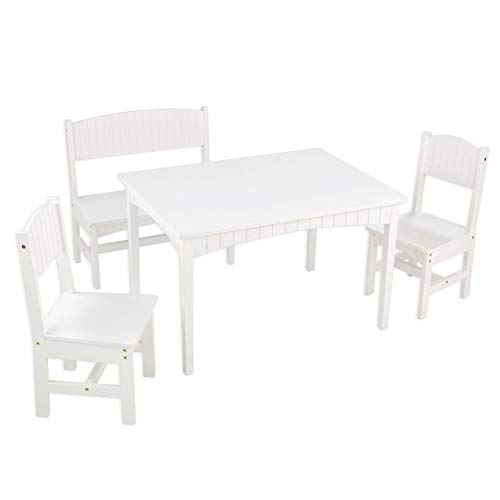
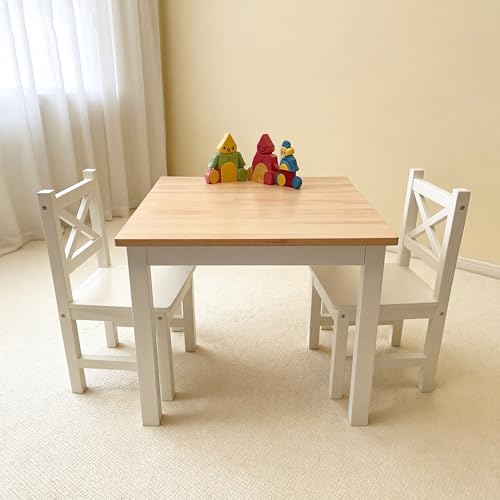
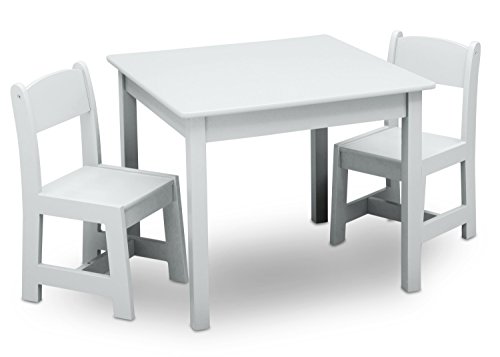
Wooden children's furniture has a distinct advantage over plastic alternatives: it feels solid, holds its shape over years of use, and visually blends into living spaces rather than looking like a temporary plaything. Parents researching this category often compare wooden sets against plastic table and chairs, and the trade-offs are worth understanding before you commit.
Wooden sets generally offer:
- Durability: Solid hardwood construction resists wobbling and joint loosening far better than hollow plastic legs.
- Stability: A heavier wooden base stays put when a child leans on the edge or climbs onto a chair.
- Repairability: Scratches can often be sanded and refinished, extending the set's usable life.
- Aesthetic longevity: Neutral wood tones suit nurseries, playrooms, and living areas alike, so the set does not need to be hidden away.
The main trade-off is weight — a solid wooden set is harder to move from room to room than a lightweight plastic one. If portability matters to you, a folding table and chairs set or a wooden folding variant may suit your routine better.
Getting the Sizing Right
Sizing is the single most important factor in whether a set actually gets used. A table that is too tall forces children to strain their shoulders; a table that is too short causes hunched posture and tipped chairs. The correct fit follows a simple rule: when seated, your child's feet should rest flat on the floor, knees bent at roughly a 90-degree angle, and elbows should rest comfortably on the tabletop without shrugging.
| Child's Age Range | Typical Table Height | Typical Seat Height | Best For |
|---|---|---|---|
| 18 months – 3 years | Lower profile | Low, close to floor | First art table, snack time, floor-level play |
| 3 – 5 years | Mid profile | Mid, standard preschool fit | Crafts, puzzles, pretend play, early meals |
| 5 – 8 years | Taller profile | Higher, near standard desk fit | Homework, drawing, board games, shared activities |
If you are buying for siblings of different ages, prioritize the older child's fit and add a cushion or booster for the younger one. Many families also choose an adjustable table and chairs set so the height can grow with the child. For a broader look at desk-style options, see our guide to a children's desk with chair.
Choosing the Right Wood
Not all wooden sets are built to the same standard. The wood species and joinery method determine how the set holds up under daily use by energetic children.
Hardwood vs. Softwood
- Hardwoods such as beech, maple, birch, and rubberwood resist dents and wear well. They hold screws and joints tightly and are the foundation of premium and top-tier sets.
- Softwoods such as pine are lighter and easier to move, but they dent more easily and may need occasional tightening. They are common in entry-level and mid-range sets.
Joinery and Construction
Look for sets that use screwed or bolted joints, dowels, or mortise-and-tenon construction rather than glued butt joints. Reinforced corner brackets under the tabletop are a sign of solid build quality. A set described as having "heavy-duty" or "commercial-grade" construction typically uses thicker legs and cross-bracing — worthwhile if the table will be shared by multiple children.
Finishes and Safety
The finish matters as much as the wood. Choose sets with water-based, non-toxic finishes and rounded edges. Avoid any set with a strong chemical odor out of the box. If the set is painted, confirm the paint is lead-free and specifically labeled as child-safe. For a broader look at how children's furniture fits into a room, our children's tables overview covers the full category.
How Many Chairs Do You Need?
The chair count shapes both the table's footprint and how the set is used. Here is how the common configurations compare:
| Configuration | Tier | Best For |
|---|---|---|
| Two-chair set | Essential tier | Single child, small bedrooms, reading corners |
| Four-chair set | Balanced tier | Siblings, playdates, family activity spaces |
| Set with storage | Top-tier | Craft supplies, art materials, small toys |
A wooden table with four chairs is the most versatile choice for families with more than one child, and it comfortably seats playdate guests. If space is tight, a table and chair set with storage lets the table double as an art station without cluttering the room. For families who want a larger shared surface, a rectangular table and chairs offers more room per child.
Safety Features to Check Before Buying
Wooden furniture is inherently stable, but not every set is designed with young children in mind. Run through this checklist before ordering:
- Rounded edges and corners: The tabletop and chair backs should have softened edges, not sharp 90-degree corners.
- Wide chair bases: Chairs with splayed legs or a wide footprint resist tipping when a child leans back or climbs up.
- No pinch points: Avoid folding mechanisms or exposed hinges on sets intended for toddlers. If you need a folding set, choose one with a locking mechanism.
- Non-toxic, child-safe finishes: Confirm the finish is water-based and labeled safe for children's furniture.
- Weight and tip resistance: A heavier table is harder to flip. Check that the set is proportioned so a child cannot easily tip the table by leaning on one edge.
- Hardware security: All bolts and screws should be recessed or covered, with no exposed sharp ends underneath the tabletop.
Once assembled, check the set for wobble and re-tighten hardware periodically — wooden joints can loosen slightly with seasonal humidity changes. For a broader safety perspective on children's furniture, see our wooden rocking chair guide, which covers stability and sizing principles that apply across the category.
Where to Place the Table and Chairs
Placement determines how often the set gets used. The best spots share three qualities: good light, low foot traffic, and a clear line of sight from where you usually sit.
- Near a window: Natural light makes drawing and puzzles more inviting, and reduces eye strain.
- In the playroom or a corner of the living room: Children use furniture more when it sits in the main flow of family life rather than in a separate room.
- Away from walkways: Chairs pulled out mid-activity need clearance so they do not become trip hazards.
- On a stable floor surface: A rug under the set protects hardwood floors and softens the noise of chairs being dragged.
If the table will double as a craft station, pair it with an activity table with storage so supplies have a home and the surface stays clear between projects. For a dedicated workspace, a desk with storage may eventually replace the table as your child grows.
Keeping the Set in Good Condition
A wooden set will pick up crayon marks, juice spills, and the occasional creative "artwork" on the tabletop. A few habits keep it looking good for years:
- Wipe spills promptly with a damp cloth and mild soap — avoid soaking the wood.
- Use a felt pad or placemat under heavy craft projects and modeling clay.
- Re-tighten screws and bolts every few months, especially on chairs.
- Apply a child-safe wood conditioner once or twice a year if the finish starts to look dry.
- Keep the set out of direct, prolonged sunlight to prevent uneven fading.
If the tabletop becomes scratched, light sanding and refinishing with a water-based child-safe finish can restore it. That repairability is one of the strongest arguments for choosing wood over plastic in the first place.
Frequently Asked Questions
What is the ideal height for a children's wooden table and chairs?
The table height should let your child's feet rest flat on the floor while seated, with knees bent at roughly a 90-degree angle. Chair seat height is typically about half the table height, and the chair back should reach shoulder level for proper support. Measure your child's current dining chair as a reference point before ordering.
Which wood type is best for a children's table and chairs set?
Hardwoods such as beech, maple, birch, and rubberwood offer the best durability and resistance to wear. Medium-density options like pine are lighter and work well for entry-level sets, while premium hardwood sets use solid joinery and reinforced construction for long-term use.
How many chairs should I choose for a children's wooden table?
A two-chair set works well for one or two children in a small room. Four-chair sets are better for siblings, playdates, and shared activity spaces. Consider the available floor area and how many children will realistically use the table at the same time.
Are wooden tables and chairs safe for toddlers?
Yes, when you choose a set with rounded edges, non-toxic finishes, stable wide bases, and age-appropriate sizing. Avoid sets with sharp corners, exposed hardware, or folding mechanisms that could pinch small fingers.
Can a wooden table and chairs set be used outdoors?
Only if the set is specifically finished with a weather-resistant coating. Standard indoor sets can warp or crack with moisture and sun exposure. For patio or garden use, a children's outdoor table and chairs set built for the elements is the better choice.
Ready to Choose Your Set?
Use the sizing, material, and safety guidance above to narrow your options — then explore curated wooden table and chair sets that match your child's age and your room's layout.
Explore Recommended Sets