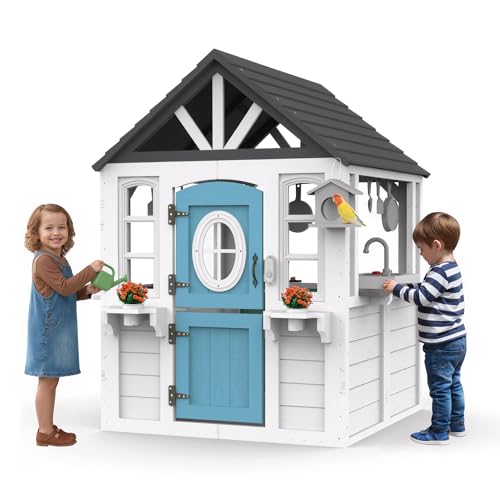
Children's Wooden Playhouse: The Complete Buying Guide
Everything parents need to know before choosing a wooden playhouse — materials, safety, design styles, placement, and long-term maintenance. Make a confident, informed decision for your backyard.
START YOUR RESEARCHWhy a wooden playhouse? A children's wooden playhouse is more than a toy — it is a dedicated space for imaginative play, physical activity, and outdoor discovery. Unlike plastic alternatives, timber playhouses offer natural aesthetics, superior durability, and the potential for years of backyard enjoyment. This guide walks you through every consideration, from wood species and safety standards to design tiers and placement, so you can choose with confidence.
Why Invest in a Wooden Playhouse?
Parents researching outdoor play equipment often wonder whether a wooden playhouse is a worthwhile addition to the backyard. The benefits extend well beyond entertainment:
Imaginative Play & Creativity
A dedicated playhouse becomes a castle, a shop, a secret hideout, or a home — fueling role-play and creative thinking that supports cognitive development.
Outdoor Physical Activity
Climbing, crawling, and moving in and out of a playhouse encourages gross motor skills and reduces sedentary screen time.
Natural Aesthetic
Wood blends beautifully into garden landscapes and can be painted or stained to match any backyard style, from rustic to modern.
Durability & Longevity
Quality timber structures withstand weather far better than many plastic alternatives and can be repaired, refinished, and passed down.
Social Development
Playhouses create a natural gathering point for siblings and friends, encouraging cooperative play and communication skills.
Backyard Value
A well-chosen wooden playhouse enhances the family-friendly appeal of an outdoor space and provides years of active use.
Types of Children's Wooden Playhouses
Wooden playhouses come in several configurations, each suited to different ages, yard sizes, and play styles. Understanding the tiers helps narrow down the right option:
Ground-Level Playhouse
A single-story structure at ground level with a door, windows, and sometimes a small porch. Ideal for toddlers and younger children. Simple to assemble and safe for early walkers. Often the entry-level choice for families new to outdoor play equipment.
Elevated Playhouse with Platform
Raised on a sturdy timber platform with a ladder or steps, often paired with a slide. Provides a sense of adventure for children aged 3 and up. Mid-range models typically include better hardware and sturdier framing than starter-tier options.
Playhouse with Veranda & Accessories
Features a covered porch, bench seating, functioning windows, and decorative elements like shutters or flower boxes. These premium models often use cedar or pressure-treated timber and are designed for long-term backyard installation.
Multi-Level Playhouse & Climbing Frame Combo
Combines a playhouse with climbing walls, swings, or a slide tower. These commercial-grade or professional-grade structures demand more space and careful installation but deliver the most comprehensive play experience for active families.
Key Factors to Consider Before Buying
When evaluating a children's wooden playhouse, focus on these critical areas to ensure a safe, durable, and enjoyable investment:
- Wood Species & Treatment Cedar and fir resist rot and insects naturally, making them top-tier choices for outdoor structures. Pine is a common mid-range material that performs well when properly treated. Look for pressure-treated timber or factory-applied weather-resistant coatings for maximum longevity. Avoid untreated softwoods that may degrade quickly in wet climates.
- Safety Standards & Hardware Check for rounded edges, splinter-free surfaces, and recessed or covered screws and bolts. Premium playhouses use galvanized or stainless steel hardware that resists rust. Ensure the structure meets relevant safety certifications for outdoor play equipment in your region.
- Age Appropriateness & Height Ground-level designs suit children aged 2 to 5, while elevated playhouses with ladders and slides are better for ages 3 to 10. Consider the platform height and whether the child can safely navigate steps or a climbing wall. A playhouse that is too advanced may pose fall risks for younger children.
- Footprint & Yard Space Measure your available backyard space before committing. Factor in clearance for doors, slides, and surrounding play area. Small yards benefit from compact ground-level designs, while larger gardens can accommodate multi-level structures with swings or climbing elements.
- Assembly & Installation Some playhouses arrive pre-assembled or in flat-pack kits with pre-drilled panels. Mid-range and high-end models often require professional installation or a confident DIY approach. Check whether the manufacturer provides clear instructions, labelled parts, and a reasonable assembly timeline.
- Weather Resistance & Maintenance A wooden playhouse needs a level foundation — timber frame, concrete slab, or ground anchors — to prevent water damage and settling. Plan for annual inspections and re-staining or re-treating every one to two years. Models with factory-finished coatings reduce upkeep in the first seasons.
- Design & Aesthetic Fit Choose a style that complements your home and garden: traditional cottage, modern minimal, cabin, or tower design. Paint or stain can be customized later, but structural choices like roof pitch, window placement, and veranda style are fixed. Consider whether the playhouse will be a visible focal point or tucked into a play zone.
Playhouse Tiers at a Glance
Use this comparison to match a playhouse tier to your family's needs and backyard setup:
| Tier | Best For | Typical Wood | Key Features | Maintenance Level |
|---|---|---|---|---|
| Essential Tier | Toddlers (2–5 years), small yards | Pine or fir | Ground-level, single room, basic door & windows | Regular treatment recommended |
| Mid-Tier | Children 3–7, active play | Pressure-treated pine or fir | Elevated platform, ladder, slide option | Annual inspection, periodic re-stain |
| High-End Tier | Families wanting long-term backyard feature | Cedar or premium treated timber | Veranda, bench, shutters, functioning windows | Low-to-moderate, factory coatings help |
| Flagship Tier | Large yards, multi-child families | Cedar or commercial-grade timber | Multi-level, climbing wall, swing set combo | Professional inspection advised |
⚠️ Safety Checklist for Wooden Playhouses
- Ensure all edges and corners are rounded or sanded smooth.
- Check that screws and bolts are recessed, capped, or covered.
- Verify the structure is anchored securely to the ground or a foundation.
- Confirm there are no gaps where small heads or limbs could become trapped.
- Inspect for splinters and re-sand or treat as needed.
- Place on level ground away from fences, trees, and overhead hazards.
- Supervise young children, especially on elevated platforms and slides.
- Review the manufacturer's age recommendation and weight limits.
Placement & Setup Tips
Where you place the playhouse matters as much as the model you choose. Consider these practical guidelines:
- Level Ground A flat, well-drained surface prevents water pooling and structural shifting. If your yard slopes, a timber base frame can create a level platform.
- Visibility from the House Position the playhouse where you can see it from a window or patio. This allows passive supervision while children play outdoors.
- Shade & Sun Exposure Partial shade protects children from intense midday sun and reduces UV stress on the timber. Avoid placing the playhouse under trees that drop sap or heavy branches.
- Clearance for Play Leave at least a few feet of open space around the playhouse for doors to swing, slides to exit, and children to move freely. Consider the trajectory of swings or climbing elements if included.
- Access to Water & Garden Tools If the playhouse doubles as a garden-themed play area, proximity to a water source can be useful. Keep hazardous tools and chemicals stored separately and out of reach.
Long-Term Care & Maintenance
A wooden playhouse is a long-term investment in your child's outdoor play. Protect it with a simple maintenance routine:
- Annual Inspection Check for loose screws, cracked boards, splinters, and signs of rot or insect damage. Tighten hardware and replace damaged components promptly.
- Cleaning Remove leaves and debris from the roof and corners. Wash surfaces with mild soap and water, and allow to dry fully before applying treatments.
- Re-Treatment Re-apply a child-safe wood stain or sealant every one to two years, depending on climate and exposure. This protects against moisture, UV fading, and seasonal wear.
- Winter Preparation In harsh climates, clear snow from the roof and check the foundation for frost heave. Some families cover or partially disassemble lightweight playhouses for winter storage.
Frequently Asked Questions
What age is a children's wooden playhouse suitable for?
What type of wood is best for a children's playhouse?
Does a wooden playhouse need a foundation?
How much maintenance does a wooden playhouse require?
Can a wooden playhouse be painted or customized?
How do I choose the right size playhouse for my yard?
Ready to Find the Perfect Wooden Playhouse?
Explore our recommended selection of children's wooden playhouses — filtered for quality, safety, and backyard durability. Compare features and discover the right fit for your family.
VIEW RECOMMENDED PLAYHOUSESRelated guides: Explore our children's wooden playhouse overview, children's play tent comparison, indoor climbing structures, outdoor table and chairs, and wooden swing set buying guides to complete your backyard play area.