Children's Play Tents: The Complete Buying Guide
Discover the perfect play tent for your little one. From pop-up igloos to classic teepees — learn about safety, materials, sizes, and top features to make the best choice.
✨ Why a Play Tent? A children's play tent is more than just a toy — it's a magical space where imagination comes to life. Whether it's a reading nook, a secret fort, or a pretend castle, the right tent can provide hours of creative play and development.
Why Every Child Needs a Play Tent
Play tents are one of the most versatile and beloved pieces of children's furniture. They offer a dedicated space for independent play, helping children develop important cognitive and social skills. From building a cozy hideaway to creating a comfortable napping space, a play tent can serve many purposes in your home.
When choosing a play tent, you'll need to consider several factors: size, materials, ease of assembly, portability, and of course, safety. This guide will walk you through everything you need to know before making a purchase.
Types of Children's Play Tents
Play tents come in a variety of styles to suit different needs and preferences. Here's a breakdown of the most popular types available in the market:
🏕️ Pop-Up Tents
Instantly set up in seconds with collapsible frames. Great for quick indoor fun and storage. Perfect for toddlers and young children who want a portable play space.
🛖 Teepee Tents
Classic Native American-inspired design with wooden poles. Provides a cozy, private space for reading or quiet play. Typically made with cotton or polyester canvas.
🏰 Playhouses
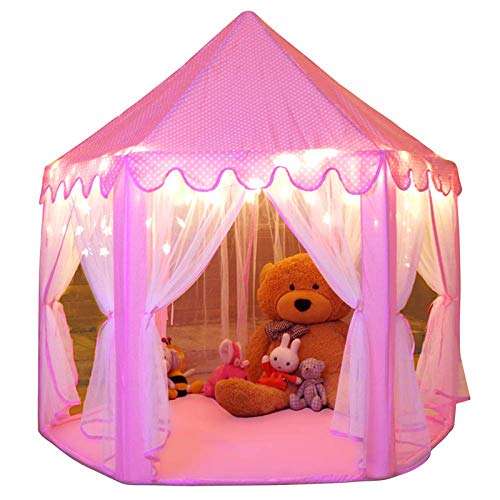
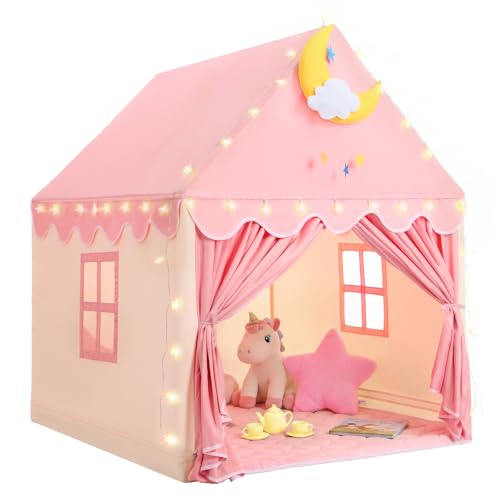
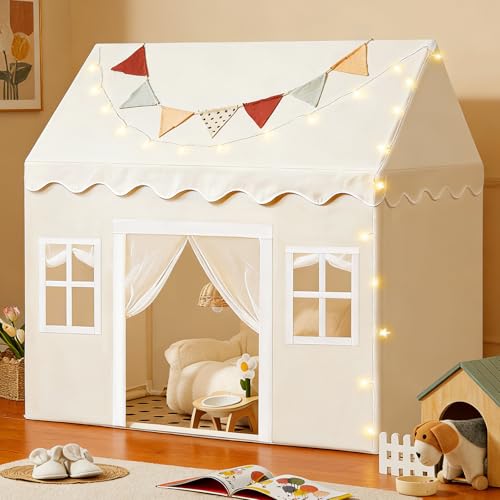
More structured and durable, often designed to look like a castle, cottage, or storefront. Some come with interactive elements like windows, doors, and flags.
🚗 Theme Tents
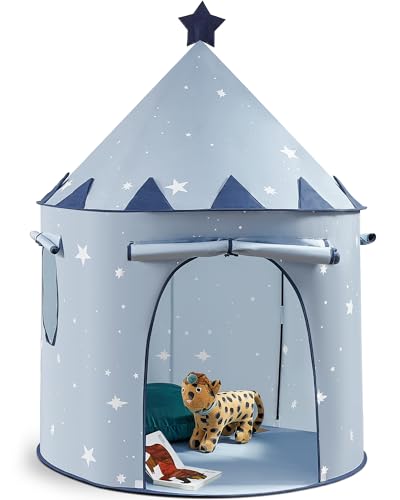
Specialty tents designed like vehicles (cars, buses, trains), castles, or jungle huts. Great for children with specific interests and perfect for themed bedrooms.
Play Tent Safety Guide
Safety is the number one priority when choosing a children's play tent. Here are the key safety features to look for:
- Stability: Look for a wide, sturdy base. For teepees, check that the poles securely lock and the fabric is taut. Some tents include weighted corners or sandbags for added stability, especially for outdoor use.
- Fire Safety: Always check for flame-retardant materials. Most modern play tents are made from compliant fabrics, but it's worth verifying.
- No Small Parts: Ensure there are no small, detachable pieces that could be a choking hazard for young children.
- Ventilation: Look for tents with breathable mesh windows or mesh panels to ensure proper airflow.
- Lead-Free Paint: If the tent has painted poles or designs, confirm they use non-toxic, lead-free paint.
For peace of mind, many parents pair their play tent with a soft bedding set or storage for soft toys to keep the space inviting and organized.
Materials Guide
The material of your play tent will determine its durability, ease of cleaning, and overall safety. Here's what you need to know:
| Material | Pros | Cons | Best For |
|---|---|---|---|
| Polyester | Lightweight, quick-drying, affordable, wrinkle-resistant | Can feel less breathable than cotton | Indoor and occasional outdoor use |
| Cotton Canvas | Breathable, durable, natural feel, beautiful aesthetic | Heavier, may shrink if washed, can fade | Permanent playrooms or nurseries |
| Nylon | Very lightweight, water-resistant, easy to fold | Less breathable, can be noisy | Outdoor play and travel |
| Wood (Poles) | Sturdy, classic look, durable | Heavier, can be pricey | Premium teepees |
| Fiberglass (Poles) | Lightweight, affordable, flexible | Less durable than wood, can splinter | Pop-up tents |
For a play kitchen or other accessories, you'll find similar material considerations apply.
Size Guide: Finding the Perfect Fit
Choosing the right size ensures your child can comfortably play in the tent. Consider the available space in your home and your child's age:
- Small (2-3 ft): Suitable for babies and toddlers. Great for a reading corner or a small play area.
- Medium (3-5 ft): Ideal for toddlers and preschoolers. Can accommodate multiple children for playdates.
- Large (5+ ft): Perfect for older children, allowing them to stand inside. Good for playrooms or outdoor use.
Consider whether you want the tent to double as a floor bed or a stroller for your child's favorite dolls. Many play tents are also designed to hold a toddler bed frame for a magical sleep space.
Price Range
Children's play tents are available in a wide range of prices. Here's what you can expect at different price points:
| Price Range | What You Get |
|---|---|
| Under $40 | Basic pop-up tents and simple teepees made from lightweight materials. Great for occasional use. |
| $40 – $100 | Mid-range tents with better materials, improved stability, and more design options. Often includes features like mesh windows or storage pockets. |
| $100 – $250 | Premium teepees, playhouses, and themed tents with durable construction, high-quality fabrics, and beautiful designs. |
| $250+ | Luxury playhouses and furniture-grade tents that can double as permanent room decor. Often made with solid wood frames and thick canvas. |
For a budget-friendly option, consider a sleeping bag or toy storage to complement your tent. If you're looking for a high-end option, you might want to explore nursery furniture that coordinates with your tent.
Expert Buying Tips
Before you make a purchase, keep these expert tips in mind to ensure you get the perfect play tent:
- Check the Assembly: Some tents are simple pop-ups, while others require assembly. If you're not handy, opt for a pop-up or easy-assembly design.
- Look for a Carrying Bag: A tent that can be folded and stored in a carrying bag is much more practical if you plan to move it around or store it when not in use.
- Consider Multi-Use: Some tents can be used as a sleeping bag alternative or a bed frame for sleepovers. Versatility is key.
- Read Reviews: Always check user reviews for durability and stability. Real-world feedback can save you from a frustrating experience.
- Think About Accessories: A play tent becomes more fun with accessories like storage for stuffed animals or a play kitchen next to it.
Maintenance & Care
To keep your children's play tent clean and safe for years to come, follow these care tips:
- Regular Cleaning: Wipe down the fabric with a damp cloth and mild soap. Most tents can be spot-cleaned, but always check the manufacturer's instructions.
- Air Drying: After cleaning, let the tent air dry completely before folding or storing to prevent mold and mildew.
- Storage: When not in use, store the tent in a cool, dry place. For pop-up tents, keep them in their carrying bag to prevent warping.
- Check for Wear and Tear: Periodically inspect the tent for any loose stitches or broken poles to ensure safety.
You can also extend the life of your tent by using a mattress or sleeping bag inside to reduce direct wear on the floor fabric.
Frequently Asked Questions
- What age is appropriate for a play tent? Most play tents are suitable for children aged 2-8 years, but always check the manufacturer's age recommendations.
- Can a play tent be used outdoors? Some play tents are designed for outdoor use. Look for materials like nylon or waterproof-treated polyester for outdoor durability.
- Is a play tent safe for toddlers? Yes, as long as it meets safety standards, has a stable base, and is free from small detachable parts.
- How do I clean a play tent? Most play tents can be spot-cleaned with a damp cloth and mild soap. Always check the care label.
- Can multiple children play inside? Yes, many tents are large enough to fit 2-3 children. Check the size specifications before purchasing.
Final Thoughts: Is a Play Tent Right for Your Child?
A children's play tent is an investment in your child's creativity, development, and happiness. Whether you choose a simple pop-up tent for occasional play or a beautifully designed teepee for a permanent nursery feature, the right tent can become a cherished part of your child's childhood.
Remember, the best play tent is one that matches your child's interests, fits your space, and meets your safety standards. With the information in this guide, you're well-equipped to make the right choice. For more tips on preparing your child's space, check out our guides on nursery furniture and mattresses for toddlers.