Mother’s Milk: The Ultimate Guide to Breastfeeding & Pumping
Everything you need to know about breastfeeding, pumping, milk storage, and nutrition. Empower your journey with expert tips and trusted product recommendations.
Shop Recommended ProductsMother’s milk is nature’s perfect food for your baby, offering tailored nutrition, antibodies, and a unique bond. Whether you're a first-time mom or experienced parent, understanding the ins and outs of breastfeeding and pumping can make all the difference. This guide covers breastfeeding tips, pumping essentials, milk storage, nutrition for nursing moms, and common challenges — so you can feed your baby with confidence.
Breastfeeding Basics: Getting Started
Latch & Position
A good latch is key to pain-free feeding and adequate milk transfer. Try the cradle hold, cross-cradle, or football hold to find what works best. Ensure your baby's mouth covers both the nipple and areola, with lips flanged outward.
If you're experiencing discomfort, consider using nursing pads for comfort and to manage leaks.
Feeding Frequency & Cues
Newborns typically feed 8–12 times per day. Watch for early hunger cues: rooting, sucking on hands, or smacking lips. Crying is a late sign. Feeding on demand helps establish a robust milk supply and ensures your baby gets enough breast milk.
Pumping & Milk Storage: Maximize Your Supply
Choosing a Breast Pump
Whether you need a hospital-grade double electric pump for frequent pumping or a manual pump for occasional use, the right choice depends on your lifestyle. Consider top-rated breast pumps that offer efficiency, comfort, and portability.
- Electric pumps: Fast, efficient, ideal for working moms.
- Manual pumps: Quiet, affordable, great for travel.
- Wearable pumps: Hands-free, discreet, but often pricier.
Safe Milk Storage
Proper storage preserves the quality of breast milk. Use BPA-free storage bags or containers. Label with date and time.
- Room temperature: Up to 4 hours.
- Refrigerator: Up to 4 days.
- Freezer: 6–12 months (deep freezer).
Always thaw in the refrigerator or warm water — never microwave.
Nutrition for Nursing Moms: Fuel Your Milk
What you eat directly affects your mother's milk quality. Aim for a balanced diet rich in:
- Protein: Lean meats, eggs, legumes, tofu.
- Healthy fats: Avocado, nuts, seeds, olive oil.
- Complex carbs: Whole grains, oats, sweet potatoes.
- Calcium & Vitamin D: Dairy, fortified plant milks, supplements.
- Hydration: Drink at least 2.5–3 liters of water daily.
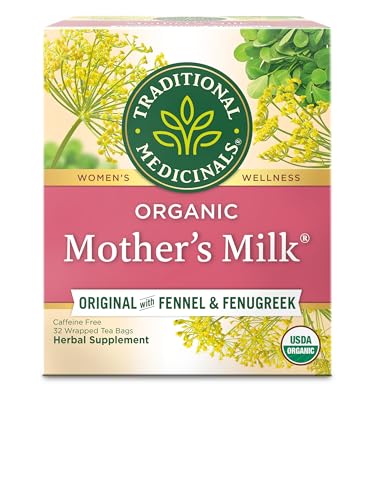
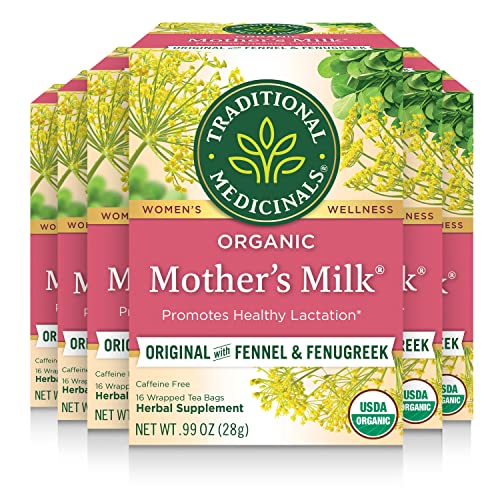
Lactation-promoting foods like oatmeal, fenugreek, and brewer's yeast may help boost supply. Stay consistent with your prenatal vitamin.
Common Challenges & How to Overcome Them
Low Milk Supply
If you’re concerned about supply, try frequent nursing, power pumping, and skin-to-skin. Consider using hospital-grade breast pumps to stimulate production. Consult a lactation consultant for personalized advice.
Engorgement & Clogged Ducts
Engorgement can be painful. Feed frequently, apply warm compresses before feeding, and cold packs after. Massage the breast toward the nipple. If you notice a red, painful lump, it may be a clogged duct — continue feeding on that side and seek help if it persists.
Sore Nipples
Soreness is often due to a poor latch. Adjust positioning, use lanolin cream or gel pads for relief. Allow nipples to air dry after feeding. If pain continues, check for tongue-tie or consult a specialist.
Returning to Work
Plan ahead: invest in a good pump, build a freezer stash, and communicate with your employer about pumping breaks. Many moms find a wearable pump convenient for office or travel. Practice pumping at home to get comfortable.
Expert Tips for Maximizing Milk Production
- ✓ Nurse or pump frequently — at least 8 times in 24 hours.
- ✓ Empty breasts fully each session to signal more production.
- ✓ Practice skin-to-skin to boost oxytocin and milk flow.
- ✓ Get enough rest & manage stress — cortisol can reduce supply.
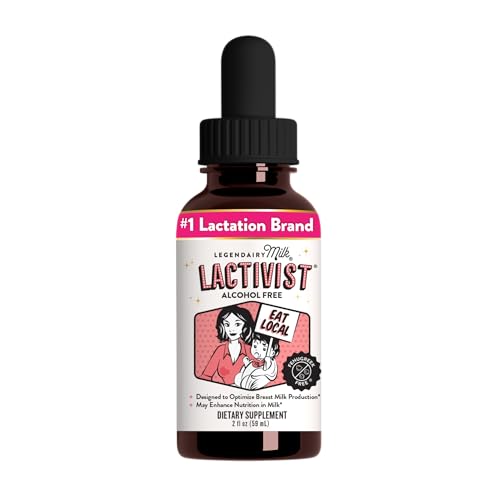
- ✓ Consider galactagogues (e.g., fenugreek, blessed thistle) after consulting your doctor.
- ✓ Hydrate well and eat nutrient-dense foods.
Frequently Asked Questions About Mother’s Milk
Does my milk supply decrease as my baby grows?
Your supply adjusts to your baby's needs. It may seem like supply drops during growth spurts, but frequent feeding will increase production within a few days.
Can I take medications while breastfeeding?
Most medications are safe, but always check with your doctor or use resources like LactMed. Avoid herbal supplements without professional advice.
How do I know if my baby is getting enough milk?
Adequate wet diapers (6–8 per day), steady weight gain, and contentment after feeding are good indicators. Your pediatrician will track growth.
Can I mix breast milk and formula?
Yes, but prepare formula separately and then combine. Never mix powder directly into breast milk. Follow safe handling guidelines.
Ready to equip your breastfeeding journey?
Explore our top-rated breast pumps, nursing pads, milk storage bags, and lactation supplements — all handpicked for quality and safety.
Browse Mother’s Milk Essentials →