
Booster Car Seat Buying Guide
Learn everything you need to know about booster seats: types, safety, weight limits, and how to choose the perfect one for your child.
SHOP TOP BOOSTER SEATSWhy trust this guide? We've analyzed safety standards, real-world crash test data, and user reviews to bring you the most comprehensive booster car seat resource. Whether you're transitioning from a harnessed car seat or buying your first booster, we'll help you make a confident choice.
What Is a Booster Car Seat?
A booster car seat is designed for children who have outgrown their forward-facing car seats with a harness but are still too small to use the vehicle's seat belt alone. It positions the child so that the lap and shoulder belts fit properly across the strongest parts of their body — the hips and chest — reducing the risk of injury in a crash.
Most children need a booster seat from around age 4 until they are at least 4 feet 9 inches tall and between 8 and 12 years old. Using a booster seat can reduce the risk of injury by 45% compared to using a seat belt alone.
For younger children, a car seat for a 3-year-old is still the safest option, but as they grow, a booster becomes the next step. Always check your state laws, as many require booster seats until age 8 or a certain height.
Types of Booster Car Seats
High-Back Booster
Provides head and neck support, especially important in vehicles without headrests or with low seat backs. Offers better side-impact protection and helps position the seat belt correctly.
Best for: Vehicles without headrests, children who sleep in the car.
Backless Booster
Raises the child so the lap belt sits low across the hips. Lightweight and easy to move between vehicles. Requires a vehicle headrest behind the child.
Best for: Older children, carpooling, travel, and vehicles with high seat backs.
Combination (Harness-to-Booster)
Can be used with a 5-point harness for younger children and then converts to a booster. Offers versatility and extended use.
Best for: Parents who want a single seat that grows with the child.
All-in-One (3-in-1)
Rear-facing, forward-facing with harness, and booster modes. Maximum longevity, but often bulky and heavier.
Best for: Families who want one seat from birth to booster.
When to Transition to a Booster Seat
Knowing when to move your child to a booster seat is critical for safety. The American Academy of Pediatrics (AAP) recommends keeping children in a harnessed car seat for as long as possible. Most children can remain in a 5-point harness until they reach the seat's height or weight limit (often 40-65 lbs).
Key indicators that your child is ready for a booster seat include:
- They have outgrown the forward-facing car seat's harness (by weight or height).
- They can sit properly for the entire trip (no slouching, leaning, or playing with the belt).
- They are at least 4 years old (though age is less important than maturity and size).
- The vehicle seat belt fits correctly: lap belt low on the hips, shoulder belt across the center of the chest and shoulder.
If your child is still under 40 lbs or shows signs of not sitting still, it's safer to keep them in a booster seat age appropriate harnessed seat. Always prioritize the seat's limits over convenience.
Key Safety Features
- Side-Impact Protection: Look for deep head wings and energy-absorbing foam.
- LATCH System: Some boosters use LATCH to keep the seat stable when unoccupied (reducing projectile risk).
- Belt Positioning Guides: Ensure the lap and shoulder belt guides are easy to use and adjust.
- Adjustable Headrest: Accommodates growing children and provides proper belt routing.
- Rigid or Flexible LATCH Connectors: Easier to install securely.
- Recline Feature: Helps keep the child comfortable, especially when sleeping.
- Steel or Reinforced Frame: Adds structural integrity and durability.
- Easy-to-Clean Fabrics: Machine-washable covers are a lifesaver.
For families who travel frequently, a travel car seat might be a convenient option, but always ensure it meets safety standards.
Booster Seat vs. Car Seat: What's the Difference?
While both are child restraints, the key difference is how they protect the child. A forward-facing car seat uses a 5-point harness to distribute crash forces across the strongest parts of the child's body. A booster seat, on the other hand, uses the vehicle's seat belt as the primary restraint, positioning it correctly to protect the child.
Think of a booster as a "positioning device" — it lifts the child so that the adult seat belt fits properly. This is crucial because an improperly positioned seat belt can cause internal injuries in a crash.
If you're unsure about the transition, consult a certified Child Passenger Safety Technician (CPST) in your area. Many fire stations and hospitals offer free car seat checks.
Top Booster Car Seat Picks (2026)
After extensive research, including safety ratings, crash test performance, user reviews, and ease of use, here are our top recommendations. Prices are current as of August 2026.
| Model | Type | Weight Range | Price |
|---|---|---|---|
| Graco Highback TurboBooster 2.0 | High-Back | 40-100 lbs | $120 |
| Britax Skyline 2-Stage | High-Back / Backless | 40-120 lbs | $250 |
| Chicco GoFit Plus | Backless | 40-110 lbs | $80 |
| Diono Cambria 2 | High-Back | 40-120 lbs | $200 |
| Evenflo Big Kid Highback | High-Back | 40-110 lbs | $90 |
| Graco Affix Highback | High-Back | 40-100 lbs | $160 |
* Prices are estimates and may vary by retailer. Always verify current pricing before purchase.
How to Install a Booster Car Seat
Installing a booster seat is generally simpler than a car seat because you don't need to route a harness. However, proper installation is still critical for safety.
- Read the Manual: Always start with the booster seat and vehicle owner's manuals.
- Position the Booster: Place it on the vehicle seat, flat and stable.
- Secure the Child: Have the child sit with their back flat against the booster's back.
- Route the Seat Belt: Lap belt should be low across the hips (not the stomach). Shoulder belt should go across the center of the chest and shoulder (not the neck).
- Check the Fit: The seat belt should be snug and not twisted. The child should be able to sit with their knees bent at the edge of the seat.
- Use LATCH if Available: Many boosters have LATCH connectors to keep them from becoming projectiles when the child is not in the seat.
For additional protection, consider a nursing pillow for comfort during long trips, but never use it as a substitute for proper positioning.
Common Booster Seat Mistakes to Avoid
- Transitioning Too Early: Moving a child to a booster before they outgrow their harnessed seat reduces safety.
- Lap Belt Too High: The lap belt must sit on the hips, not the abdomen.
- Shoulder Belt Behind the Back: This is dangerous — the shoulder belt must be across the chest.
- Using a Backless Booster Without a Headrest: Always ensure the vehicle has a headrest for backless boosters.
- Not Using LATCH: Unoccupied boosters can become projectiles in a crash.
- Buying a Used Booster: Never use a booster that has been in a crash, is expired, or has missing parts.
If you're looking for a budget-friendly option, check out our guide on free baby stuff for car seat trade-in events.
Booster Car Seat FAQs
What is the height and weight limit for a booster seat?
Most booster seats accommodate children from 40 to 100-120 lbs and up to 57-63 inches tall. Always check the specific seat's limits.
Can my child use a booster seat without a back?
Yes, if the vehicle has a headrest and the child meets the weight and height requirements. High-back boosters offer better side-impact protection.
How do I clean my booster seat?
Most covers are machine-washable on a gentle cycle. Refer to the manual for specific instructions. Always air dry to avoid shrinking.
Is it safe to use a booster seat on an airplane?
Booster seats are not approved for use on airplanes because they do not have a harness and are not designed for aircraft seat belts. Use a car seat with a 5-point harness for air travel.
Final Thoughts: Choosing the Right Booster
Selecting the right booster car seat is a significant decision that impacts your child's safety every time you drive. Take your time, consider your vehicle's layout, your child's size and maturity, and your lifestyle. A high-back booster offers maximum protection, while a backless booster provides convenience for older children.
Remember, the safest booster seat is the one that fits your child, fits your vehicle, and is used correctly every time. Don't hesitate to consult resources like the National Highway Traffic Safety Administration (NHTSA) or a local CPST for guidance.
For additional parenting resources, explore our guides on baby essentials and newborn clothes to complete your child's safety and comfort setup.
Top-Rated Booster Car Seats
⚠️ AFFILIATE DISCLOSURE: This website contains affiliate links. As an Amazon Associate, we earn from qualifying purchases. If you make a purchase through these links, we may receive a small commission at no additional cost to you. Read our full affiliate policy.

Graco TurboBooster 2.0 Backless Booster Car Seat, Denton
Check price on Amazon
Graco TurboBooster 2.0 Backless Booster Car Seat, Trisha, Travel Booster Seat for Children Ages 4-10, Weight 40-100 Pounds and Height up to 57 Inches
Check price on Amazon
Graco TurboBooster 2.0 Highback & Backless Booster Car Seat, Declan
Check price on Amazon
Cosco Topside Backless Booster Car Seat, Lightweight Booster Seats for Cars 40-100 lbs, Backless Booster Seat for Car, Rainbow
Check price on Amazon
Diono Solana, No Latch, Pack of 2 Backless Booster Car Seats, Lightweight, Machine Washable Covers, Cup Holders, Blue
Check price on Amazon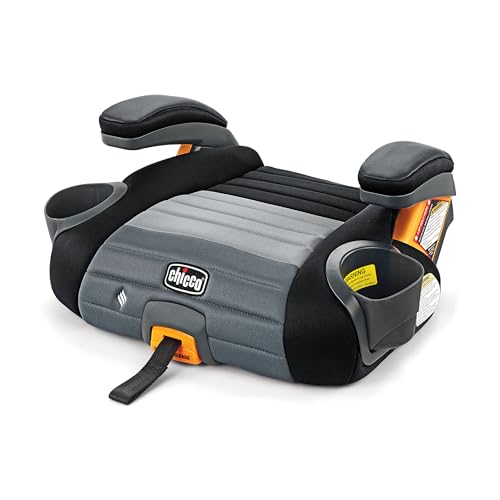
Chicco GoFit ClearTex Plus Backless Booster Seat, Lower Anchor Attachment
Check price on Amazon
Diono Solana 2 XL 2022, Dual Latch Connectors, Lightweight Backless Belt-Positioning Car, 8 Years 1 Booster Seat, Black
Check price on Amazon