Booster Seat Age Guide: When & How to Transition
Understand the right age, height, and weight for a booster seat. Ensure your child's safety with expert-backed guidelines and top product picks.
SHOP BOOSTER SEATSChoosing the right time to move your child from a forward-facing car seat to a booster seat is one of the most important safety decisions you'll make as a parent. The booster seat age isn't just about a number — it's about your child's size, maturity, and readiness. This guide covers everything from legal requirements to practical tips, so you can transition with confidence.
What Is a Booster Seat?
A booster seat is a child restraint designed to elevate your child so that the vehicle's seat belt fits properly across their body. Unlike car seats, boosters don't have their own harness system. Instead, they position the lap and shoulder belts correctly over the strongest parts of the child's body — the hips and chest.
Boosters are essential for children who have outgrown their forward-facing car seats but are still too small to use the adult seat belt safely. Using a booster reduces the risk of serious injury by up to 45% compared to a seat belt alone, according to the National Highway Traffic Safety Administration (NHTSA).
Booster Seat Age, Height & Weight Requirements
While age is a key factor, the most important criteria are your child's height and weight. Most experts recommend using a booster seat until your child reaches 4 feet 9 inches (145 cm) tall and is between 8 and 12 years old. However, every child develops differently. Below are general guidelines:
📋 Key Requirements for Booster Seat Use
- Age: Typically 4+ years, but maturity and size matter more.
- Height: At least 35 inches (89 cm) — but ideally 4'9" (145 cm).
- Weight: Minimum 30–40 lbs (13.6–18 kg), depending on the booster model.
- Maturity: Your child must sit upright and not slouch or play with the belt.
For a detailed breakdown by state or country, consult your local traffic safety authority. Many states have laws requiring booster seats for children under 8 years old or under 4'9".
Booster Seat Readiness Checklist
| Criteria | When to Use a Booster |
|---|---|
| Age | 4–12 years (maturity-dependent) |
| Height | Minimum 35″ (89 cm), ideally 4′9″ (145 cm) |
| Weight | 30–40 lbs (13.6–18 kg) minimum |
| Seat Belt Fit | Lap belt low across hips; shoulder belt across chest (not neck) |
When to Switch from Car Seat to Booster
Transitioning too early can be dangerous. Your child should remain in a forward-facing car seat with a 5-point harness until they exceed the seat's height or weight limits — typically around 40–65 lbs (18–29 kg). Once they outgrow it, it's time to consider a booster seat.
For many children, this happens between ages 4 and 7. However, keep them in a car seat as long as possible — it offers better protection. If you're unsure, check the manufacturer's limits on your current car seat.
Need more guidance on car seat stages? Read our comprehensive guide on car seats for 3-year-olds and learn about swivel car seats for easier access. For travel, consider a travel car seat that's lightweight and portable.
Types of Booster Seats
There are two main types of booster seats: high-back boosters and backless boosters. Each has its advantages depending on your vehicle and your child's needs.
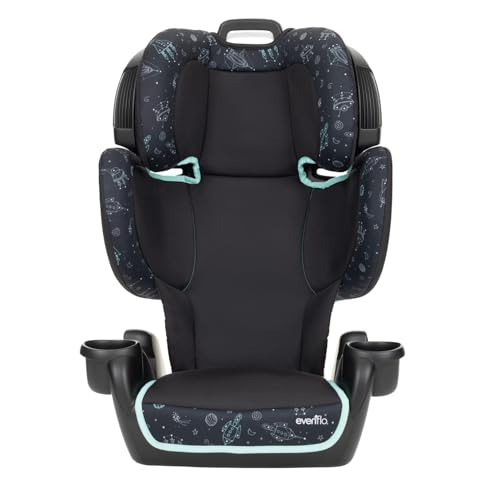
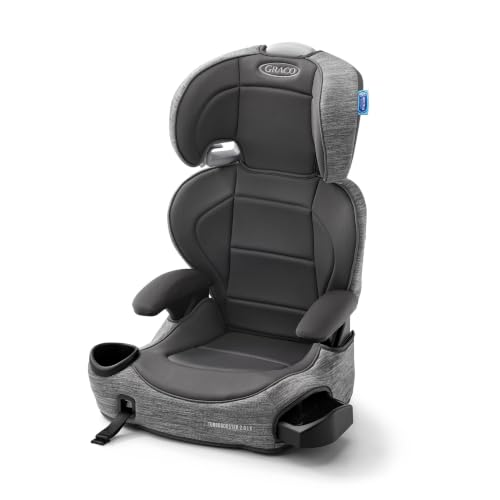
- High-Back Booster: Provides head and neck support, especially useful in vehicles without headrests or with low seat backs. Offers side-impact protection and helps position the shoulder belt correctly.
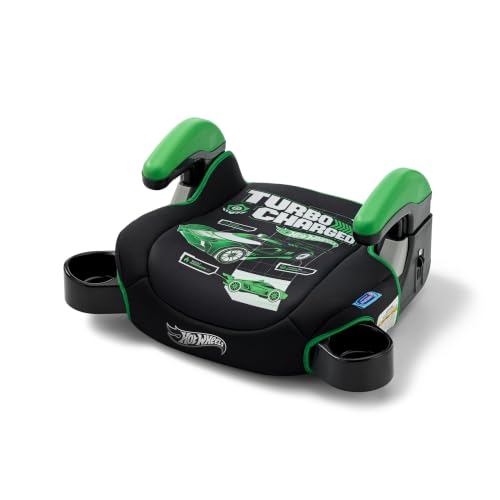
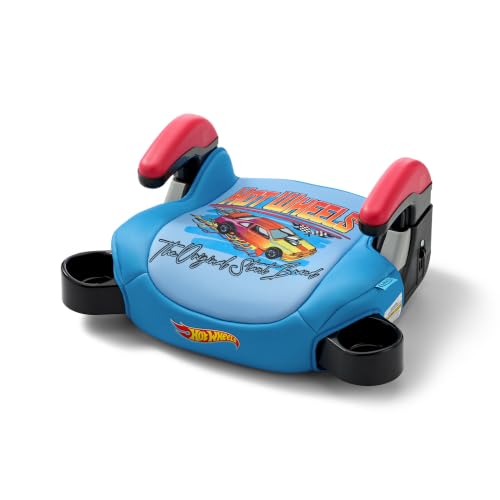
- Backless Booster: Compact and easy to move between vehicles. Ideal for older children who are tall enough to have the shoulder belt fit properly without additional head support. Often cheaper and lighter.
If you frequently switch cars, a backless booster may be more convenient. For primary vehicles, a high-back booster offers extra safety and comfort.
Booster Seat Installation & Safety Tips
Proper installation is critical. Unlike car seats, most boosters do not use the LATCH system (though some models do). Instead, you rely on the vehicle's seat belt. Follow these tips:
- Read the manual: Always follow the booster and vehicle owner's manuals.
- Secure the booster: Place the booster flat on the vehicle seat. Some models have clips to secure them when not in use.
- Belt positioning: The lap belt should lie flat across the upper thighs, not the stomach. The shoulder belt should cross the center of the shoulder and chest, away from the neck.
- No bulky clothing: Avoid thick coats or blankets that can create slack in the belt.
- Check regularly: Ensure the belt stays tight and the booster doesn't slide around.
For more on child passenger safety, see our articles on baby car seats and infant daycare safety practices.
Booster Seat Laws in the U.S.
All 50 states have laws regarding child passenger safety. While specifics vary, most require children under 8 years old or under 4'9" (145 cm) to be in a booster seat. Some states also have age or weight minimums. Always check your state's DMV website for the latest regulations.
Even if your child meets the legal minimum, it's safest to keep them in a booster until they properly fit the adult seat belt — usually around age 10–12.
Signs Your Child Is Ready to Stop Using a Booster
Your child is ready to ride without a booster when they can answer "yes" to all of the following:
- They sit all the way back against the vehicle seat.
- Their knees bend comfortably at the edge of the seat.
- The shoulder belt crosses the middle of their chest and shoulder, not the neck or face.
- The lap belt lies across the upper thighs, not the stomach.
- They can maintain this position for the entire ride.
Most children reach this milestone between ages 8 and 12. Rushing this transition can expose them to serious injury in a crash.
Common Mistakes with Booster Seats
- Switching too early: Moving to a booster before the child outgrows the car seat increases risk.
- Using a booster without a headrest: A high-back booster is required if the vehicle lacks a headrest.
- Improper belt routing: Always route the belt according to the booster manual.
- Allowing slouching or leaning: The belt must stay in the correct position at all times.
- Ignoring weight limits: Check the booster's maximum weight; most are designed for up to 100–120 lbs (45–54 kg).
To avoid these pitfalls, read our detailed booster car seat comparison and reviews.
Traveling with a Booster Seat
Booster seats are much easier to travel with than full car seats. Backless boosters are especially portable and can fit in overhead bins on planes (check airline policies). For rental cars, always book a car with appropriate seat belts and bring your own booster to ensure safety and hygiene.
Consider a travel stroller and portable playard for a complete travel setup with your child.
Choosing the Right Booster Seat for Your Child
The best booster seat is one that fits your child's size, your vehicle, and your lifestyle. Always prioritize safety over convenience. Check the booster's expiration date (usually 6–10 years from manufacture) and never buy a used seat unless you know its full history.
Related: free baby stuff | baby essentials | nursing chairs | bottle warmers | baby play mats