Baby Sling Buying Guide
Find the perfect baby sling or carrier for you and your little one. Learn about types, safety, and what to look for.
Explore TypesWhy Choose a Baby Sling? Babywearing offers countless benefits: it soothes fussy babies, promotes bonding, keeps your hands free, and supports your baby's physical and emotional development. A quality sling or carrier can be one of the most valuable baby items you'll ever own.
Congratulations on expecting a new addition to your family — or perhaps you're a new parent looking for a baby sling to make life easier. Babywearing has been practiced for centuries across cultures worldwide, and modern baby slings and carriers offer incredible convenience and comfort for both parent and child. But with so many options on the market, how do you choose the right one?
In this comprehensive baby sling buying guide, we'll walk you through everything you need to know — from the different types of slings and carriers, to safety standards, pricing, and our top recommendations. By the end, you'll feel confident selecting the perfect carrier for your lifestyle and your baby's needs.
Types of Baby Slings & Carriers
Baby slings and carriers come in several distinct styles. Each has its pros and cons, so understanding the differences is essential.
1. Ring Slings
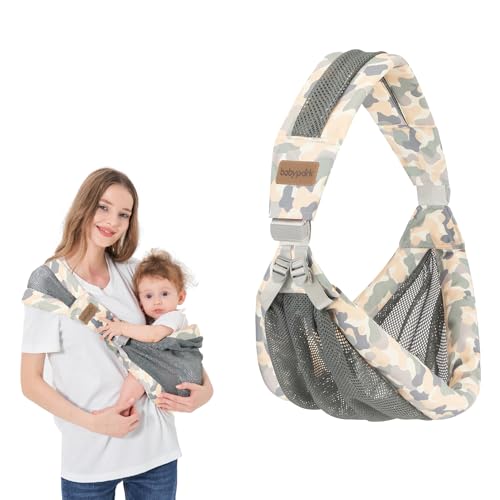
A ring sling is a length of fabric with two rings sewn into one end. You thread the fabric through the rings to create a pouch and adjust the fit by pulling the tail. Ring slings are versatile, quick to put on, and ideal for newborns up to toddlers (most support up to 35 lbs). They're great for breastfeeding and can be used by multiple caregivers once the rings are adjusted.
2. Stretchy Wraps
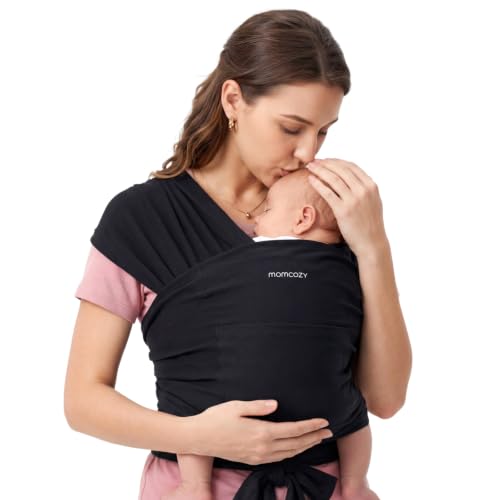
Made from soft, knit fabric (usually cotton or a blend), stretchy wraps are long pieces of fabric that you wrap around your body and tie. They're incredibly cozy for newborns and mimic the feeling of being in the womb. However, they have a weight limit (around 25 lbs) and can be tricky to master in the beginning.
3. Woven Wraps
Woven wraps are similar to stretchy wraps but made from woven fabric with no stretch. They offer more support and can hold babies up to 45 lbs or more. They are extremely versatile because you can use different wrapping carries. However, they have a steeper learning curve.
4. Soft Structured Carriers (SSCs)
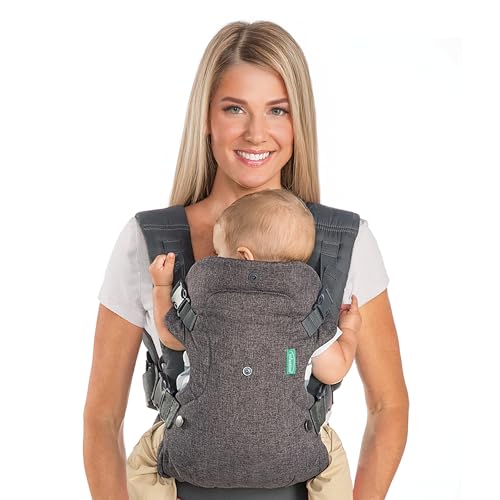
Soft structured carriers, like the popular baby carrier brands, have a padded waistband, shoulder straps, and buckles. They are the easiest to put on and offer excellent back support. Many are ergonomic and support your baby's hips in the "M" position. Most SSCs are adjustable for different caregivers.
5. Mei Dais
A Mei Dai (or Mei Tai) is a hybrid between a wrap and a structured carrier. It has a flat panel for the baby's body and straps that tie around the waist and over the shoulders. It offers more structure than a wrap but is more comfortable to tie than a buckle carrier. The fit is highly customizable.
Comparison of Baby Sling Types
Use this quick-reference table to compare key features at a glance.
| Type | Weight Range | Learning Curve | Best For | Price Range |
|---|---|---|---|---|
| Ring Sling | Newborn–35 lbs | Easy | Newborns, quick ups, breastfeeding | $40–$150 |
| Stretchy Wrap | Newborn–25 lbs | Moderate | Newborns, early months, cozy at-home wear | $30–$80 |
| Woven Wrap | Newborn–45+ lbs | High | All ages, multi-purpose, hiking | $70–$200+ |
| Soft Structured Carrier | Newborn–45 lbs | Easy | Quick, all-purpose, travel, hiking | $100–$250+ |
| Mei Dai | Newborn–40 lbs | Moderate | Custom fit, comfortable for extended wear | $60–$150 |
Key Factors to Consider When Choosing a Baby Sling
Your Baby's Age and Weight
If you're shopping for a newborn, consider a stretchy wrap or a ring sling — both cradle newborns gently and support their delicate spine. For a toddler, a woven wrap or a structured carrier with a higher weight capacity might be more appropriate.
Your Comfort and Body Type
Soft structured carriers with padded waistbands offer excellent lumbar support, making them great for parents with back pain. If you're plus-size or have a larger bust, look for carriers with adjustable straps and extenders. Ring slings and wraps are one-size-fits-most and allow for a custom fit.
Ease of Use and Learning Curve
If you want a simple, intuitive system, a structured carrier or ring sling is ideal. If you're open to learning new techniques, a woven wrap can be incredibly rewarding. Consider how often you plan to wear your baby — if you'll be putting the carrier on multiple times per day, ease is important.
Fabric and Breathability
Look for breathable fabrics like 100% cotton, bamboo, or linen. For hot climates, a wrap or sling made from thinner, lightweight materials like cotton gauze or linen is a must. In colder weather, heavier fabrics like wool or denim may be preferred.
Safety and Ergonomic Design
Look for carriers that support your baby's hips in the "M" position (knees higher than bottom) to promote healthy hip development. Avoid narrow-based carriers that dangle the legs straight down. Check for the safe sleep 7 guidelines if you plan to breastfeed in the sling — always keep your baby's airway clear.
All baby carriers should be certified to meet safety standards (e.g., ASTM in the US). Always read the manufacturer's guidelines and never use a sling that feels flimsy or poorly stitched.
How to Use a Baby Sling Safely
Babywearing is generally safe when done correctly. Follow the TICKS acronym: Tight, In view at all times, Close enough to kiss, Keep chin off the chest, and Supported back. Your baby's head should be close enough to kiss, and their face should always be visible.
- Check the weight limit: Always follow the manufacturer's weight guidelines for your specific sling or carrier.
- Inspect for wear: Before each use, check the fabric and rings for any wear or damage. A single broken ring or frayed edge can be dangerous.
- Keep airways clear: Ensure your baby's nose and mouth are uncovered and not pressed against your chest or the fabric. The chin should be off the chest.
- Adjust for both wearers: If you share the sling with a partner, be sure to adjust the rings or straps to fit each person securely.
Our Top Baby Sling Recommendations
After extensive research and user feedback, we've compiled a list of standout baby slings and carriers. Keep in mind that the best sling is the one that fits you and your baby comfortably. We recommend trying a few styles to see what feels right.
- For Newborns: A stretchy wrap (like the ones from Solly Baby or Boba) offers a cozy hug and is perfect for the first 3–6 months.
- For Quick Errands & Breastfeeding: A ring sling (like Wildbird or Sakura Bloom) is fast and discreet — ideal for shopping trips and nursing on the go.
- For Hiking & Travel: A soft structured carrier with lumbar support (like Ergobaby Omni 360 or Tula) is comfortable for long days out. For older babies, consider a baby walker for when they're not being carried.
- For a Budget-Friendly Option: A Mei Dai or a used woven wrap can be affordable and highly versatile.
Pricing Guide
Baby slings and carriers range widely in price depending on the type, fabric, and brand.
- Basic ring slings and stretchy wraps: $30–$80.
- Mid-range structured carriers and Mei Dais: $80–$150.
- Premium structured carriers and woven wraps: $150–$250+.
We recommend checking our product recommendations below for current prices and customer reviews from Amazon.
Final Thoughts
Choosing the right baby sling or carrier is a personal decision influenced by your lifestyle, body type, and baby's temperament. We hope this guide has clarified your options and given you confidence to make a great choice. Remember that babywearing is a journey — don't be afraid to try a few different styles until you find the one that feels like a second skin.
If you're still undecided, we recommend reading user reviews, watching tutorial videos, or even visiting a local babywearing group to test different carriers. Happy babywearing!
Related Resources
Explore our other guides to complete your baby gear setup: